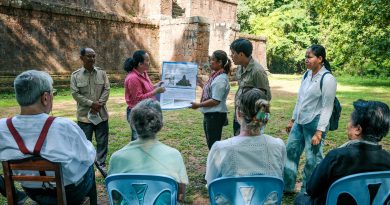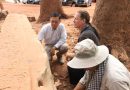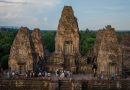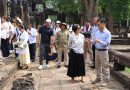
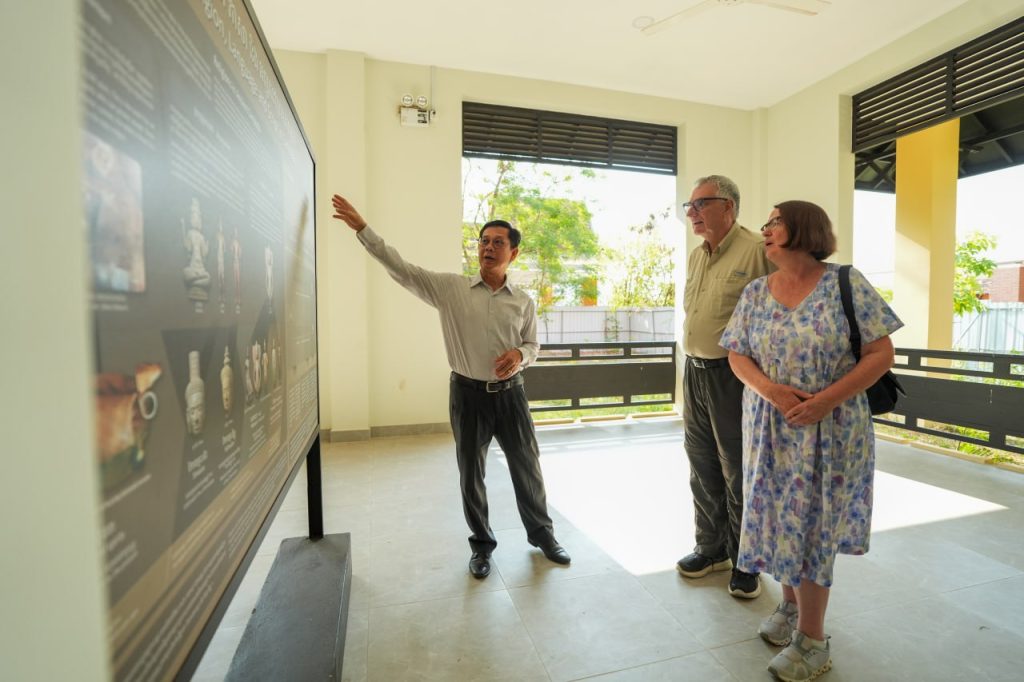
នាថ្ងៃទី២២ ខែមេសា ឆ្នាំ២០២៦ ឯកឧត្តមបណ្ឌិត ហង់ ពៅ អគ្គនាយកអាជ្ញាធរជាតិអប្សរា និងឯកឧត្តម KING JONATHAN DALE ឯកអគ្គរាជទូតនៃប្រទេសនូវែលហ្សេឡង់ប្រចាំព្រះរាជាណាចក្រកម្ពុជា បានអញ្ជើញចុះពិនិត្យវឌ្ឍនភាពនៃគម្រោងគ្រប់គ្រងទឹកអង្គរប្រកបដោយប្រសិទ្ធភាព និងចីរភាព ដើម្បីភាពធន់នឹងការប្រែប្រួលអាកាសធាតុ និងសង្គមសេដ្ឋកិច្ច ឬ Angkor Water Resilience Project (AWR) នៅតាមទីតាំងមួយចំនួនដូចជា អគារមជ្ឈមណ្ឌលបកស្រាយព័ត៌មានអង្គរ ស្ថានីយបណ្តុះកូនឈើស្ពានអង្គរ កសិករគំរូនៅភូមិត្រពាំងស្វាយ និងភូមិសណ្តាន់ និងហេដ្ឋារចនាសម្ព័ន្ធធារាសាស្រ្តនៃទំនប់បុរាណនៅខាងជើងក្រុងអង្គរផងដែរ។
សូមរំលឹកជូនផងដែរថា គម្រោង AWR នេះ ទទួលបានជំនួយឧបត្ថម្ភពីក្រសួងការបរទេស និងពាណិជ្ជកម្ម (MFAT)នៃប្រទេសនូវែលហ្សេឡង់ សម្រាប់រយៈពេល៥ឆ្នាំ ចាប់ផ្តើមពីឆ្នាំ២០២៣ ដល់ឆ្នាំ២០២៨ ដោយផ្តោតទៅលើសកម្មភាពការងារសំខាន់ៗចំនួន៥រួមមាន៖១)ការងារស្តារហេដ្ឋារចនាសម្ព័ន្ធធារាសាស្រ្តបុរាណ
២)ការងារបណ្តុះបណ្តាលចំណេះដឹងបេតិកភណ្ឌតាមសាលារៀន
៣)ការងារបណ្តុះបណ្តាលចំណេះដឹងតាមវត្ដអារាម
៤)ការងារកសិកម្មលក្ខណៈគ្រួសារ និងដំណាំកេរដំណែល
និងទី៥)ស្ថានីយបណ្តុះកូនឈើ និងផលិតជីកំប៉ុស្ត៕យ
រូបភាព៖លោក ភោគ ជា
អត្ថបទ៖ ការិយាល័យផ្សព្វផ្សាយ
រូបភាព៖ រដ្ឋ ផល្លីន
On April 22, 2026, H.E. Dr. Hang Peou, Director General of the APSARA National Authority, together with H.E. King Jonathan Dale, Ambassador of New Zealand to the Kingdom of Cambodia, conducted a field visit to review the progress of the Angkor Water Resilience Project (AWR).
The delegation visited several key sites involved in the project, including the Angkor Interpretation Center, the Angkor Bridge Tree Nursery, model farmer communities in Trapeang Svay and Sandan villages, and the irrigation infrastructure of an ancient dam located to the north of the Angkor area.
The AWR project is a collaborative initiative supported by New Zealand through its Ministry of Foreign Affairs and Trade (MFAT). The project spans five years, from 2023 to 2028, and focuses on strengthening water resilience and sustainable livelihoods while preserving Angkor’s cultural landscape.
The project is structured around five main components:
1) Restoration of ancient irrigation infrastructure
2) Heritage education programs in schools
3) Community awareness initiatives at pagodas
4) Support for family vegetable gardens and traditional farming practices
5) Development of tree nurseries and compost production
Through these integrated efforts, the AWR project aims to enhance water management, promote environmental sustainability, and improve the livelihoods of communities living within the Angkor region.
Article by the Office of Communication
Photos by Rath Phallin
Translation by Net Phirun