មន្ត្រីអាជ្ញាធរជាតិអប្សរា បានបង្ហាញក្តីបារម្ភថា សកម្មភាពលបលួចបរបាញ់ និងដាក់អន្ទាក់សត្វព្រៃ នៅក្នុងតំបន់រមណីយដ្ឋានអង្គរ នៅតែកើតមានតិចតួច បើទោះបីជាបច្ចុប្បន្នអាជ្ញាធរជាតិអប្សរា ខិតខំសហការជាមួយអង្គការគាំពារសត្វព្រៃកម្ពុជា ស្ថាប័នរដ្ឋបាលព្រៃឈើ និងនគរបាលការពារបេតិកភណ្ឌ តាមដាន និងថែរក្សា ការពារជាប្រចាំដោយយកចិត្តទុកដាក់យ៉ាងណាក្តី។
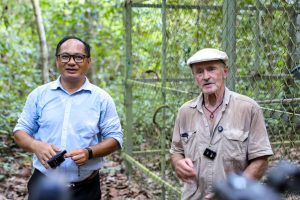
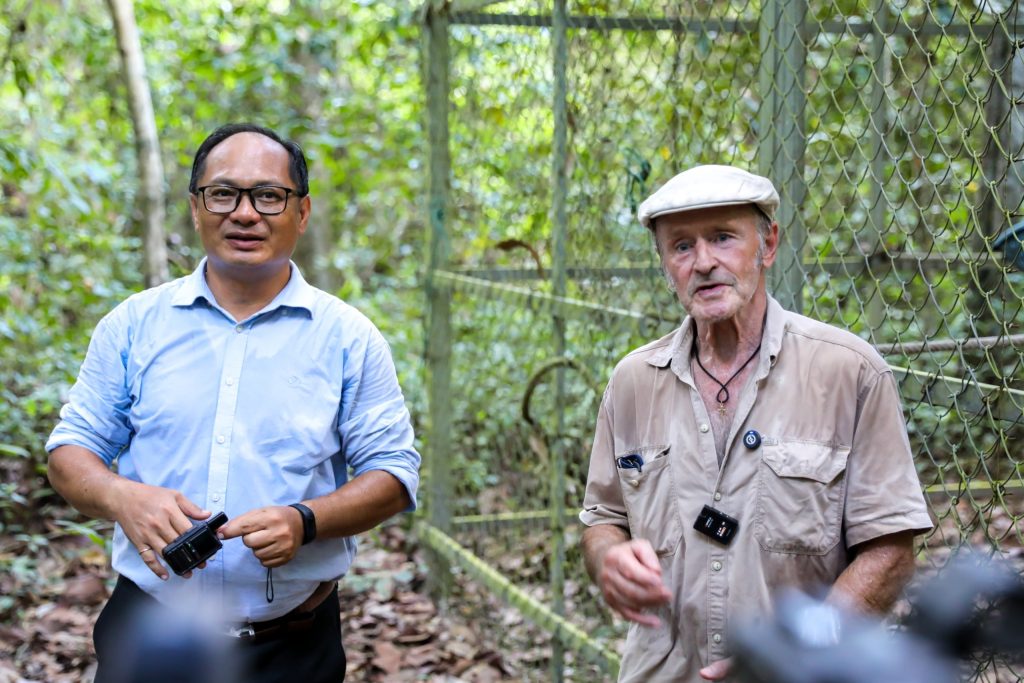
លោក ជូរ៉ា ឌីណា អនុប្រធាននាយកដ្ឋានគ្រប់គ្រងទឹក ព្រៃឈើនិងហេដ្ឋារចនាសម្ព័ន្ធ នៃអាជ្ញាធរជាតិអប្សរា បានបង្ហាញក្តីបារម្ភ នៅក្នុងឱកាសទទួលយកសត្វប្រមា២ក្បាល មកដោះលែងនៅក្នុងព្រៃតំបន់អង្គរ កាលពីថ្ងៃទី២៥ ខែឧសភា ឆ្នាំ២០២៦ថា លោកសូមឱ្យសហគមន៍ប្រជាពលរដ្ឋ ដែលរស់នៅជុំវិញតំបន់អង្គរ រួមគ្នាការពារសត្វព្រៃ កុំលួចដាក់អន្ទាក់ និងលួចបរបាញ់។ ការលើកឡើងពីកង្វល់នេះ ដោយសារតែបច្ចុប្បន្ន បើទោះបីជាអាជ្ញាធរជាតិអប្សរា បានសហការជាមួយស្ថាប័នចម្រុះជាច្រើន រួមគ្នាការពារសត្វព្រៃជាប្រចាំក្តី ក៏នៅតែមានសកម្មភាពមួយចំនួន លបលួចបរបាញ់ និងដាក់អន្ទាក់សម្លាប់សត្វព្រៃនៅឡើយ។
លោក ជូរ៉ា ឌីណា បញ្ជាក់ថា ការថែរក្សាសត្វព្រៃ គឺមានសារសំខាន់ខ្លាំងណាស់ សម្រាប់លើកតម្លៃសម្បត្តិបេតិកភណ្ឌធម្មជាតិ និងជីវចម្រុះក្នុងតំបន់អង្គរ ពោល គឺនៅពេលដែលអ្នកទេសចរមកទស្សនាអង្គរ គឺគេឃើញប្រាសាទបុរាណផង និងបានឃើញសត្វព្រៃ ដែលបង្ហាញពីភាពសម្បូរបែបនៃធម្មជាតិផង។
លោក Nick Marx អ្នកជំនាញរបស់អង្គការគាំពារសត្វព្រៃកម្ពុជា(CWC) និងជាទីប្រឹក្សាផ្នែកជីវចម្រុះរបស់អាជ្ញាធរជាតិអប្សរា ឱ្យដឹងថា សត្វព្រៃ មានតួនាទីយ៉ាងសំខាន់ក្នុងការនាំគ្រាប់ពូជនៃឈើនានា ឱ្យដុះក្លាយជាធម្មជាតិបៃតងដ៏សម្បូរបែបនៅក្នុងតំបន់អង្គរ ព្រមទាំងអាចទាក់ទាញអ្នកទេសចរជាច្រើន ឱ្យចាប់អារម្មណ៍ចំពោះធម្មជាតិផង។
លោក Nick Marx បញ្ជាក់ថា ក្នុងនាមអង្គការគាំពារសត្វព្រៃកម្ពុជា(CWC) លោកសូមអំពាវនាវដល់ពលរដ្ឋកម្ពុជាគ្រប់រូប សូមរួមគ្នាការពារសត្វព្រៃ និងព្រៃឈើនៅក្នុងតំបន់អង្គរ ឱ្យបានគង់វង្ស។ «សូមកុំឱ្យចំណីដល់សត្វព្រៃ និងកុំទៅរំខានសត្វព្រៃ ហើយសូមទុកឱ្យសត្វព្រៃទាំងនោះ បានរស់នៅក្នុងព្រៃធម្មជាតិ តាមទម្លាប់របស់ពួកវាដោយសុខសាន្ត»។ បច្ចុប្បន្ននេះ នៅក្នុងព្រៃតំបន់អង្គរ មានសត្វព្រៃចម្រុះ កំពុងរស់នៅជាច្រើនប្រភេទ ដូចជា សត្វទោចមកុដ (Pileated Gibbon)សត្វឈ្លូស (Red Muntjac)សត្វស្វាព្រាហ្មណ៍(Silvered Langurs)សំពោចក្រអូប (Common palm Civets)សត្វភេខ្លួនរលោង (Smooth-coated Otter)សត្វឆ្មាដាវ (Leopard Cat) សត្វកេងកងតូច (Oriental Pied Hornbill)សត្វកេងកងធំ (Great Hornbill)សត្វភូវាំង (Wreathed Hornbill)សត្វក្ងោក (Peafowl)សត្វអន្សង(Common Water Monitor)និងសត្វពង្រូល (Sunda Pangolin)ជាដើម៕
អត្ថបទ៖ ឆាយ ផាន់នី
រូបភាព៖ អាជ្ញាធរជាតិអប្សរា
Officials from the APSARA National Authority have expressed concern that poaching and wildlife trapping still occur in the Angkor area, despite ongoing cooperation between the APSARA National Authority, Cambodia Wildlife Care (CWC), the Forestry Administration, and the Heritage Protection Police to regularly monitor, maintain, and protect the area.
Mr. Chou Radina, Deputy Director of the Department of Water, Forestry, and Infrastructure Management, raised these concerns while receiving two wild porcupines for release into the Angkor forest on May 25, 2026. He called on communities living around the Angkor area to work together to protect wildlife by refraining from setting traps or hunting wild animals. Although the APSARA National Authority has collaborated closely with various institutions to safeguard wildlife, isolated cases of poaching and trapping still occur.
Mr. Chou Radina emphasized that wildlife conservation plays a vital role in enhancing the natural heritage and biodiversity of the Angkor region. He noted that tourists visiting Angkor not only admire the ancient temples but also appreciate the presence of wildlife, which reflects the richness of the natural environment.
Mr. Nick Marx, an expert from CWC and biodiversity advisor to the APSARA National Authority, explained that wild animals are essential for dispersing seeds and helping forests regenerate, contributing to the lush green landscape of the Angkor region. He added that wildlife also attracts tourists who are interested in nature and biodiversity.
On behalf of Cambodia Wildlife Care, Mr. Nick Marx called on all Cambodians to join efforts in protecting wildlife and forests in the Angkor region.
“Please do not feed wild animals and do not disturb them. Let them live peacefully in their natural habitat,” he said.
The Angkor area is currently home to a wide variety of wildlife species, including pileated gibbons, red muntjacs, silvered langurs, common palm civets, smooth-coated otters, leopard cats, oriental pied hornbills, great hornbills, wreathed hornbills, peafowl, common water monitors, and Sunda pangolins.
Article by Chhay Phanny
Photos by Chou Radina / Office of Communication
Translation by Net Phirun