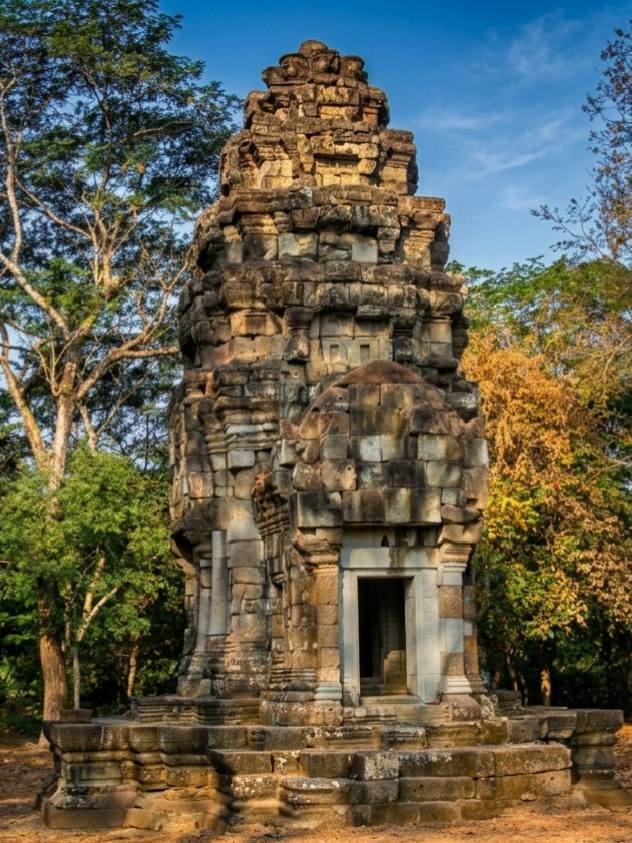
ប្រាសាទទន្លេស្ងួត មិនមែនគ្រាន់តែជាសំណង់ថ្មភក់ដែលឈរជម្នះនឹងពេលវេលាប៉ុណ្ណោះទេ ប៉ុន្តែគឺជាសក្ខីភាពនៃ «សេចក្តីមេត្តាករុណា» របស់មហាវីរក្សត្រខ្មែរ ព្រះបាទជ័យវម៌ទី៧។ ជា «អរោគ្យសាលា» មួយក្នុងចំណោមមន្ទីរពេទ្យទាំង ១០២ ដែលត្រូវបានកសាងឡើងនាចុងសតវត្សរ៍ទី១២ និងដើមទី១៣ (រចនាបថបាយ័ន) ប្រាសាទនេះធ្លាប់ជាទីសក្ការៈផង និងជាមណ្ឌលព្យាបាលជំងឺជូនប្រជានុរាស្ត្រផងនៅតំបន់ខាងជើងអង្គរ។
មានទីតាំងស្ថិតនៅភាគខាងជើងនៃក្រុងអង្គរធំ (ភូមិនគរក្រៅ សង្កាត់គោកចក) ប្រាសាទនេះត្រូវបានសាងសង់ឡើងយ៉ាងផ្ចិតផ្ចង់ពីថ្មភក់ និងថ្មបាយក្រៀម ដោយមានប្រាង្គកណ្តាលបែរមុខទៅទិសខាងកើត ចំទៅរកសំណង់រក្សាទឹកដ៏ធំល្វឹងល្វើយ ដែលមានបណ្តោយ ៨០០ ម៉ែត្រ និងទទឹង ៤០០ ម៉ែត្រ ហៅសព្វថ្ងៃថា «ទន្លេស្ងួត»។
ក្រោយពីបានឆ្លងកាត់ការខូចខាតស្ទើរតែបាត់បង់រូបរាងដោយសារធម្មជាតិ ប្រាសាទទន្លេស្ងួតត្រូវបានចាប់ផ្តើមស្តារឡើងវិញយ៉ាងយកចិត្តទុកដាក់៖
ផ្តល់ប្រយោជន៍ដល់សហគមន៍៖ បង្កើនសោភ័ណភាព បរិស្ថានបៃតង និងជាប្រភពទឹកដ៏សំខាន់សម្រាប់កសិកម្ម និងការរស់នៅរបស់ពលរដ្ឋជុំវិញ។
យើងចូលរួមគ្នាថែរក្សា និងស្តារសម្បត្តិបេតិកភណ្ឌនៅប្រាសាទទន្លេស្ងួត គឺជាការតភ្ជាប់សរសៃឈាមរវាងអតីតកាលដ៏រុងរឿង ទៅកាន់អនាគតដ៏រឹងមាំ និងមាននិរន្តរភាព។
ដំណាក់កាលទី១ (២០១៩-២០២០)៖ ប្រាសាទនេះត្រូវបានជួសជុលឡើងវិញដោយអាជ្ញាធរជាតិអប្សរា ដើម្បីពង្រឹងរចនាសម្ព័ន្ធថ្មដែលទ្រុឌទ្រោមឱ្យមានភាពរឹងមាំឡើងវិញ។
ដំណាក់កាលទី២ (២០២៥)៖ ក្រោមគម្រោងកិច្ចសហប្រតិបត្តិការជាមួយប្រទេសនូវែលហ្សេឡង់ «Angkor Water Resilience» ផ្នែកមួយចំនួននៃទំនប់បុរាណ និងថ្នល់បុរាណនៅក្បែរប្រាសាទបានជួសជុលកែលម្អ។ លើសពីនេះ រានទស្សនាត្រូវបានសាងសង់ឡើង ដើម្បីបម្រើដល់ប្រយោជន៍សហគមន៍ និងការទស្សនារបស់ភ្ញៀវទេសចរ។
បច្ចុប្បន្ន «ទន្លេស្ងួត» លែងស្ងួតដូចឈ្មោះទៀតហើយ។ តាមរយៈការស្តារជួសជុលទំនប់ និងរៀបចំប្រព័ន្ធធារាសាស្ត្របុរាណឱ្យមានជីវិតឡើងវិញ បច្ចុប្បន្នទន្លេស្ងួតអាចស្តុកទឹកបានអតិបរមារហូតដល់ ៧៧០.០០០ ម៉ែត្រត្រីគុណ។ ការបញ្ជូលទឹកបានឡើងវិញនេះផ្តល់នូវគុណសម្បត្តិច្រើនយ៉ាង ៖
ថែរក្សាលំនឹងគ្រឹះប្រាសាទ៖ តាមរយៈការរក្សាសំណើមដីដែលជាបច្ចេកទេសដ៏វិសេសវិសាលរបស់បុព្វបុរសខ្មែរ។
អត្ថបទ៖ ការិយាល័យផ្សព្វផ្សាយ
Jayavarman VII’s legacy of compassion is embodied in Tonle Snguot Temple, a remarkable site that is more than just an ancient sandstone structure. Built in the late 12th to early 13th centuries in the Bayon style, the temple once served as both a sacred sanctuary and a hospital, providing care for communities in the northern part of Angkor.
Located north of Angkor Thom (Nokor Krao Village, Sangkat Kork Chak), the temple is constructed from sandstone and laterite. Its central shrine faces east toward a vast reservoir measuring approximately 800 meters long and 400 meters wide, now known as Tonle Snguot.
After suffering extensive deterioration over time, the temple has undergone careful restoration:
Phase 1 (2019–2020): The APSARA National Authority restored and reinforced the fragile stone structure.
Phase 2 (2025): Through cooperation with New Zealand under the Angkor Water Resilience project, sections of the ancient dam and nearby roads were rehabilitated. A viewing platform was also constructed to serve both the local community and visitors.
Today, Tonle Snguot—once dry, as its name suggests—has been revived. With the restoration of the dam and ancient irrigation system, the reservoir can now hold up to 770,000 cubic meters of water, bringing multiple benefits:
-Stabilizing the temple foundation: Maintaining soil moisture reflects the sophisticated engineering techniques of ancient Khmer builders.
-Supporting local communities: The restored reservoir enhances the landscape, promotes a greener environment, and provides a vital water source for agriculture and daily life.
Tonle Snguot Temple stands today as a powerful symbol of the connection between past and present—a living cultural heritage site where history, engineering, and community resilience come together.
Let us continue working together to preserve and sustain this invaluable legacy for future generations.
Article by: Office of Communication
Photos by: Office of Communication
Translation by: Net Phirun