រយៈពេល២ឆ្នាំមកនេះ គម្រោងគ្រប់គ្រងទឹកអង្គរប្រកបដោយប្រសិទ្ធភាព និងចីរភាពដើម្បីភាពធន់នឹងការប្រែប្រួលអាកាសធាតុ និងសង្គមសេដ្ឋកិច្ច ឬ Angkor Water Resilience Project (AWR) របស់អាជ្ញាធរជាតិអប្សរា ក្រោមកិច្ចសហការជាមួយប្រទេសនូវែលហ្សេឡង់(New Zealand) បានយកចិត្តទុកដាក់ទៅលើការងារស្ដារប្រឡាយទឹកបុរាណចំនួន២ខ្សែ មានប្រវែង សរុប៤៣៩០ម៉ែត្រ ស្ថិតនៅក្នុងឃុំដូនកែវ ស្រុកពួក។
ប្រឡាយទឹកបុរាណទាំងពីរខ្សែនេះ បានបញ្ចប់រួចរាល់ជាស្ថាពរ និងបានរួមចំណែកក្នុងការងារអភិរក្សប្រឡាយទឹកបុរាណ ទេសភាពវប្បធម៌ និងជាប្រព័ន្ធរំដោះទឹកជំនន់ចេញពីតំបន់អង្គរ និងក្រុងសៀមរាប ព្រមទាំងជួយរំដោះទឹកភ្លៀងចេញពីភូមិដ្ឋានរបស់ពលរដ្ឋផង។ ប្រឡាយ២ខ្សែនេះ ក៏មានតួនាទីជួយរក្សាទឹកទុកសម្រាប់ពលរដ្ឋក្នុងឃុំ យកទៅស្រោចស្រពស្រែចម្ការ ដំណាំ និងផ្តល់ផលនេសាទ ព្រមទាំងធ្វើជាផ្លូវដីតាមខ្នងទំនប់សងខាងប្រឡាយ សម្រាប់ពលរដ្ឋក្នុងភូមិអាចធ្វើចរាចរ និងដឹកជញ្ជូនកសិផលជាដើម។
បច្ចុប្បន្ននេះ មានពលរដ្ឋក្នុងភូមិមួយចំនួន កំពុងទទួលប្រយោជន៍ដោយផ្ទាល់ពីគម្រោងស្ដារប្រឡាយបុរាណ២ខ្សែនេះ ដូចជា ភូមិគោកត្នោត ភូមិប្រាសាទចារ្យ និងភូមិល្បើក។ ជាមួយគ្នានេះ មានពលរដ្ឋនៅភូមិខ្លះទៀត ក៏ទទួលផលដោយប្រយោលពីប្រឡាយបុរាណនេះដែរ ដូចជាភូមិនគរក្រៅ ភូមិគោកបេង ភូមិគោកពោធិ៍ ភូមិរហាល ភូមិពាម និងភូមិតាស្នែ ជាដើម។
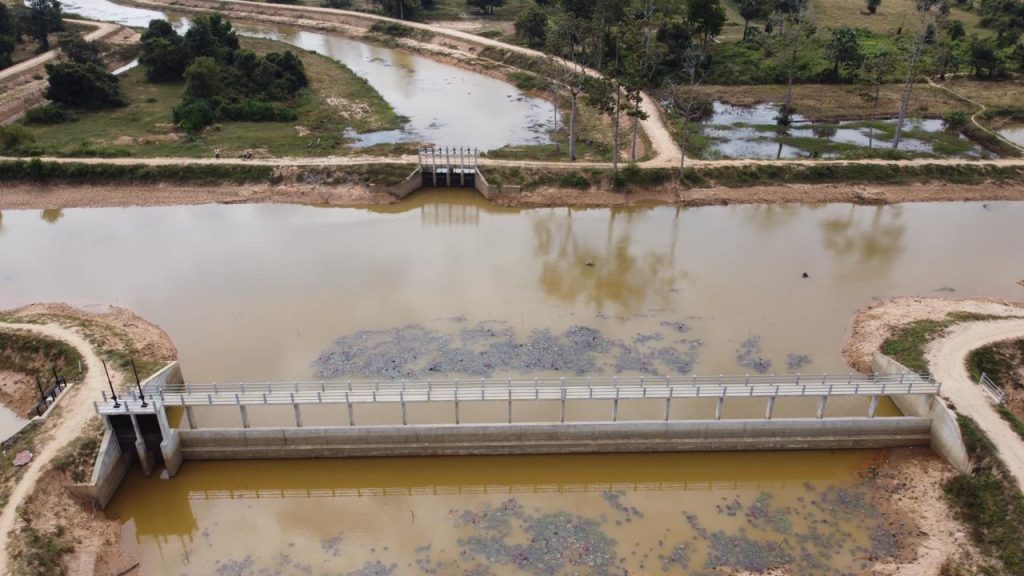
ដើម្បីជាការរួមចំណែកក្នុងការគ្រប់គ្រងទឹកនៅក្នុងភូមិសាស្រ្តឃុំដូនកែវ ស្រុកពួកនេះឱ្យកាន់តែមានប្រសិទ្ធភាព គម្រោងAWR ក៏បានធ្វើការសាងសង់សំណង់ធារាសាស្ត្រមួយចំនួននៅតាមបណ្តោយប្រឡាយទាំងនេះថែមទៀត ដូចជាសំណង់ទ្វារទឹកថ្មីចំនួន៤កន្លែង សំណង់បង្ហៀរ១កន្លែង និងជួសជុលទំនប់សងខាងប្រឡាយប្រវែង១០០០ម៉ែត្រ៕
អត្ថបទ និងរូបភាព៖ ក្រុមការងារគម្រោង AWR
The APSARA National Authority’s restoration project of ancient canals in Daun Keo Commune, Puok District, has delivered significant benefits in preserving historical water systems, protecting cultural landscapes, and improving water storage for agricultural use.
Over the past two years, APSARA National Authority, through its Angkor Water Resilience Project (AWR) in collaboration with New Zealand, has focused on restoring two ancient canals with a total length of 4,390 meters. The restoration work began in March 2024 and was successfully completed in November 2025.
This project plays a vital role in safeguarding the region’s ancient canal network—an integral part of the Angkorian hydraulic system—while also enhancing flood management in the Angkor region and Siem Reap city. The restored canals help regulate water flow, reduce flooding risks, and improve drainage for nearby communities during the rainy season.
In addition to flood control, the canals now serve as an important water resource for local residents. They support irrigation for rice fields and crops, provide opportunities for fishing, and contribute to daily livelihoods. The canal embankments have also been developed into accessible dirt roads, making it easier for villagers to travel and transport agricultural products.
Communities directly benefiting from the project include Kok Thnot, Prasat Char, and Lbak villages. Meanwhile, several other villages—such as Nokor Krao, Kok Beng, Kok Por, Rohal, Peam, and Ta Sne—are also experiencing indirect benefits through improved water distribution and environmental conditions.
To further strengthen water management in Daun Keo Commune, the AWR project has installed key irrigation infrastructure along the canals. These include four new water gates, one spillway, and the rehabilitation of a 1,000-meter-long embankment on both sides of the canals.
Article and Photos by Angkor Water Resilience Project
Translation by Net Phirun