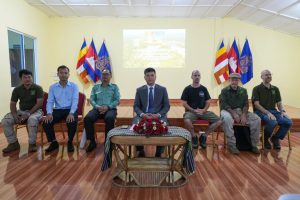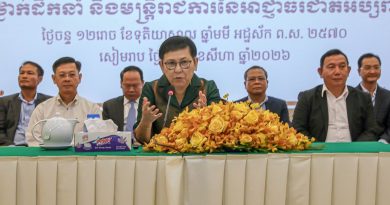
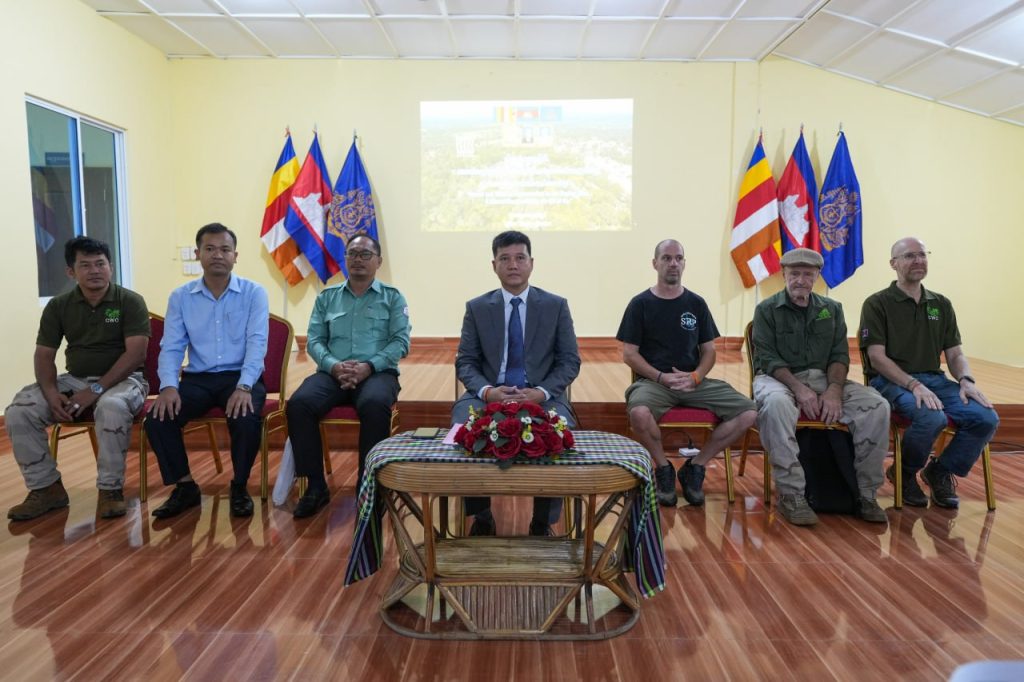
អាជ្ញាធរជាតិអប្សរា សហការជាមួយអង្គការគាំពារសត្វព្រៃកម្ពុជា(CWC) បានរៀបចំសិក្ខាសាលាស្តីពី «ការអភិរក្សព្រៃឈើ និងសត្វព្រៃនៅក្នុងតំបន់រមណីយដ្ឋានអង្គរ ជាកាតព្វកិច្ចរបស់យើងទាំងអស់គ្នា» ជូនដល់ភ្នាក់ងារសណ្តាប់ធ្នាប់ ភ្នាក់ងារទេសចរណ៍ ក្រុមការងារផ្នែកអភិរក្សប្រាសាទ ក្រុមការងារគ្រប់គ្រងទឹក និងព្រៃឈើ និងអង្គភាពនគរបាលការពារបេតិកភណ្ឌតំបន់អង្គរ សរុប៦០នាក់។
លោក ស៊ិន ពិសី ប្រធាននាយកដ្ឋានសណ្តាប់ធ្នាប់ បានមានប្រសាសន៍បើកសិក្ខាសាលា ដោយចាត់ទុកថាសិក្ខាសាលានេះ មានសារសំខាន់ដល់សិក្ខាកាមចូលរួម។ លោកបានពន្យល់ថា ក្រៅពីប្រាសាទ យើងក៏មានព្រៃឈើ និងសត្វព្រៃ ដែលជាផ្នែកមួយដ៏សំខាន់នៅក្នុងតំបន់រមណីយដ្ឋានអង្គរផងដែរ ដូច្នេះទាមទារឱ្យមានការការពារ និងគ្រប់គ្រងឱ្យបានល្អប្រសើរ។ សិក្ខាសាលានេះ ជាចំណែកមួយក្នុងការលើកកម្ពស់ការយល់ដឹងដល់អ្នកពាក់ព័ន្ធទាំងអស់ ដែលកំពុងបំពេញភារកិច្ចក្នុងរមណីយដ្ឋានអង្គរ ឱ្យយល់កាន់តែស៊ីជម្រៅទាក់ទងនឹងព្រៃឈើ និងសត្វព្រៃ។
បន្ថែមពីនេះលោក ស៊ិន ពិសី បានអំពាវនាវឱ្យសិក្ខាកាមទាំងអស់ មានមតិយោបល់ លើកជាសំណួរផ្សេងៗទៅកាន់វាគ្មិន ដើម្បីទទួលបានចំណេះដឹងគ្រប់ជ្រុងជ្រោយលើបញ្ហាព្រៃឈើ និងសត្វព្រៃ។ ការផ្លាស់ប្តូរការពិភាក្សាគ្នា ដើម្បីស្វែងរកនូវដំណោះស្រាយ ប្រសិទ្ធភាព និងយុទ្ធសាស្រ្តថ្មីៗ ក្នុងការគ្រប់គ្រង និងអភិរក្សព្រៃឈើព្រមទាំងសត្វព្រៃឱ្យបានគង់វង្ស និងចីរភាពសម្រាប់កូនចៅជំនាន់ក្រោយ។ លោកប្រធាននាយកដ្ឋានសណ្តាប់ធ្នាប់មានសុទិដ្ឋិនិយមថា ក្រោយពេលចូលរួមសិក្ខាសាលានេះរួច សិក្ខាកាមទាំងអស់នឹងទទួលបានចំណេះដឹងសំខាន់ៗពីវាគ្មិន នឹងចូលរួមជាចលករមួយក្នុងការអភិរក្សព្រៃឈើ និងសត្វព្រៃ ដែលកំពុងទទួលរងការគំរាមកំហែង។ល។
សូមជម្រាបថា សិក្ខាសាលានេះរៀបចំឡើង ចាប់ពីថ្ងៃទី៣ ខែសីហា តទៅ នៅនាយកដ្ឋានសណ្តាប់ធ្នាប់។ ប្រធានបទសំខាន់ៗដែលវាគ្មិនធ្វើបទបង្ហាញរួមមាន ១. ពស់នៅកម្ពុជា និងការព្យាបាលរបួសដោយសារពស់ចឹក ២. បច្ចេកទេសការពារព្រៃឈើ និងការល្បាតព្រៃ ៣. បញ្ហាព្រៃឈើបច្ចុប្បន្ននៅក្នុងរមណីយដ្ឋានអង្គរ និងវិធានការដែលបានអនុវត្ត ៤. គម្រោងដោះលែងសត្វព្រៃក្នុងរមណីយដ្ឋានអង្គរ និង ៥. ការការពារព្រៃឈើ និងសត្វព្រៃនៅក្នុងរមណីយដ្ឋានអង្គរ។ ក្រៅពីនេះ សិក្ខាកាមទាំងអស់ក៏បានចុះកម្មសិក្សាដោយផ្ទាល់ នៅព្រៃឧទ្យានអង្គរផងដែរ ដើម្បីស្វែងយល់ពី ស្ថានភាពព្រៃឈើ និងការដោះលែងសត្វព្រៃ៕
អត្ថបទ៖ នាង សំណាង
The APSARA National Authority, in collaboration with the Cambodia Wildlife Care (CWC), organized a workshop titled “Forest and Wildlife Conservation in the Angkor Site: A Shared Responsibility for All of Us” for 60 participants, including public order agents, tourism agents, temple conservation teams, water and forest management teams, and officers from the Angkor Heritage Protection Police Unit.
Opening the workshop, Mr. Sin Pisey, Director of the Department of Public Order, emphasized the importance of the training for all participants. He noted that, alongside the temples, the forests and wildlife are invaluable components of the Angkor site that require effective protection and management. The workshop aims to strengthen awareness among personnel working throughout the Angkor site and deepen their understanding of forest and wildlife conservation.
Mr. Sin Pisey also encouraged participants to actively share their opinions and ask questions during the sessions to gain comprehensive knowledge of forest and wildlife issues. Through discussion and the exchange of experiences, the workshop seeks to identify practical solutions, improve management effectiveness, and develop new strategies for conserving Angkor’s forests and wildlife for the benefit of future generations.
He expressed confidence that the knowledge gained from the workshop would enable participants to play a greater role in protecting and conserving the forests and wildlife of the Angkor site, particularly species and habitats facing increasing threats.
The workshop, held from 3 August at the Department of Public Order, covers five key topics:
1. Snakes in Cambodia and treatment of snakebite injuries;
2. Forest protection techniques and forest patrols;
3. Current forest issues in the Angkor site and conservation measures;
4. Wildlife release projects in the Angkor site; and
5. Forest and wildlife protection in the Angkor site.
As part of the program, participants also took part in a field study in Angkor Park to observe the condition of the forests and learn about ongoing wildlife release and conservation activities.
Article by: Neang Samnang
Photos by: Hap Kim An and Rath Phallin
Translation by: Net Phirun