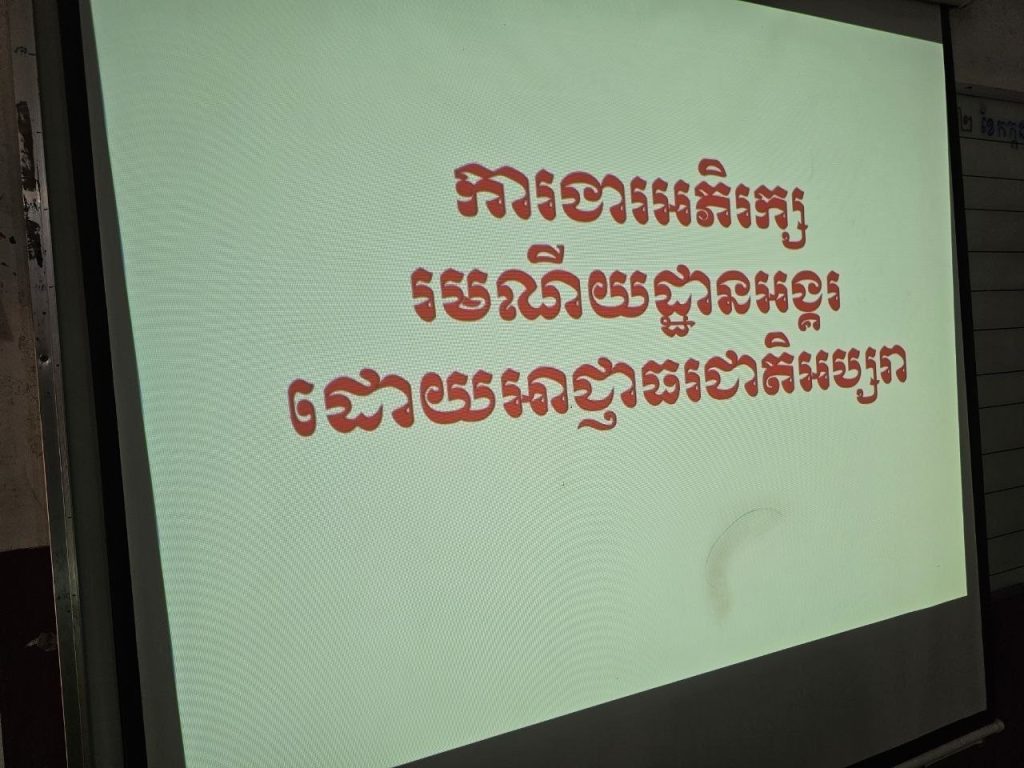
ក្នុងគោលបំណងលើកកម្ពស់ការយល់ដឹង និងបណ្តុះស្មារតីស្រឡាញ់បេតិកភណ្ឌដល់កុមារា កុមារី ដែលជាយុវជនជំនាន់ក្រោយរស់នៅក្នុងតំបន់អង្គរ អាជ្ញាធរជាតិអប្សរា បានសហការជាមួយអង្គការមរតកខ្មែរ (KHO) រៀបចំកម្មវិធីអប់រំបេតិកភណ្ឌ ស្តីពី «ប្រវត្តិការងារអភិរក្សរមណីយដ្ឋានអង្គរ» ជូនដល់សិស្សានុសិស្សនៃសាលាបឋមសិក្សាក្របីរៀល។ វគ្គអប់រំនេះ បានបង្រៀនដោយគ្រូបង្គោល លោក អន សុភាព បង្ហាត់បង្ហាញសិស្សនូវចំណុចគន្លឹះសំខាន់ៗចំនួន៤ ដូចខាងក្រោម៖
កត្តាបណ្តាលឱ្យសំណង់ប្រាសាទបុរាណខ្មែរទទួលរងការខូចខាត និងទ្រុឌទ្រោម ដែលបណ្តាលមកពីកត្តាធម្មជាតិ អាយុកាល ដោយការឆ្លងកាត់ពេលវេលារាប់រយនិងពាន់ឆ្នាំ ធ្វើឱ្យសម្ភារៈសំណង់ចុះទ្រុឌទ្រោម និងពុកផុយទៅតាមសម័យកាល លើសពីនេះអាកាសធាតុ ដែលបានប្រែប្រួលសីតុណ្ហភាពពីកម្ដៅ សំណើម ខ្យល់ និងភ្លៀង បង្កឱ្យដុំថ្មប្រាសាទប្រេះស្រាំ និងបាក់បែក ព្រមទាំងទឹកជំនន់និងការហូរច្រោះ ដោយលំហូរទឹកភ្លៀង បណ្តាលឱ្យគ្រឹះប្រាសាទស្រុតចុះ ឬជញ្ជាំងទ្រេត។
ព្រមជាមួយនេះ ដើមឈើធំៗ និងរុក្ខជាតិនានាដែលដុះចាក់ឫសជ្រៅក្នុងចន្លោះថ្ម បានរុញច្រានដុំថ្ម និងគ្រឹះសំណង់ ធ្វើឱ្យរចនាសម្ព័ន្ធប្រាសាទប្រឈមនឹងការដួលរលំដែរ។ ទន្ទឹមនឹងនេះ កត្តាមនុស្ស មានសង្គ្រាម និងភាពអសន្តិសុខ ដូចជាសង្គ្រាមនាអតីតកាលច្រើនឆ្នាំ បានបង្កការខូចខាតដោយផ្ទាល់តាមរយៈការទម្លាក់គ្រាប់ បាញ់ប្រហារជាដើម។ បន្ថែមពីនេះ ភាពអសន្តិសុខបានបើកឱកាសឱ្យមានការលួចជីកនិងជួញដូរវត្ថុបុរាណ ការដាប់គាស់យករូបចម្លាក់ ផ្ទាំងចម្លាក់ និងការជីកកកាយតាមស្ថានីយបុរាណផ្សេងៗ។
មូលហេតុមួយទៀតទាក់ទងនឹងការផ្លាស់ប្ដូររាជធានី និងការបោះបង់ចោលនាអតីតកាល ធ្វើឱ្យសំណង់ប្រាសាទខ្វះការថែទាំ និងជួសជុលទាន់ពេលវេលា។
ដើម្បីបង្កើនចំណេះដឹងដល់សិស្ស យើងបានបង្ហាញពីប្រវត្តិការងារអភិរក្ស និងជួសជុលរមណីយដ្ឋានអង្គរ ដែលការងារអភិរក្សអង្គរបានចាប់ផ្តើមជាផ្លូវការនៅដើមសតវត្សរ៍ទី២០ ដោយសាលាបារាំងចុងបូព៌ា (EFEO) និងការបង្កើត «អភិរក្សដ្ឋានអង្គរ» នៅឆ្នាំ១៩០៨។ ការងារនេះបានវិវឌ្ឍជាបន្តបន្ទាប់ រហូតឈានដល់ការបង្កើត អាជ្ញាធរជាតិអប្សរា នៅថ្ងៃទី១៩ ខែកុម្ភៈ ឆ្នាំ១៩៩៥។
បច្ចុប្បន្ន ការងារការពារ និងអភិរក្សត្រូវបានអនុវត្តយ៉ាងហ្មត់ចត់ដោយផ្អែកលើបទដ្ឋានស្តង់ដារអន្តរជាតិ និងធម្មនុញ្ញអង្គរ ក្រោមការសម្របសម្រួលរបស់អង្គការយូណេស្កូ (UNESCO) និងគណៈកម្មាធិការអាយស៊ីស៊ី-អង្គរ (ICC-Angkor)។
លោក អន សុភាព បានបន្ថែមថា កិច្ចសហប្រតិបត្តិការអន្តរជាតិ បន្ទាប់ពីតំបន់អង្គរត្រូវបានចុះក្នុងបញ្ជីបេតិកភណ្ឌវប្បធម៌ពិភពលោក នៅថ្ងៃទី១៤ ខែធ្នូ ឆ្នាំ១៩៩២ មក ស្ថាប័នអន្តរជាតិ និងដៃគូនានាជុំវិញពិភពលោក បានចូលរួមយ៉ាងសកម្មជាមួយកម្ពុជា ក្នុងការបណ្តុះបណ្តាល បញ្ជូនអ្នកជំនាញ និងផ្តល់បច្ចេកវិទ្យាក្នុងការស្រាវជ្រាវ អភិរក្ស និងជួសជុលប្រាសាទក្នុងតំបន់អង្គរ។
ចំពោះ សកម្មភាពអភិរក្សរមណីយដ្ឋានអង្គរដោយស្ថាប័នជាតិវិញនៅក្នុងរមណីយដ្ឋានអង្គរ អាជ្ញាធរជាតិអប្សរាបាននិងកំពុងបំពេញបេសកកម្មយ៉ាងសកម្មលើការងារសំខាន់ៗរួមមាន៖
ការងារស្រាវជ្រាវ និងចងក្រងឯកសារប្រវត្តិសាស្ត្រ និងបច្ចេកទេស និងការកំណត់ និងអនុវត្តគោលការណ៍អភិរក្សសំណង់បេតិកភណ្ឌអង្គរឱ្យត្រូវតាមបទដ្ឋានដើម ព្រមទាំងការអនុវត្តការងារសង្គ្រោះបន្ទាន់ ការជួសជុល និងការថែទាំប្រាសាទជាប្រចាំ។
កម្មវិធីអប់រំបេតិកភណ្ឌនេះ បានផ្តល់ចំណេះដឹងយ៉ាងសំខាន់ដល់សិស្សានុសិស្សសាលាបឋមសិក្សាក្របីរៀល ឱ្យយល់ដឹងកាន់តែច្បាស់អំពីតម្លៃឥតគណនានៃបេតិកភណ្ឌពិភពលោកអង្គរ ព្រមទាំងជំរុញឱ្យកុមារដែលជានិវេសនជនរស់នៅក្នុងតំបន់បេតិកភណ្ឌ ចូលរួមចំណែកថែរក្សា ការពារ និងមានមោទនភាពចំពោះសម្បត្តិវប្បធម៌ដូនតាខ្លួនតទៅអនាគត៕
អត្ថបទ & រូបភាព៖ ការិយាល័យផ្សព្វផ្សាយ
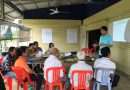
To raise awareness and foster a sense of heritage stewardship among the next generation living in the Angkor region, the APSARA National Authority, in collaboration with the Khmer Heritage Organization (KHO), organized a heritage education program on the “History and Conservation of Angkor Sites” for students at Krabei Riel Primary School.
The training was led by Mr. An Sopheap, who introduced students to the major factors that cause ancient Khmer temples to deteriorate and explained the history and importance of conservation efforts in Angkor.
Students learned that natural factors are among the main causes of deterioration. After hundreds and thousands of years, building materials naturally weaken and decay. Changes in climate—including heat, humidity, wind, and rain—can cause stones to crack and crumble. Flooding and water erosion can also weaken temple foundations and cause walls to tilt or collapse.
Vegetation can also affect ancient structures. Large trees and plants whose roots grow deep into the stone can displace stones and foundations, making temple structures unstable and vulnerable to collapse.
Human activities have also caused significant damage. Past wars and prolonged insecurity resulted in direct damage from shelling and gunfire, while periods of insecurity created opportunities for the looting and trafficking of antiquities, including the removal of sculptures and carvings and unauthorized excavations at ancient sites.
Another factor was the relocation of capitals and the abandonment of certain sites in the past, which resulted in temples receiving little or no timely maintenance and repair.
To deepen the students’ understanding, the program also introduced the history of conservation and restoration in Angkor. Organized conservation efforts began in the early 20th century under the École française d’Extrême-Orient (EFEO), with the establishment of the Angkor Conservation Center in 1908. Conservation efforts have continued to develop over the decades, leading to the establishment of the APSARA National Authority on February 19, 1995.
Today, the protection and conservation of Angkor are carried out according to international standards and the Angkor Charter, with coordination and cooperation through UNESCO and the International Coordinating Committee for the Safeguarding and Development of the Historic Site of Angkor (ICC-Angkor).
Mr. An Sopheap also highlighted the importance of international cooperation following the inscription of Angkor on the UNESCO World Heritage List on December 14, 1992. Since then, international institutions and partners have worked closely with Cambodia by providing training, experts, technical knowledge, and advanced technologies for research, conservation, and restoration in the Angkor region.
At the national level, the APSARA National Authority continues to fulfill its mandate through key activities, including researching and compiling historical and technical documentation; establishing and implementing conservation principles in accordance with the original characteristics of Angkor’s heritage structures; and carrying out emergency interventions, restoration, and regular maintenance of temples.
The heritage education program provided students at Krabei Riel Primary School with valuable knowledge about the exceptional and irreplaceable value of the Angkor World Heritage Site. It also encouraged young people living within the heritage area to actively contribute to its protection and preservation and to take pride in their ancestral cultural heritage for future generations.
Article & Photos: Office of Communication
Translation: Net Phirun