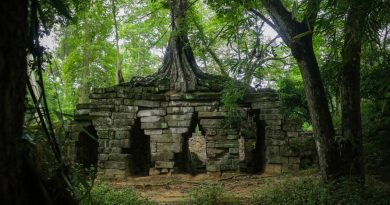
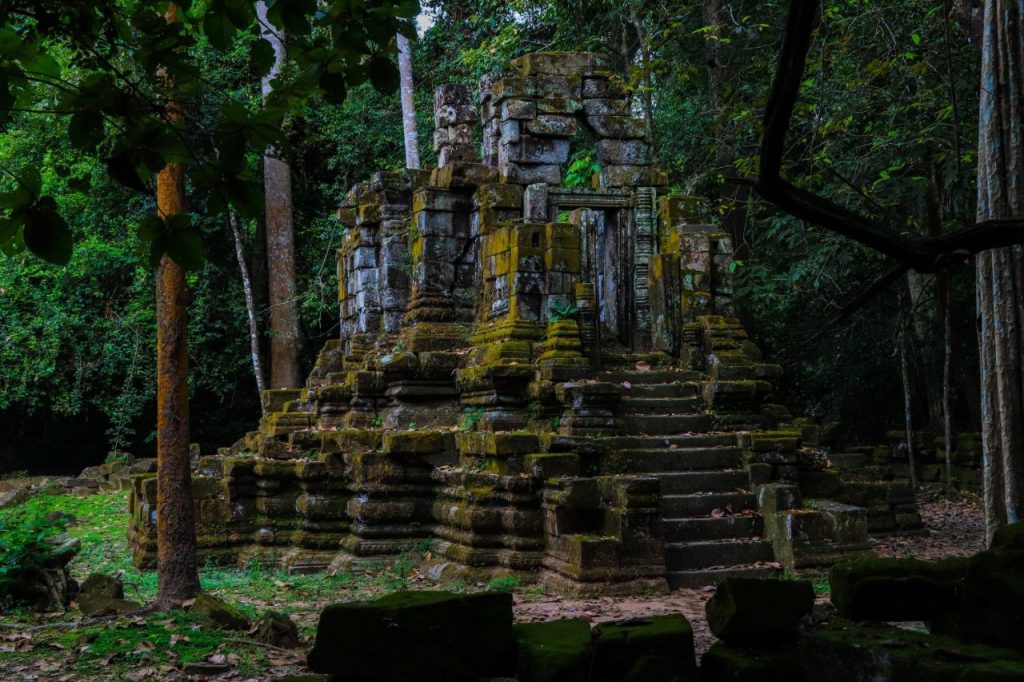
តាំងនៅកណ្តាលព្រៃព្រឹក្សាដ៏ស្ងប់ស្ងាត់ និងស្រស់បំព្រងក្នុងក្រុងអង្គរធំ ប្រាសាទ «មង្គលាថ៍» ឬដែលអ្នកស្រុកស្គាល់ទូទៅថា «ប្រាសាទតុបខាងកើត» គឺជាចំណុចទេសចរណ៍ប្រវត្តិសាស្ត្រដ៏មានសម្រស់ស្ងប់ស្ងាត់ និងគួរឱ្យស្វែងយល់។
ប្រាសាទនេះស្ថិតនៅក្នុងកំពែងក្រុងអង្គរធំផ្នែកខាងកើត ក្នុងភូមិស្រះស្រង់ខាងត្បូង សង្កាត់នគរធំ ក្រុងសៀមរាប ខេត្តសៀមរាប។ តាមកំណត់ត្រារបស់លោក Henri Marchal នាឆ្នាំ១៩១៨ អ្នកស្រុកអង្គរហៅប្រាសាទនេះថា «ប្រាសាទតុប» ដោយសារទម្រង់រាង «កន្តុប»។ ប៉ុន្តែតាមរយៈសិលាចារឹក ប្រាសាទនេះមានឈ្មោះដើមថា “មង្គលាថ៍”។ អ្នកស្រុកតែងហៅប្រាសាទតូចៗពីរក្នុងក្រុងអង្គរធំថា «តុប» ដោយមួយស្ថិតនៅខាងកើត និងមួយទៀតនៅខាងលិច ភាគខាងត្បូងថ្នល់ឆ្ពោះទៅខ្លោងទ្វារតាកាវ។ ដើម្បីចៀសវាងការច្រឡំ អ្នកស្រាវជ្រាវបានបន្ថែមទិសសម្គាល់លើទីតាំងប្រាសាទទាំងពីរ ដោយសារសំណង់ទាំងពីរនេះមានប្រវត្តិ កាលសម័យ និងស្ថាបត្យកម្មខុសគ្នាស្រឡះ។
ក្នុងទិដ្ឋភាពស្ថាបត្យកម្ម ប្រាសាទមង្គលាថ៍ ឬប្រាសាទតុបខាងកើត ត្រូវបានសង់អំពីថ្មភក់នៅលើខឿនពីរជាន់ មានប្លង់ជារាងកាកបាទ ដោយមានទ្វារចូលនៅទិសខាងកើត និងទ្វារបញ្ឆោតនៅទិសខាងលិច ខាងត្បូង និងខាងជើង។ ភាគច្រើននៃចម្លាក់ផ្តែរ ហោជាង និងចម្លាក់គោល រៀបរាប់អំពីទេវកថាសំខាន់ៗរបស់ព្រះនារាយណ៍ ដូចជារឿងព្រះនារាយណ៍ផ្ទុំបង្កើតលោក ព្រះនារាយណ៍ឈានបីជំហាន និងរឿងរ៉ាវព្រះក្រឹស្ណ ដែលជាភស្តុតាងបញ្ជាក់ថា ប្រាសាទនេះត្រូវបានសាងសង់ឡើងដើម្បីឧទ្ទិសដល់លទ្ធិព្រហ្មញ្ញសាសនា និកាយព្រះនារាយណ៍។
ប្រភពប្រវត្តិសាស្ត្រដ៏សំខាន់នៃប្រាសាទនេះ បានបង្ហាញតាមរយៈសិលាចារឹកភាសាសំស្ក្រឹតចំនួន២ផ្ទាំង។ សិលាចារឹក K.៥៦៧ ចារនៅមេទ្វារខាងត្បូង (បច្ចុប្បន្នសឹករិចរិលស្ទើរទាំងស្រុង) និងសិលាចារឹក K.៤៨៨ ដែលរកឃើញនៅឆ្នាំ១៩២៤ ដោយចារលើសសរគោលទាំង៤មុខ។ សិលាចារឹកទាំងនេះផ្តល់ទិន្នន័យប្រវត្តិសាស្ត្រសំខាន់ៗអំពីកាលប្បវត្តិ និងព្រះរាជវង្សខ្មែរនាចុងសតវត្សទី១២ ដល់ដើមសតវត្សទី១៤ ពោលគឺក្រោយរជ្ជកាលព្រះបាទជ័យវម៌ទី៧។ តាមរយៈសិលាចារឹកនេះ បានឱ្យដឹងថា ព្រះបាទជ័យវម៌ទី៨ បានសាងសង់ប្រាសាទ «មង្គលាថ៍» ឡើងនៅឆ្នាំ១២៩៥ គ.ស. លើទីតាំងដីមានឈ្មោះថា «សាលាព្រាហ្មណ៍» ដើម្បីឧទ្ទិសជូនព្រះរាជគ្រូរបស់ព្រះអង្គ គឺព្រាហ្មណ៍ «ជ័យមង្គលាថ៍» និងមាតាឈ្មោះ «សុភទ្រា» (Subhadrā)។ ដោយផ្អែកលើសិលាចារឹក ប្រាសាទតុបខាងកើត ជាសំណង់ប្រាសាទឧទ្ទិសដល់ព្រហ្មញ្ញសាសនាចុងក្រោយគេបង្អស់ ដែលបានកសាងឡើងនៅក្នុងរាជធានីអង្គរ។
បច្ចុប្បន្ន ប្រាសាទតុបខាងកើត ដែលស្ថិតក្នុងអតីតរាជធានីអង្គរធំ ត្រូវបានអភិរក្ស និងថែទាំយ៉ាងយកចិត្តទុកដាក់ជាប្រចាំដោយអាជ្ញាធរជាតិអប្សរា ទាំងការស្តារប្រឡាយទឹក និងការសម្អាតបរិស្ថានជុំវិញ។ សម្រាប់ទេសចរដែលស្វែងរកភាពស្ងប់ស្ងាត់ និងចង់ស្រូបយកបរិយាកាសធម្មជាតិស្រស់បំព្រង លាយឡំជាមួយដានប្រវត្តិសាស្ត្រដ៏បុរាណនៃ ចក្រភពអង្គរ ប្រាសាទ «មង្គលាថ៍» គឺជាគោលដៅទេសចរណ៍វប្បធម៌ និងប្រវត្តិសាស្ត្រដ៏មានតម្លៃមួយដែលមិនអាចរំលងបានឡើយ៕
អត្ថបទ &រូបភាព៖ ការិយាល័យផ្សព្វផ្សាយ
Nestled quietly within the peaceful forest of Angkor Thom, the Mangalartha Temple, also known as the East Top Temple, is a fascinating historical monument that offers visitors a glimpse into the final period of Hindu temple construction in the ancient capital of Angkor.
The temple is located along the eastern wall of Angkor Thom, in Sras Srang Village, Nokor Thom Sangkat, Siem Reap Province. According to records by Henri Marchal in 1918, local residents referred to the temple as “Top,” apparently because of its distinctive shape. However, inscriptions reveal that its original name was Mangalartha.
There are two small temples in Angkor Thom that are locally known as “Top”—one in the east and another in the west, both located south of the road leading to the Takav Gate. To distinguish between them, researchers have added directional names. Despite sharing the same local name, the two temples differ significantly in their historical periods, architectural styles, and cultural backgrounds.
Architecturally, Mangalartha Temple is constructed primarily of sandstone and stands on a two-tiered platform. Its plan is cross-shaped, with the main entrance facing east and additional entrances on the west, south, and north. The temple features numerous reliefs, bas-reliefs, and carved pillars depicting important stories associated with the Hindu god Vishnu, including Vishnu’s creation of the world, his three-step ascent, and episodes from the life of Krishna. These artistic elements provide clear evidence that the temple was dedicated to the Brahmanical tradition of the Vaishnavite sect.
The history of Mangalartha Temple is documented through two Sanskrit inscriptions. Inscription K.567, originally carved on the main southern gate, is now largely damaged, while Inscription K.488, discovered in 1924, is engraved on four pillars. Together, these inscriptions provide valuable historical information about the chronology and royal dynasties of the Khmer Empire from the late 12th to the early 14th centuries, particularly the period following the reign of King Jayavarman VII.
According to the inscriptions, King Jayavarman VIII built the Mangalartha Temple in 1295 at a site known as “Sala Brahma.” The temple was dedicated to his guru, the Brahmin Jayamangalartha, and his mother, Subhadrā. Based on this inscriptional evidence, Mangalartha Temple is considered the last Hindu temple built in the capital of Angkor.
Today, the East Top Temple, situated within the former royal capital of Angkor Thom, is carefully preserved and maintained by the APSARA National Authority. Conservation efforts include restoring and maintaining the ancient water system and keeping the surrounding environment clean and peaceful.
For visitors seeking a quiet place away from the crowds, Mangalartha Temple offers a unique opportunity to experience the harmony between ancient Khmer heritage and the natural landscape of Angkor. Surrounded by trees and traces of the ancient empire, this lesser-known monument is a valuable cultural and historical destination that should not be missed.
Article & Photos: Office of Communication
Translation: Net Phirun