គម្រោងគ្រប់គ្រងទឹកអង្គរប្រកបដោយប្រសិទ្ធភាព និងចីរភាព ដើម្បីភាពធន់នឹងការប្រែប្រួលអាកាសធាតុ និងសង្គម-សេដ្ឋកិច្ច ឬ Angkor Water Resilience Project ហៅកាត់ថាAWR គឺជាគំនិតផ្តួចផ្តើមរបស់អាជ្ញាធរជាតិអប្សរា ក្រោមជំនួយឧបត្ថម្ភពីក្រសួងការបរទេស និងពាណិជ្ជកម្ម នៃប្រទេសនូវែលសេឡង់(MFAT) និងអនុវត្តដោយអង្គការលីវអែនលឺន Live & Learn ចាប់តាំងពីចុងឆ្នាំ២០២៣ រហូតដល់ពាក់កណ្តាលឆ្នាំ ២០២៨។ ផ្នែកមួយនៃគម្រោងនេះ គឺជួយគាំទ្រកសិករដែលរស់នៅក្នុង និងជុំវិញរមណីយដ្ឋានអង្គរ ក្នុងការប្រើបច្ចេកទេសកសិកម្មឆ្លាតវៃ និងដំណាំអ្នកស្រុកអង្គរមួយចំនួន ដែលធន់នឹងការប្រែប្រួលអាកាសធាតុ ដើម្បីទទួលបានសន្តិសុខស្បៀង និងចំណូលបន្ថែមរបស់ពួកគាត់។
នៅឆ្នាំទី៤ នៃគម្រោង បានពង្រីកតំបន់គម្រោងទៅឃុំខ្នាតនៃស្រុកពួក និងសង្កាត់នគរធំនៃក្រុងសៀមរាប ខេត្តសៀមរាប ដោយបានជ្រើសកសិករថ្មីចំនួន២៧៥ គ្រួសារបន្ថែមទៀតបន្ថែមទៅលើកសិករចំនួន២៥៥គ្រួសារដែលបាននិងកំពុងទទួលផលគម្រោងដែលរស់នៅក្នុងសង្កាត់គោកចកនៃក្រុងសៀមរាប ឃុំដូនកែវនៃស្រុកពួក ឃុំលាងដៃ និងពាក់ស្នែងនៃស្រុកអង្គរធំ។
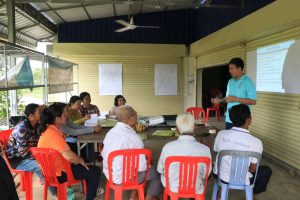
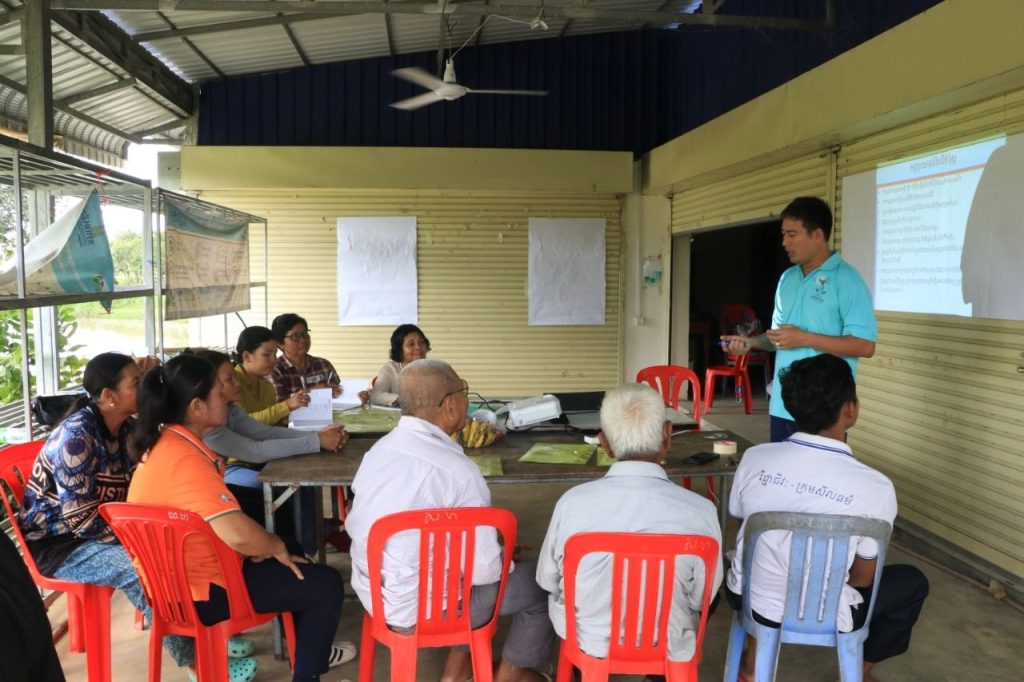
ក្នុងបទសម្ភាសនាថ្ងៃទី៥ ខែវិច្ឆិកាឆ្នាំ២០២៦ លោក ស៊ន វណ្ណឌី អ្នកសម្របសម្រួលគម្រោង AWR បានប្រាប់ថា នេះគឺជាថ្ងៃទី២ នៃវគ្គបណ្តុះបណ្តាលរយៈពេល២ ថ្ងៃដល់កសិករគំរូថ្មីចំនួន ១០នាក់ស្តីពីបច្ចេកទេសកសិកម្មឆ្លាតវៃ នៅស្នាក់ការផ្សារសហគមន៍កសិកម្មឃុំខ្នាតសាមគ្គីរុងរឿង។ លោកបានឱ្យដឹងថា វគ្គបណ្តុះបណ្តាលនេះផ្តោតទៅលើបច្ចេកទេសកសិកម្មឆ្លាតវៃចំនួន១២ ដែលរួមមានការរៀបចំដី ការប្រើពូជដំណាំ និងប្រតិទិនដាំដុះ ការរៀបចំប្រព័ន្ធដំណក់ទឹក ការផលិតជីកំប៉ុស និងការផលិតថ្នាំធម្មជាតិសម្រាប់ការពារពីសត្វល្អិតជាដើម។ល។
នៅក្នុងបទសម្ភាសជាមួយអ្នកស្រី ឈឺន ព្រើន ដែលបានចូលរួមវគ្គបណ្តុះបណ្តាល និងមកពីភូមិជ្រលង ឃុំខ្នាត ស្រុកពួក បានឱ្យដឹងថា កន្លងមកអ្នកស្រីដាំដំណាំរួមផ្សំជុំវិញផ្ទះ និងដាំមួយចំនួនដែរតាមទម្លាប់និងការរៀនតគ្នា។ គាត់បានបញ្ចេញអារម្មណ៍ពេញចិត្ត និងរីករាយដែលទទួលបានចំណេះដឹងថ្មីៗជាច្រើនពីវគ្គបណ្តុះបណ្តាលដែលអាចឱ្យគាត់សង្ឃឹមថាអាចបង្កើតបានសួនដំណាំគ្រួសារ និងប្រើបច្ចេកទេសកសិកម្មឆ្លាតវៃទាំងឡាយដើម្បីទទួលបានផលដំណាំប្រសើរ និងសុវត្ថិភាពជាងមុន ។
ជាមួយគ្នានេះ ក្រុមការងារក៏នឹងចុះយកព័ត៌មានបន្ថែមពីកសិករគោលដៅចាស់ដែលបានអនុវត្តបច្ចេកទេសឆ្លាតវៃ និងដំណាំកេរដំណែលឬដំណាំអ្នកស្រុកអង្គរ ដើម្បីបញ្ជាក់អំពីភាពជោគជ័យដែលនាំមកដោយគម្រោងAWR នេះ៕
អត្ថបទ៖ នាង សំណាង
រូបភាព៖ ហាប់ គឹមអាន
The Angkor Water Resilience Project (AWR), officially known as the Effective and Sustainable Angkor Water Management for Climate and Socio-Economic Resilience Project, is an initiative of the APSARA National Authority, supported by the New Zealand Ministry of Foreign Affairs and Trade (MFAT) and implemented by Live & Learn. The project has been running since late 2023 and will continue until mid-2028.
One of the project’s key objectives is to support farmers living in and around the Angkor site by introducing climate-smart agricultural techniques and promoting traditional crops grown by local Angkor communities. These initiatives aim to strengthen household food security and generate additional income while helping farmers adapt to climate change.
In its fourth year, the project has expanded to Khnat Commune in Puok District and Sangkat Nokor Thom in Siem Reap City, Siem Reap Province, selecting an additional 275 farming families. This brings the total number of beneficiary families to 530, including 255 families who have already been participating in the project in Sangkat Kok Chak, Siem Reap City; Don Keo Commune in Puok District; and Leang Dai and Peak Snaeng Communes in Angkor Thom District.
In an interview on November 5, 2026, Mr. Son Vandy, AWR Project Coordinator, said that the day marked the second day of a two-day training course on climate-smart agricultural techniques for 10 newly selected model farmers. The training was held at the office of the Samaki Rung Roeung Agricultural Community Market in Khnat Commune.
He explained that the course covered 12 climate-smart agricultural techniques, including land preparation, crop seed selection and planting calendars, drip irrigation system installation, compost production, and the preparation of natural pesticides to protect crops from pests, among other practices.
Meanwhile, Ms. Chheun Proern, a participant from Chrolong Village, Khnat Commune, Puok District, shared that she had previously grown various crops around her home, relying mainly on traditional practices and knowledge passed down through generations. She expressed her satisfaction and appreciation for the new knowledge gained through the training, saying that it would help her establish a family vegetable garden and apply climate-smart agricultural techniques to achieve better and safer crop production.
In addition, the project team will continue gathering information from existing beneficiary farmers who have adopted climate-smart agricultural techniques and cultivated traditional crops associated with local Angkor communities to highlight the positive results and achievements brought about by the AWR Project.
Article by Neang Samnang
Photos by Hap Kim An
Translation by Net Phirun