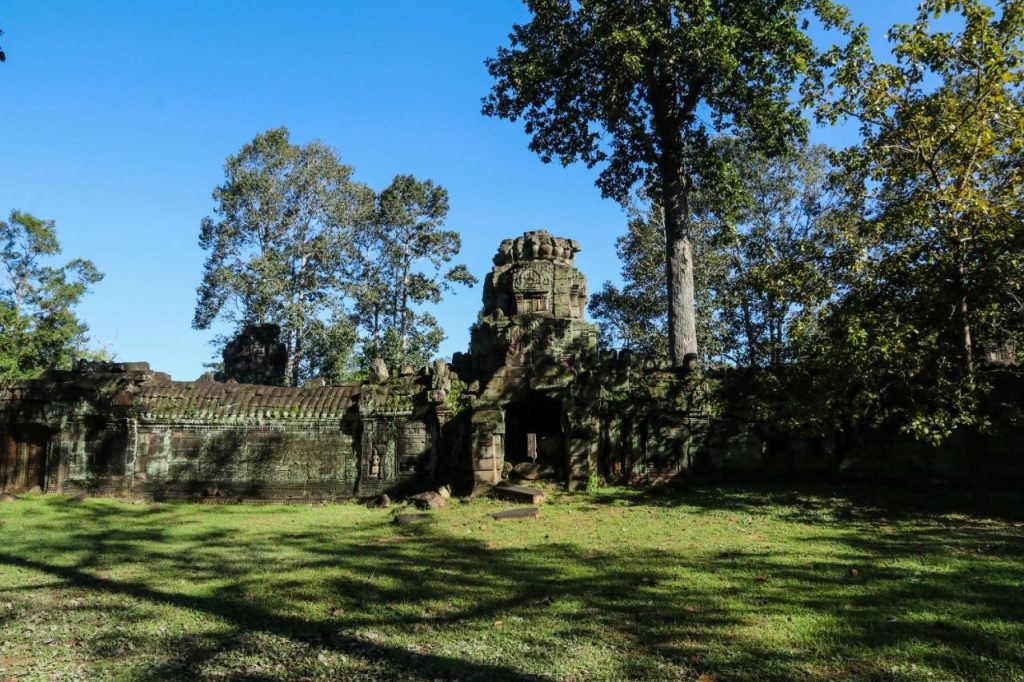
ប្រាសាទបន្ទាយប្រី គឺជាសំណង់សាសនាលាក់ខ្លួនមួយ ស្ថិតក្នុងតំបន់រមណីយដ្ឋានបេតិកភណ្ឌពិភពលោកអង្គរ។ ប្រាសាទដ៏ស្ងប់ស្ងាត់មួយនេះ មិនត្រឹមតែជានិមិត្តរូបនៃស្ថាបត្យកម្មដ៏ប្រណីតប៉ុណ្ណោះទេ ប៉ុន្តែថែមទាំងជាទីតាំងដែលបង្ហាញពីកិច្ចសន្ទនាដ៏ល្អឥតខ្ចោះរវាងសំណង់បុរាណ និងទេសភាពវប្បធម៌ជុំវិញ ដែលទាក់ទាញចំណាប់អារម្មណ៍អ្នកទេសចរ និងអ្នកសិក្សាស្រាវជ្រាវ បានយ៉ាងជ្រាលជ្រៅ។
តាមផ្នែកភូមិសាស្ត្រ ប្រាសាទបន្ទាយប្រីមានទីតាំងស្ថិតនៅក្នុងភូមិលាងដៃ ឃុំលាងដៃ ស្រុកអង្គរធំ ខេត្តសៀមរាប។ សក្ការភូមិមួយនេះ ត្រូវបានកសាងឡើងនាចុងសតវត្សរ៍ទី១២ និងដើមសតវត្សរ៍ទី១៣ ក្នុងរជ្ជកាលព្រះបាទជ័យវរ្ម័នទី៧ ដើម្បីឧទ្ទិសថ្វាយក្នុងព្រះពុទ្ធសាសនាមហាយាន តាមរយៈរចនាបថបាយ័នដ៏រស់រវើក។
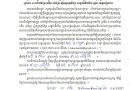
ទោះបីជាសំណង់ប្រាសាទនេះមានទំហំតូចល្មម និងពុំសូវមានសិលាចារឹករៀបរាប់វែងឆ្ងាយដូចប្រាសាទធំៗដទៃទៀតក្តី ប៉ុន្តែតម្លៃប្រវត្តិសាស្ត្រដែលលាក់ខ្លួននៅលើស៊ុមទ្វារ គឺពិតជាមានសារៈសំខាន់ជាសារវន្ត។ ផ្ទាំងសិលាចារឹកខ្លីៗទាំងនោះ ជាតម្រុយប្រវត្តិសាស្ត្រដ៏វិសេសវិសាលក្នុងការស្វែងយល់ពីព្រលឹង និងរចនាសម្ព័ន្ធសង្គមសម័យនោះ។ ជាក់ស្តែង ផ្អែកលើលទ្ធផលនៃការសិក្សាស្រាវជ្រាវលើសិលាចារឹកលេខ K.526 ដែលមានកម្រាស់៤បន្ទាត់ បានបង្ហាញព័ត៌មានយ៉ាងសំខាន់៖
– ៣បន្ទាត់ខាងលើ៖ គឺជាការចារឹកណែនាំ និងថ្វាយព្រះនាមដល់ទេពផ្សេងៗ រួមមាន៖ កម្រតេង ជគត ឝ្រីរាជឝិល្បីន្ទ្រេឝ្វរ, កម្រតេង ជគត ឝ្រីចន្ទ្រេឝ្វរ, និង កម្រតេង ជគត ឝ្រីឝាន្តីឝ្វរី។
– បន្ទាត់ខាងក្រោម៖ បានផ្តល់ព័ត៌មានជាប្រវត្តិសាស្ត្រអំពីអត្តសញ្ញាណរបស់បុគ្គលជាន់ខ្ពស់ដែលមានសទ្ធាជ្រះថ្លាក្នុងការស្ថាបនាសំណង់សាសនានេះ គឺ «តិវ្រះអំតេងរាជឝិល្បិស្ថាបនា» (ព្រះអង្គម្ចាស់ រាជសិល្បិ ជាអ្នកស្ថាបនា)។
ស្ថាបត្យកម្មដែលសង់ឡើងពីថ្មភក់នៃប្រាសាទបន្ទាយប្រី បានឈរជើងយ៉ាងរឹងមាំឆ្លងកាត់ការសឹករេចរិល ដោយសារអាយុកាលរាប់រយឆ្នាំ និងអាកាសធាតុ។ នាពេលបច្ចុប្បន្ន ក្រោមការយកចិត្តទុកដាក់ និងកិច្ចខិតខំប្រឹងប្រែងខ្ពស់ពីអាជ្ញាធរជាតិអប្សរា ក្រុមអ្នកជំនាញបាននិងកំពុងដំណើរការការងារអភិរក្ស ស្រាវជ្រាវ ធ្វើសម្រង់ប្លង់ និងធ្វើកំណាយ ដើម្បីស្វែងរកបំណែកថ្មយកមកផ្គុំឡើងវិញតាមបច្ចេកទេសបុរាណវិទ្យា (Anastylosis)។ កិច្ចការដ៏មានតម្លៃនេះ មិនត្រឹមតែដាស់ព្រលឹងស្ថាបត្យកម្មខ្មែរឱ្យរស់ឡើងវិញ និងរក្សាបាននូវសមតុល្យទេសភាពវប្បធម៌ជុំវិញប៉ុណ្ណោះទេ ប៉ុន្តែថែមទាំងជាការបន្សល់ទុកនូវមរតកចំណេះដឹង និងសម្បត្តិបេតិកភណ្ឌដ៏វិសេសវិសាល សម្រាប់អ្នកសិក្សាស្វែងយល់ និងមនុស្សជាតិជំនាន់ក្រោយៗតទៅមុខទៀត៕
អត្ថបទ៖ ការិយាល័យផ្សព្វផ្សាយ
រូបភាព៖ ភោគ ជា
Banteay Prei Temple is a hidden gem within the Angkor World Heritage Site. This tranquil sanctuary is not only admired for its elegant architecture but also for the harmonious relationship between its ancient structures and the surrounding cultural landscape, making it a place of great interest to both visitors and researchers.
Located in Leang Dai Village, Leang Dai Commune, Angkor Thom District, Siem Reap Province, Banteay Prei Temple was built in the late 12th to early 13th century during the reign of King Jayavarman VII. Constructed in the distinctive Bayon style, it was dedicated to Mahayana Buddhism.
Although relatively small and lacking the lengthy inscriptions found at many larger temples, Banteay Prei possesses remarkable historical significance through the short inscriptions carved on its doorframes. These inscriptions provide valuable clues for understanding the religious beliefs and social organization of the Angkorian period. Research on the four-line inscription K.526 has revealed important information:
-The first three lines introduce and dedicate the names of various deities.
-The fourth line records the identity of the high-ranking official who commissioned the construction of this religious monument.
Despite centuries of natural weathering, the temple’s sandstone architecture has remained remarkably resilient. Today, under the dedicated stewardship of the APSARA National Authority, conservation specialists continue to carry out restoration, archaeological research, and excavations to recover scattered stone fragments. These are carefully reassembled using the archaeological conservation method known as anastylosis.
This ongoing conservation effort not only revives the architectural legacy of the Khmer Empire and preserves the harmony of the surrounding cultural landscape, but also safeguards invaluable historical knowledge and cultural heritage for future generations and the world.
Article by: Office of Communication
Photos by: Phouk Chea
Translation by: Net Phirun
Translation by Net Phirun