
ការសិក្សាពីប្រវត្តិសិល្បៈមិនត្រឹមតែជាការទស្សនាផ្ទាំងទស្សនីយភាពនៃសំណង់បុរាណប៉ុណ្ណោះទេ ប៉ុន្តែវាគឺជាសោគន្លឹះ ដ៏សំខាន់ក្នុងការបើកកកាយអាថ៌កំបាំង និងតម្រុយប្រវត្តិសាស្ត្រនៃប្រាសាទនានា ដូចជាសម័យកាលនៃការសាងសង់ និងទម្រង់វិវត្តនៃស្ថាបត្យកម្មពីសម័យកាលមួយទៅសម័យកាលមួយ។
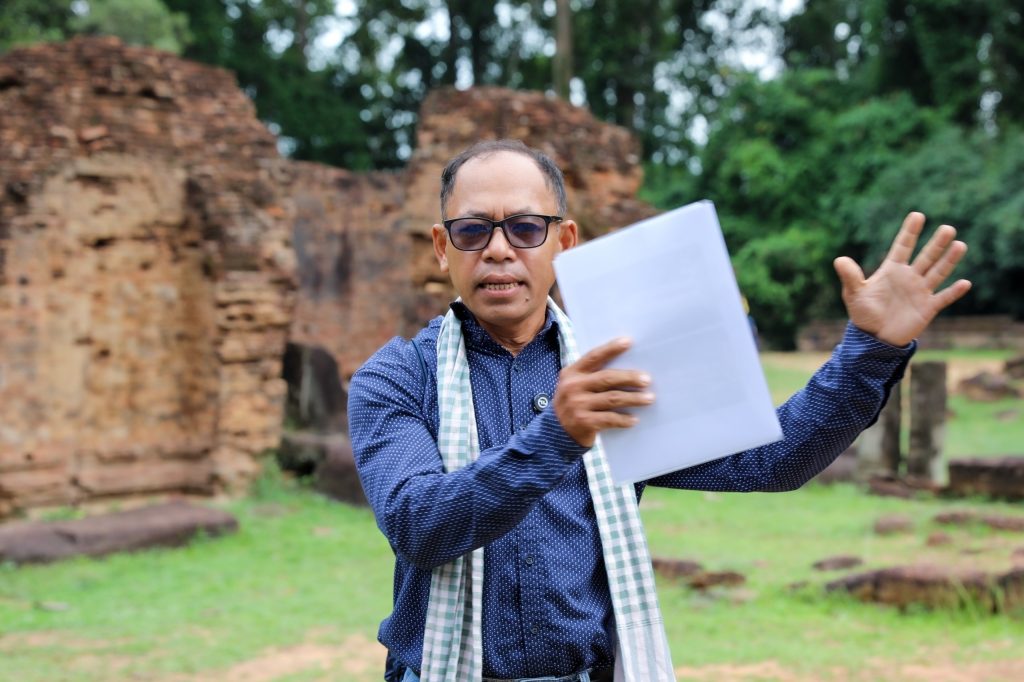
លោក អន សុភាព បុរាណវិទូនៃអាជ្ញាធរជាតិអប្សរា បានពន្យល់ថា ក្រៅពីទិន្នន័យអាយុកាលដែលបានមកពីការធ្វើកំណាយស្រាវជ្រាវតាមបែបបុរាណវិទ្យា ការសិក្សាប្រៀបធៀបទៅលើ «រចនាបថសិល្បៈ» របស់ប្រាសាទនីមួយៗ គឺជាវិធីសាស្ត្រគន្លឹះដែលជួយឱ្យអ្នកស្រាវជ្រាវអាចកំណត់ប្រវត្តិនៃការសាងសង់របស់ប្រាសាទទាំងនោះបានយ៉ាងច្បាស់លាស់។ វិវត្តនៃរចនាបថសិល្បៈខ្មែរ ពីមុនសម័យអង្គរដល់សម័យអង្គរ បានបង្ហាត់បង្ហាញនៅក្នុងវគ្គបណ្តុះបណ្តាល នៃកម្មវិធីអប់រំបេតិកភណ្ឌ ជូនដល់សិស្សានុសិស្សនៃវិទ្យាល័យ ហ៊ុន សែន ប្រាសាទបាគង។ លោក អន សុភាព បានគូសបញ្ជាក់ថា ផ្អែកលើការសិក្សាកន្លងមក អ្នកជំនាញបានបែងចែករចនាបថសិល្បៈក្នុងសម័យបុរាណជា២ ដំណាក់កាលធំៗ រួមមាន ១៤ រចនាបថផ្សេងគ្នា៖
– មុនសម័យអង្គរ (មាន៤រចនាបថ)៖ រចនាបថភ្នំដា, សំបូរព្រៃគុក, ព្រៃក្មេង និងកំពង់ព្រះ។
– សម័យអង្គរ (មាន១០រចនាបថ)៖ រចនាបថគូលែន ព្រះគោ បាខែង កោះកេរ ប្រែរូប បន្ទាយស្រី ឃ្លាំង បាភួន អង្គរវត្តនិងបាយ័ន។
តើហេតុអ្វីបានជាត្រូវបែងចែករចនាបថសិល្បៈ? ពីព្រោះប្រាសាទបុរាណមួយចំនួនធំ ពុំមានបន្សល់ទុកសិលាចារឹកដើម្បីប្រាប់យើងពីព័ត៌មានទូទៅនោះឡើយ។ តួយ៉ាង ប្រាសាទអង្គរវត្ត ដែលជាកំពូលស្ថាបត្យកម្មដ៏ធំស្កឹមស្កៃ ក៏ពុំមានសិលាចារឹកណាមួយបញ្ជាក់ផ្ទាល់ពីកាលបរិច្ឆេទនៃការសាងសង់នោះដែរ។ ហេតុនេះហើយ ទើបអ្នកបុរាណវិទ្យាត្រូវប្រើប្រាស់វិធីសាស្ត្រ «សិក្សាប្រៀបធៀប» ដោយផ្អែកលើធាតុផ្សំសំខាន់ៗចំនួន២គឺ៖ ផ្នែកស្ថាបត្យកម្ម និងលម្អស្ថាបត្យកម្ម ដែលពិនិត្យមើលរូបរាងប្លង់ ផ្តែរ ហោជាង សសរពេជ្រ និងសសរផ្អោប និង ផ្នែកបដិមាសាស្ត្រ ឬចម្លាក់ ដោយសិក្សាទៅលើទម្រង់ រូបរាង ចរិតលក្ខណៈនៃរូបបដិមា និងរឿងរ៉ាវដែលឆ្លាក់រៀបរាប់នៅលើជញ្ជាំងប្រាសាទ។
ការសិក្សាស្វែងយល់ពីប្រវត្តិសិល្បៈខ្មែរ គឺជារឿងរ៉ាវដ៏មានតម្លៃដែលមិនអាចមើលរំលងបានឡើយ ព្រោះវាជាមត៌កវប្បធម៌ដ៏សម្បូរបែបដែលបានចាក់ឫសយ៉ាងជ្រៅ និងបន្តរស់រានរហូតមកដល់បច្ចុប្បន្ន។
លោក អន សុភាព បានសង្កត់ធ្ងន់ថា ក្នុងនាមជាយុវជនបន្តវេន ជាពិសេសប្អូនៗយុវជនដែលរស់នៅតំបន់ជុំវិញរមណីយដ្ឋានប្រាសាទបុរាណផ្ទាល់ គឺមានតួនាទីយ៉ាងសំខាន់មិនអាចខ្វះបាន ក្នុងការសិក្សាឈ្វេងយល់ ចូលរួមថែរក្សា និងអភិរក្សមត៌កបេតិកភណ្ឌជាតិដ៏អស្ចារ្យទាំងនេះ ឱ្យបានគង់វង្សស្ថិតស្ថេរជាដរាបរៀងទៅអនាគត៕
អត្ថបទ៖ នាង សំណាង
រូបភាព៖ ស៊ិន ប្រណី
Studying art history is more than admiring the grandeur of ancient monuments—it is an essential key to uncovering the historical clues hidden within temples, including their construction periods and the evolution of architectural forms across different eras.
Mr. An Sopheap, an archaeologist at the APSARA National Authority, explained that while archaeological excavations provide valuable dating evidence, comparative studies of artistic styles remain one of the most effective methods for determining the construction history of ancient temples.
These concepts were presented during a heritage education training program for students from Hun Sen Prasat Bakong High School, where participants learned about the evolution of Khmer art from the pre-Angkorian to the Angkorian periods. According to Mr. An Sopheap, scholars have classified ancient Khmer art into two major phases comprising 14 distinct styles:
Pre-Angkorian Period (4 styles):
-Phnom Da
-Sambor Prei Kuk
-Prei Khmeng
-Kampong Preah
Angkorian Period (10 styles):
-Kulen
-Preah Ko
-Bakheng
-Koh Ker
-Pre Rup
-Banteay Srei
-Khleang
-Baphuon
-Angkor Wat
-Bayon
Why is this classification important? Many ancient temples lack inscriptions that provide historical information. For example, although Angkor Wat is one of the world’s greatest architectural masterpieces, it contains no inscription that directly records its construction date. As a result, archaeologists rely on comparative analysis of two principal elements: architecture and architectural decoration.
Architectural analysis examines features such as the overall layout, structural design, lintels, pediments, and pillars. Decorative analysis focuses on sculpture, including the style and characteristics of statues as well as the narratives depicted in the temple’s bas-reliefs.
The study of Khmer art history is invaluable because it reveals the remarkable development of Cambodia’s cultural heritage—one that has endured for centuries and continues to inspire the present day.
Mr. An Sopheap concluded by encouraging the younger generation, particularly those living near ancient temple sites, to deepen their understanding of Khmer heritage and actively participate in its protection and preservation. Their involvement, he noted, is essential to ensuring that these priceless cultural treasures are safeguarded for future generations.
Article by: Neang Samnang
Photos by: Sin Broney
Translation by: Net Phirun


