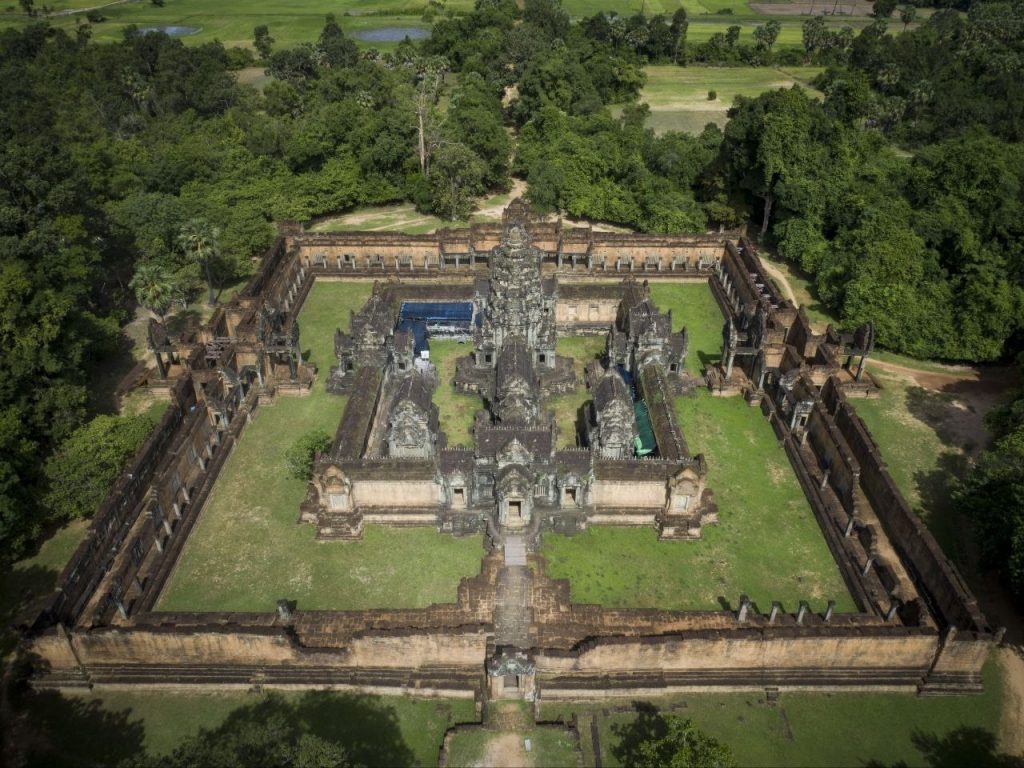
បើទោះបីជាមិនសូវមានសិលាចារឹកចារិកទុកច្បាស់លាស់ដូចប្រាសាទដទៃ ប៉ុន្តែ «ប្រាសាទបន្ទាយសំរ៉ែ» ត្រូវបានអ្នកជំនាញសិល្បៈនិងស្ថាបត្យកម្មបុរាណចាត់ទុកថាជា ត្បូងពេជ្រលាក់ខ្លួនមួយ ដោយសារតែក្បាច់ចម្លាក់ដ៏រស់រវើក និងសំណង់ស្ថាបត្យកម្មដ៏មានលំនឹងល្អឥតខ្ចោះ ស្រដៀងគ្នានឹងប្រាសាទអង្គរវត្ត។
ប្រាសាទបន្ទាយសំរ៉ែ ស្ថិតនៅក្នុងភូមិព្រះដាក់ ឃុំព្រះដាក់ ស្រុកបន្ទាយស្រី ខេត្តសៀមរាប។ ទីតាំងនេះស្ថិតនៅខាងកើតបារាយណ៍យសោធរតដាក (បារាយណ៍ខាងកើត) មានចម្ងាយប្រហែល ២ គីឡូម៉ែត្រ ពីភូមិព្រះដាក់ និងស្ថិតនៅខាងត្បូងផ្លូវធ្វើដំណើរពីភូមិព្រះដាក់ទៅភ្នំបូក។
តើឈ្មោះ «បន្ទាយសំរ៉ែ» មានប្រភពមកពីណា?
ពាក្យថា «បន្ទាយ» គឺសំដៅលើសំណង់ដែលមានកំពែងរឹងមាំព័ទ្ធជុំវិញ។ ចំណែកពាក្យថា «សំរ៉ែ» គឺជាឈ្មោះនៃក្រុមជនជាតិដើមភាគតិចមួយពួកដែលរស់នៅក្នុងប្រទេសកម្ពុជាតាំងពីបុរាណកាល។ ការហៅឈ្មោះនេះ គឺតភ្ជាប់គ្នារវាងរូបរាងប្រាសាទ ប្រវត្តិសាស្ត្រពិត ក៏ដូចរឿងព្រេងដែរ។ តាមការស្រាវជ្រាវ នៅក្នុងតំបន់ភូមិប្រដាក កាលដើមឡើយ គឺមានបងប្អូនជនជាតិភាគតិចសំរ៉ែរស់នៅពិតប្រាកដ ហើយប្រជាជនរស់នៅទីនោះសព្វថ្ងៃ ក៏ត្រូវគេជឿថាមានដូនតាជាជនជាតិសំរ៉ែផងដែរ។ លើសពីនេះ បងប្អូនជនជាតិសំរ៉ែនៅតំបន់ភ្នំក្រវាញក៏បានតំណាលតៗគ្នាមកថា ពួកគេមានខ្សែស្រឡាយបងប្អូននៅតំបន់អង្គរ ដែលប្រហែលជាមានទំនាក់ទំនងអ្វីមួយនឹងប្រាសាទបន្ទាយសំរ៉ែនេះ។
ផ្អែកលើការសិក្សាប្រៀបធៀបរចនាបថសិល្បៈ ដែលដូចគ្នាបេះបិទទៅនឹងរចនាបថអង្គរវត្ត នាំឲ្យអ្នកប្រវត្តិសាស្ត្របានសន្និដ្ឋានថា ប្រាសាទបន្ទាយសំរ៉ែត្រូវបានកសាងឡើងនៅពាក់កណ្តាលគ្រិស្តសតវត្សទី១២ ក្នុងរជ្ជកាលព្រះបាទសូរ្យវម៌ទី២ ដើម្បីឧទ្ទិសដល់ព្រហ្មញ្ញសាសនា និកាយវិស្ណុនិយម (ព្រះនារាយណ៍)។
ប្រាសាទនេះកសាងឡើងដោយការផ្សំគ្នារវាងថ្មភក់ (ប្រើសម្រាប់តួប្រាសាទ ក្បាច់ចម្លាក់ ទ្វារ បង្អួច) និងថ្មបាយក្រៀម (ប្រើសម្រាប់គ្រឹះ និងជញ្ជាំងថែវព័ទ្ធជុំវិញ)។ កាលដើមឡើយ ដំបូលថែវព័ទ្ធជុំវិញប្រាសាទ ធ្វើអំពីឈើនិងប្រក់ក្បឿង ដែលបច្ចុប្បន្នបានបាក់បែកអស់ ដោយបន្សល់ទុកតែស្លាកស្នាមប្រហោងឈើសម្រាប់ទប់ទល់ដំបូលនៅលើជញ្ជាំងតែប៉ុណ្ណោះ។ មានផ្លូវដើរលយទៅទិសខាងកើតប្រវែងប្រហែល ២០០ ម៉ែត្រ អមដោយបង្កាន់ដៃនាគយ៉ាងស្កឹមស្កៃ និងមានរូបសំណាកតោមួយគូឈរយាមល្បាតនៅច្រកចូលយ៉ាងរឹងមាំ។
នៅសងខាងផ្លូវចូលតួប៉មខឿនកណ្តាល មានអាគារហោត្រៃចំនួនពីរធ្វើអំពីថ្មភក់ លើកកម្ពស់ផុតពីដី។ ហោត្រៃទាំងនេះមានទ្វារពិតបែរទៅទិសខាងលិច (ឆ្ពោះទៅតួប្រាសាទ) និងទ្វារបញ្ឆោតលម្អក្បាច់បែរទៅទិសខាងកើត ដោយមានហោជាងចម្លាក់រឿងទេវកថាយ៉ាងល្អប្រណីត។ ប្រាសាទនេះមានថែវព័ទ្ធជុំវិញចំនួនពីរជាន់។ ថែវជាន់ក្រៅមានសភាពបាក់បែកខូចខាតខ្លាំង ប៉ុន្តែនៅតាមខ្លោងទ្វារគ្រប់ទិសទាំងបួន សុទ្ធតែមានការលម្អដោយចម្លាក់រឿងរ៉ាវទេវកថាយ៉ាងរស់រវើក។ អ្វីដែលពិសេសនោះគឺ ក្រៅពីឡោមព័ទ្ធដោយរឿងរ៉ាវក្នុងព្រហ្មញ្ញសាសនា ប្រាសាទនេះក៏មានលាយឡំនូវចម្លាក់ទាក់ទងនឹងព្រះពុទ្ធសាសនាផងដែរ ដែលឆ្លុះបញ្ចាំងពីការរួមរស់នៅចុះសម្រុងគ្នា នៃសាសនាទាំងពីរក្នុងសម័យនោះ។
ក្តីកណ្តាលមានរាងជាអក្សរ «T» លយទៅទិសខាងកើត មានទ្វារចំហពិតប្រាកដមួយ និងទ្វារបញ្ឆោតចំនួនបី (ជើង ត្បូង លិច) ដែលជិតខ្ទប់ ប៉ុន្តែលម្អដោយក្បាច់ចម្លាក់ផ្ទាំងទ្វារយ៉ាងហ្មត់ចត់។ មានអាថ៌កំបាំងមួយនៅខាងក្នុងចំកណ្តាលក្តី មានប្រអប់ថ្មភក់មួយមានគម្រប និងមានចំពួយ ឬប្រហោងបង្ហូរទឹកនៅបាតខាងក្រោម។ ទោះបីជាវាមានរូបរាងដូច «មឈូស» ប៉ុន្តែអ្នកជំនាញជឿជាក់ថា មិនមែនសម្រាប់ដាក់សាកសពនោះទេ។ ដូចទំនងជាប្រើប្រាស់ជា «កោដ្ឋ» ថ្ម សម្រាប់តម្កល់ធាតុអ្នកស្លាប់ក្រោយបូជាហើយ។
ប្រាសាទបន្ទាយសំរ៉ែ មិនត្រឹមតែជាកេរដំណែលស្ថាបត្យកម្មដ៏កំពូលនៃសម័យអង្គរប៉ុណ្ណោះទេ ប៉ុន្តែជាសក្ខីភាពប្រវត្តិសាស្ត្រដ៏រស់រវើក ដែលបង្ហាញពីការតភ្ជាប់គ្នារវាងជំនឿ សាសនា និងការរស់នៅរបស់សហគមន៍មនុស្ស (ជនជាតិសំរ៉ែ) នៅក្នុងតំបន់ឧទ្យានអង្គរតាំងពីបុរាណកាលមក។
អត្ថបទ៖ ការិយាល័យផ្សព្វផ្សាយ
រូបភាព៖ រដ្ឋ ផល្លីន
Although it does not have as many surviving inscriptions as other Angkorian temples, Banteay Samre Temple is regarded by experts in ancient art and architecture as one of Angkor’s hidden gems. Its exquisite carvings and remarkably balanced architectural design closely resemble those of Angkor Wat.
Banteay Samre Temple is located in Preah Dak Village, Preah Dak Commune, Banteay Srei District, Siem Reap Province. It stands east of the Yashodharatataka (East Baray), approximately 2 kilometers from Preah Dak Village and south of the road leading from Preah Dak Village to Phnom Bok.
Where Does the Name “Banteay Samre” Come From?
The word “Banteay” means a fortified structure enclosed by walls, while “Samre” refers to an indigenous ethnic group that has lived in Cambodia since ancient times. The temple’s name reflects a connection between its architectural form, historical evidence, and local legend.
Research suggests that the area around present-day Preah Dak Village was once inhabited by the Samre people, and many local residents today are believed to be their descendants. Moreover, Samre communities living in the Kravanh Mountains have long claimed kinship with people in the Angkor region, suggesting a possible historical link with Banteay Samre Temple.
Based on comparisons of its architectural style, which closely matches that of Angkor Wat, historians conclude that Banteay Samre Temple was built in the mid-12th century during the reign of King Suryavarman II and dedicated to the Hindu god Vishnu.
The temple was constructed using sandstone for the main structures, carvings, doors, and windows, while laterite was used for the foundations and enclosure walls. Its roof was originally made of wood and clay tiles, which have completely disappeared over time. Today, only the beam holes in the walls remain as evidence of the former wooden roof structure.
A 200-meter-long causeway extends eastward from the temple, flanked by naga balustrades, while a pair of sandstone lion statues stand guard at the entrance.
On either side of the entrance to the central sanctuary are two elevated sandstone libraries. Each features a functional doorway facing west toward the temple and a beautifully decorated false door facing east, adorned with intricate mythological carvings.
The temple is enclosed by two levels of galleries. Although the outer galleries are now heavily deteriorated, the four entrance gateways remain richly decorated with vivid mythological scenes. A particularly remarkable feature is the harmonious combination of both Hindu and Buddhist carvings, reflecting the peaceful coexistence of the two religions during that period.
The central sanctuary has a T-shaped plan facing east, with one functional entrance and three elaborately decorated false doors on the north, south, and west sides. Inside the sanctuary lies a mysterious sandstone container with a fitted lid and a drainage hole at its base. Although it resembles a coffin, archaeologists believe it was not intended for a body. Instead, it was most likely used as a stone urn to hold cremated remains.
More than an architectural masterpiece, Banteay Samre Temple stands as a living testament to the close relationship between faith, religion, and the Samre community that once flourished within the Angkor region. It continues to preserve invaluable evidence of Cambodia’s rich cultural and spiritual heritage.
Article by the Office of Communication
Photos by Rath Phallin
Translation by Net Phirun