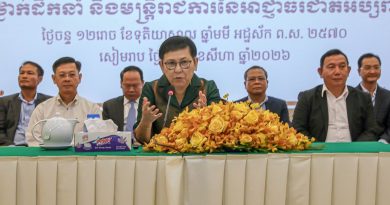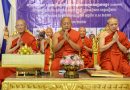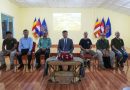
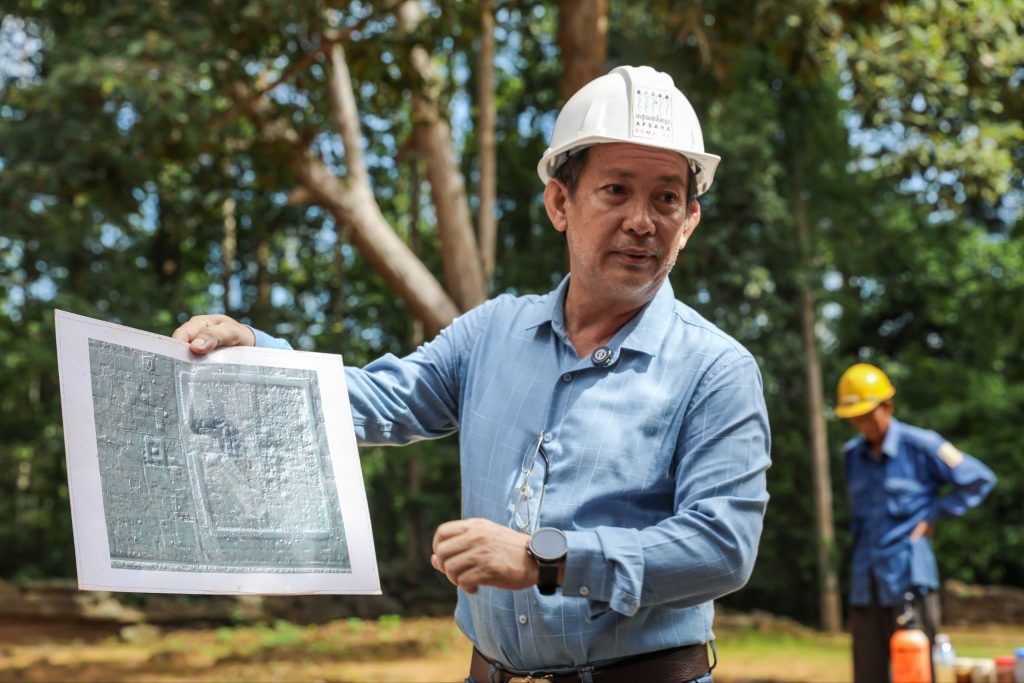
តាមរយៈវគ្គបណ្តុះបណ្តាលផ្សព្វផ្សាយស្តីពី «ប្រវត្តិសាស្ត្រ និងកិច្ចអភិរក្សទីក្រុងហរិហរល័យ» ដែលរៀបចំឡើងដោយអាជ្ញាធរជាតិអប្សរា នាពេលថ្មីៗនេះ លោក សារ៉ាយ គឹមហួល អ្នកគ្រប់គ្រងការដ្ឋានជួសជុលប្រាសាទក្នុងតំបន់រលួស បានធ្វើបទបង្ហាញអំពីបច្ចេកទេស ក៏ដូចជាចែករំលែកបទពិសោធន៍នៃ «ការអភិរក្ស និងជួសជុលប្រាសាទព្រះគោ» ជូនដល់សិស្ស-និស្សិតចំនួន ៥០នាក់ មកពីវិទ្យាល័យហ៊ុនសែនប្រាសាទបាគង។
វគ្គបណ្តុះបណ្តាលនេះ ធ្វើឡើងក្នុងគោលបំណងបណ្តុះគំនិតយុវជនឱ្យចេះស្រឡាញ់ លើកតម្លៃមត៌កវប្បធម៌ និងចូលរួមថែរក្សាការពារសម្បត្តិបេតិកភណ្ឌនៅក្នុងសហគមន៍របស់ខ្លួន។
លោក សារ៉ាយ គឹមហួល បានលើកឡើងថា ការងារជួសជុល និងអភិរក្សប្រាសាទបុរាណ ទាមទារឱ្យមានការអត់ធ្មត់ខ្ពស់ ក្ដីស្រឡាញ់ និងការប្រើប្រាស់បច្ចេកទេសត្រឹមត្រូវ ស្របតាមគោលការណ៍នៃធម្មនុញ្ញអង្គរ និងគណៈកម្មការអាយស៊ីស៊ី-អង្គរ និងសំបូរព្រៃគុក (ICC-Angkor/Sambor Prei Kuk)។ ការអនុវត្តបច្ចេកទេសជួសជុលត្រឹមត្រូវ មានសារប្រយោជន៍បំផុតក្នុងការរក្សាអាយុជីវិតប្រាសាទ និងតម្លៃជាសម្បត្តិបេតិកភណ្ឌពិភពលោក ដោយធានាថាការជួសជុលមិនធ្វើឱ្យបាត់បង់ទម្រង់ដើម និងជួយការពាររចនាសម្ព័ន្ធសំណង់ពីការខូចខាត។
អ្នកជំនាញរូបនេះបានបញ្ជាក់ថា វិធីសាស្រ្ដលាយកំបោរបាយអតាមបែបបុរាណ មានសារសំខាន់ណាស់ក្នុងការជួសជុលប្រាសាទឥដ្ឋ ដើម្បីភ្ជាប់ឥដ្ឋឱ្យជាប់គ្នា បិទស្នាមតំណ ឬស្នាមប្រេះជញ្ជាំង និងជួយការពារការជ្រាបទឹក។ បច្ចុប្បន្ន ការជួសជុលប្រាសាទឥដ្ឋត្រូវការកំបោរបាយអជាចាំបាច់ ហើយកូនខ្មែរជំនាន់នេះនៅតែអាចផ្សំសារធាតុផ្សេងៗធ្វើជាកំបោរបាយអ បន្តវេនពីបុព្វបុរស។ វត្ថុធាតុដើមសម្រាប់លាយបាយអ រួមមាន៖ កំបោរលៀស កម្ទេចឥដ្ឋនិងដីខ្សាច់ លាយជាមួយស្ករត្នោត ធ្យូងនិងកាវស្បែកគោ។ គ្រឿងផ្សំទាំងនេះត្រូវលាយតាមរង្វាស់រង្វាល់កំណត់ច្បាស់លាស់ ដើម្បីទទួលបានបាយអដែលមានគុណភាពរឹងមាំ។ វិធីសាស្ត្រនេះសមស្របបំផុតសម្រាប់ប្រាសាទបុរាណ ដោយមិនបង្កប្រតិកម្មគីមី និងចៀសវាងការប្រើប្រាស់ស៊ីម៉ង់ត៍ ដែលបច្ចេកទេសនេះក៏ទទួលបានការឯកភាពពីក្រុមអ្នកជំនាញការអាយស៊ីស៊ី-អង្គរ ផងដែរ។ ដោយឡែក ចំពោះការប្រើប្រាស់សម្ភារ លោកបានបន្ថែមថា ត្រូវប្រមូលឥដ្ឋចាស់ៗដែលរលុះធ្លាក់ ហើយនៅមានគុណភាពល្អ យកមកប្រើប្រាស់ឡើងវិញឱ្យអស់ពីលទ្ធភាព ជាពិសេសរៀបនៅផ្នែកខាងក្រៅ ដើម្បីឱ្យពណ៌នៃផ្ទៃជួសជុលស៊ីគ្នានឹងឥដ្ឋបុរាណ។ ចំណែកឯឥដ្ឋថ្មីដែលយកមកជំនួស ត្រូវតែមានទំហំប៉ុនឥដ្ឋដើម និងត្រូវបានដុតក្នុងសីតុណ្ហភាពខ្ពស់ ដើម្បីឱ្យមានគុណភាពប្រហាក់ប្រហែលនឹងឥដ្ឋបុរាណ។
បច្ចុប្បន្ននេះ ប្រាសាទជាច្រើននៅក្នុងតំបន់រលួស រួមទាំងប្រាសាទព្រះគោផង ត្រូវបានអាជ្ញាធរជាតិអប្សរា ជួសជុលសង្គ្រោះឱ្យរួចផុតពីហានិភ័យហើយ។ លើសពីនេះ លោក គឹមហួល ក៏បានបង្ហាញពីផែនការ និងគម្រោងជួសជុល-អភិរក្សនៅផ្នែកផ្សេងៗទៀត ដែលប្រឈមនឹងការខូចខាតឱ្យបានទាន់ពេលវេលា ដើម្បីឱ្យប្រាង្គប្រាសាទទាំងនោះនៅគង់វង្សសម្រាប់កូនចៅជំនាន់ក្រោយ។
លោកបានសង្កត់ធ្ងន់ថា កិច្ចការអភិរក្ស និងជួសជុលប្រាសាទគឺជាស្ពានតភ្ជាប់អតីតកាល និងបច្ចុប្បន្ន។ ក្នុងនាមជាយុវជនជំនាន់ក្រោយ ឬអ្នកបន្តវេន ត្រូវតែយល់ដឹងអំពីប្រវត្តិសាស្ត្រ អត្តសញ្ញាណជាតិ និងស្ថាបត្យកម្មឱ្យបានស៊ីជម្រៅ។ វគ្គបណ្តុះបណ្តាលនេះ មិនត្រឹមតែជួយបណ្តុះមនសិការស្នេហាជាតិ និងពង្រឹងអត្តសញ្ញាណវប្បធម៌ប៉ុណ្ណោះទេ ប៉ុន្តែថែមទាំងផ្តល់ឱកាសដល់យុវជនក្នុងការអភិវឌ្ឍជំនាញវិជ្ជាជីវៈ ដូចជាផ្នែកបុរាណវិទ្យា និងស្ថាបត្យកម្ម ដើម្បីបន្តវេនថែរក្សា និងលើកកម្ពស់មត៌កដូនតាកាន់តែលេចធ្លោថែមទៀតនៅលើឆាកអន្តរជាតិ៕
អត្ថបទ: យី សុថា
រូបភាព: ស៊ិន ប្រណី / សារ៉ាយ គឹមហួល
As part of the recent training course on “History and Conservation of Hariharalaya” organized by the APSARA National Authority, Mr. Saray Kimhual, Manager of the Temple Restoration Site in the Roluos Region, delivered a presentation on the conservation and restoration techniques of Preah Ko Temple to 50 students from Hun Sen Prasat Bakong High School. The program aimed to deepen local youth’s understanding of their role as custodians of their homeland and future guardians of Cambodia’s invaluable cultural heritage.
During the session, Mr. Saray Kimhual explained that conserving and restoring ancient temples requires patience, dedication, and the application of appropriate techniques in accordance with the principles of the Angkor Charter and the ICC-Angkor/Sambor Prei Kuk. Proper restoration methods help preserve the authenticity and structural integrity of historic monuments while maintaining their Outstanding Universal Value as World Heritage sites.
He emphasized the importance of traditional mortar preparation in the restoration of brick temples. This mortar is used to bond bricks, seal joints and cracks, and prevent water infiltration. Remarkably, the knowledge of producing this traditional mortar has been preserved by today’s Khmer artisans, allowing them to continue the practices of their ancestors. The mortar is made from shell lime, crushed bricks, and sand, combined with palm sugar, charcoal, and cowhide glue in carefully measured proportions to produce a strong and durable mixture. This traditional formula is particularly suitable for ancient monuments because it avoids harmful chemical reactions and eliminates the need for cement. It has also been approved by the expert team of ICC-Angkor/Sambor Prei Kuk.
Regarding restoration materials, Mr. Kimhual explained that original bricks that have fallen but remain in good condition are carefully collected and reused whenever possible, especially on visible exterior surfaces, to ensure that repaired sections blend harmoniously with the original structure. When replacement bricks are necessary, they are manufactured to match the original dimensions and fired at high temperatures to achieve qualities comparable to the ancient bricks.
Today, the APSARA National Authority has successfully restored numerous temples in the Roluos archaeological area, including Preah Ko Temple, helping to safeguard these monuments from further deterioration. Mr. Kimhual also introduced ongoing and future conservation projects designed to address vulnerable sections of the temples before serious damage occurs, ensuring their preservation for future generations.
Concluding his presentation, he stressed that temple conservation and restoration serve as a bridge between the past and the present. For the younger generation, understanding Cambodia’s history, national identity, and architectural heritage is essential. This training course not only fosters patriotism and strengthens cultural identity but also inspires young people to pursue professional careers in fields such as archaeology, architecture, and heritage conservation, enabling them to continue preserving and promoting Cambodia’s ancestral legacy on the international stage.
Article by: Yi Sotha
Photos by: Sin Broney/Saray Kimhual
Translation by: Net Phirun