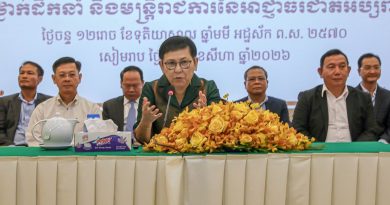
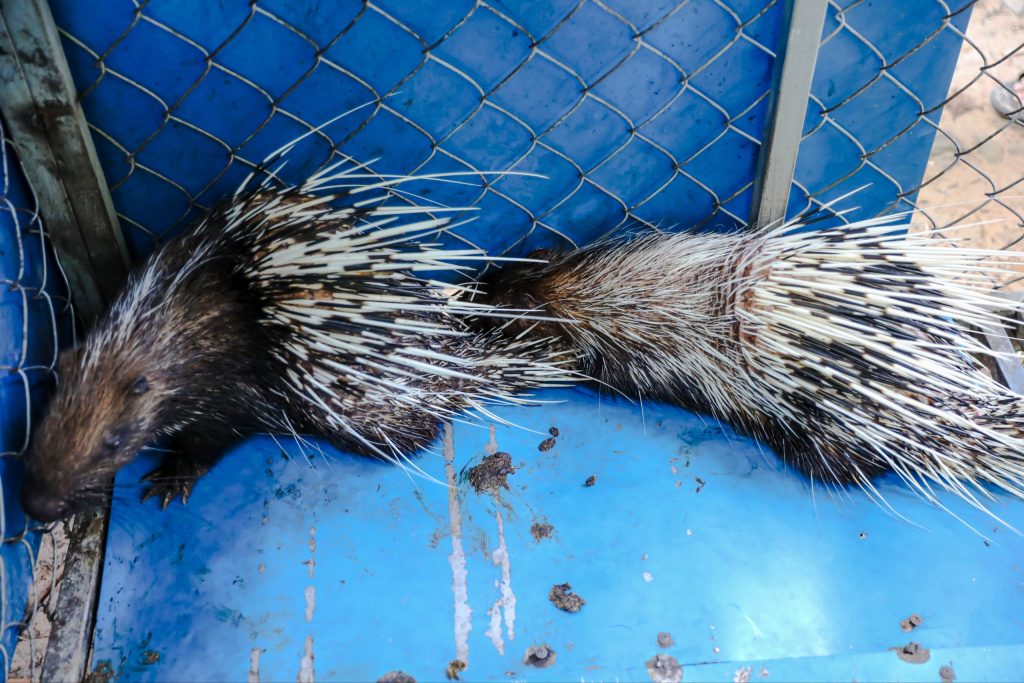
អង្គការគាំពារសត្វព្រៃកម្ពុជា(CWC) បាននាំយកសត្វប្រមាចំនួន២ក្បាលមកប្រគល់ជូនអាជ្ញាធរជាតិអប្សរា នៅរសៀលថ្ងៃទី២៥ ខែឧសភា ឆ្នាំ២០២៦ ដើម្បីផ្សាំងទុកមួយរយៈ មុននឹងព្រលែងឱ្យរស់នៅតាមធម្មជាតិទៅក្នុងព្រៃតំបន់អង្គរ។
លោក ទ្រី ស៊ីថេង ប្រធានអង្គការគាំពារសត្វព្រៃកម្ពុជា(CWC) ឱ្យដឹងថា សត្វប្រមាទាំងពីរក្បាលនេះ គឺលោកបានទទួលពីមេបញ្ជាការយោធាមួយរូប នៅតំបន់អូរស្មាច់ ខេត្តឧត្តរមានជ័យ។
លោកបញ្ជាក់ថា ជាយូរមកហើយ មេបញ្ជាការទាហានម្នាក់ បានចិញ្ចឹមសត្វប្រមា សរុបចំនួន៣ក្បាល ក៏ប៉ុន្តែ ប្រមាមួយក្នុងចំណោមនោះបានចាស់ ហើយងាប់។ បន្ទាប់មក ក៏មានសង្គ្រាមនៅតាមបណ្ដោយព្រំដែនកម្ពុជា-ថៃកើតឡើង។ ដោយសារតែមេបញ្ជាការរូបនោះរវល់រឿងការពារព្រំដែនខ្មែរ ហើយម្យ៉ាងទៀតគាត់ចង់ឱ្យសត្វប្រមាដែលគាត់ចិញ្ចឹមទាំងពីរមានសុវត្ថិភាពផង ក៏ប្រគល់វា មកឱ្យអង្គការគាំពារសត្វព្រៃកម្ពុជាយកមកថែរក្សាតែម្ដង។
លោក ទ្រី ស៊ីថេង បញ្ជាក់ទៀតថា មូលហេតុដែលលោកសម្រេចចិត្តយកសត្វប្រមាទាំងពីរក្បាលមកថែរក្សានៅតំបន់អង្គរ ដោយសារតែលោកចង់ឱ្យភ្ញៀវទេសចរជាតិ និងអន្តរជាតិ នៅពេលមកទស្សនាអង្គរ គឺមិនត្រឹមតែឃើញប្រាសាទបុរាណតែប៉ុណ្ណោះទេ គឺចង់ឱ្យភ្ញៀវទេសចរ បានឃើញទាំងសម្បត្តិធម្មជាតិ និងសត្វព្រៃផងដែរ។
លោក Nick Marx អ្នកជំនាញរបស់អង្គការគាំពារសត្វព្រៃកម្ពុជា(CWC) និងជាទីប្រឹក្សាផ្នែកជីវចម្រុះ របស់អាជ្ញាធរជាតិអប្សរាឱ្យដឹងថា សត្វប្រមាពីរក្បាល ដែលយកមកប្រគល់ជូនអាជ្ញាធរជាតិអប្សរាពេលនេះ មិនទាន់ដោះលែងឱ្យរស់នៅក្នុងព្រៃធម្មជាតិភ្លាមៗបានទេ។ អ្នកជំនាញត្រូវផ្សាំងសត្វទាំងពីរឱ្យស៊ាំនឹងបរិស្ថានជាមុនសិន មុនពេលដោះលែងសត្វទាំងពីរឱ្យទៅរស់នៅក្នុងព្រៃធម្មជាតិដោយខ្លួនឯង។ លោក Nick Marx បញ្ជាក់ទៀតថា នេះជាលើកទី១ហើយ ដែលអង្គការគាំពារសត្វព្រៃកម្ពុជា បានយកសត្វប្រមា មកប្រគល់ជូនអាជ្ញាធរជាតិអប្សរា ឱ្យដោះលែងក្នុងព្រៃអង្គរ។ អ្នកជំនាញសត្វព្រៃរូបនេះ បានបញ្ជាក់ពីសារសំខាន់នៃសត្វប្រមាថាសត្វនេះ ក៏ដូចជាសត្វព្រៃដទៃទៀតដែរ គឺមានតួនាទីជួយឱ្យប្រព័ន្ធជីវចម្រុះធម្មជាតិកាន់តែសម្បូរបែបឡើង តាមរយៈការស៊ីផ្លែ ហើយពាំគ្រាប់យកទៅតាមកន្លែងផ្សេងៗ ធ្វើឱ្យកូនឈើដុះលូតលាស់។
ចំណែកលោក ជូរ៉ា ឌីណា អនុប្រធាននាយកដ្ឋានគ្រប់គ្រងទឹក ព្រៃឈើ និងហេដ្ឋារចនាសម្ព័ន្ធ ឱ្យដឹងថា នៅក្នុងព្រៃតំបន់អង្គរ ក៏មានសត្វប្រមាមួយចំនួនកំពុងរស់នៅដែរ។ ការព្រលែងសត្វប្រមា២ក្បាល ដែលបានពីតំបន់ផ្សេង ឱ្យរស់នៅក្នុងតំបន់អង្គរ គឺពិតជាធ្វើឱ្យចំនួនសត្វប្រមានៅក្នុងព្រៃអង្គរ មានចំនួនកើនឡើងបន្ថែមទៀត។ លោក ជូរ៉ា ឌីណា រំពឹងថា សត្វប្រមាចំនួន២ក្បាល ដែលព្រលែងនៅក្នុងព្រៃអង្គរពេលនេះ អាចនឹងមានសម្ព័ន្ធភាពជាមួយនឹងសត្វដែលរស់នៅក្នុងព្រៃអង្គរជាយូរមកហើយ ព្រមទាំងពួកគេអាចនឹងបង្កើតកូនចៅបានកាន់តែច្រើននៅពេលខាងមុខថែមទៀត។
ចាប់តាំងពីឆ្នាំ២០១៣ គម្រោងដោះលែងសត្វព្រៃក្នុងឧទ្យានអង្គរ ក្រោមកិច្ចសហការរវាងអាជ្ញាធរជាតិអប្សរា រដ្ឋបាលព្រៃឈើភ្នំពេញ និងអង្គការ Wildlife Alliance ទទួលបានជោគជ័យក្នុងការដោះលែងសត្វព្រៃជាច្រើនប្រភេទចូលក្នុងព្រៃធម្មជាតិនៃឧទ្យានអង្គរមានដូចជា៖
– សត្វទោចមកុដ (Pileated Gibbon) ចំនួន១៧ក្បាល(កើតកូនបានចំនួន៩ក្បាល)
– សត្វឈ្លូស (Red Muntjac) ចំនួន៧ក្បាល
– សត្វស្វាព្រាហ្មណ៍ ឬស្វាព្រាម (Silvered Langurs) ចំនួន១២ក្បាល (កេីតកូនបាន១៨ក្បាល)
– សត្វសំពោចក្រអូប (Common palm Civets) ចំនួន៧ក្បាល
– សត្វភេខ្លួនរលោង (Smooth-coated Otter) ចំនួន១៥ក្បាល(កើតកូនបានចំនួន១២ក្បាល)
– សត្វឆ្មាដាវ (Leopard Cat) ចំនួន៣ក្បាល
– សត្វកេងកងតូច (Oriental Pied Hornbill) ចំនួន៩ក្បាល
– សត្វកេងកងធំ (Great Hornbill) ចំនួន៦ក្បាល
– សត្វភូវាំង (Wreathed Hornbill) ចំនួន៧ក្បាល
– សត្វក្ងោក (Peafowl) ចំនួន៩ក្បាល
– សត្វអន្សង (Common Water Monitor) ចំនួន២ក្បាល
– សត្វពង្រូល (Sunda Pangolin) ចំនួន២ក្បាល
និងសត្វផ្សេងៗមួយចំនួនទៀត ដែលមកដល់បច្ចុប្បន្នសត្វទាំងអស់នេះ នៅតែមានវត្តមាននៅទីនោះនៅឡើយ ក្រោមការយកចិត្តទុកដាក់តាមដាន និងថែទាំជាប្រចាំពីក្រុមការងារ៕
អត្ថបទ៖ ឆាយ ផាន់នី
រូបភាព៖ ស៊ិន ប្រណី,យី សុថា
On the afternoon of May 25, 2026, Cambodia Wildlife Care (CWC) brought two wild porcupines to the APSARA National Authority to be temporarily cared for before being released into the natural forests of the Angkor area.
Mr. Try Sitheng, President of Cambodia Wildlife Care, said that the two porcupines were received from a military commander in the O’Smach area of Oddar Meanchey Province. He explained that the commander had raised three porcupines for many years, but one later died of old age. When conflict broke out along the Cambodian-Thai border, the commander became occupied with protecting the border and wanted the remaining two porcupines to stay safe, so he entrusted them to CWC for care.
Mr. Try Sitheng added that the decision to bring the porcupines to the Angkor area was intended to enhance visitors’ experiences, allowing national and international tourists visiting Angkor not only to admire the ancient temples, but also to appreciate the natural landscape and wildlife of the region.
Mr. Nick Marx, an expert from CWC and biodiversity advisor to the APSARA National Authority, explained that the two porcupines cannot be released into the wild immediately. Specialists must first help them acclimate to their new environment before they can survive independently in the Angkor forest. He noted that this is the first time CWC has transferred porcupines to the APSARA National Authority for release into the Angkor forest.
The wildlife expert also emphasized the ecological importance of porcupines and other wildlife species in maintaining biodiversity. By feeding on fruits and dispersing seeds across different areas, these animals help regenerate forests and encourage the growth of new plants.
Mr. Chou Radina, Deputy Director of the Department of Water, Forestry and Infrastructure Management, stated that various wildlife species are already living in the Angkor region. The addition of the two porcupines will help increase the local porcupine population in the Angkor forest. He expressed hope that the newly released porcupines will eventually integrate with existing wild populations and potentially reproduce in the future.
Since 2013, the Angkor Wildlife Release Project — a collaboration between the APSARA National Authority, the Phnom Penh Forestry Administration, and Wildlife Alliance — has successfully released numerous wildlife species into the natural forests of Angkor Park, including:
-17 pileated gibbons (with 9 offspring)
-7 red muntjacs
-12 silvered langurs (with 18 offspring)
-7 common palm civets
-15 smooth-coated otters (with 12 offspring)
-3 leopard cats
-9 oriental pied hornbills
-6 great hornbills
-7 wreathed hornbills
-9 peafowls
-2 common water monitors
-2 Sunda pangolins
as well as several other species, all of which continue to live in the Angkor forest under ongoing monitoring and care by conservation teams.
Article by Chhay Phanny
Photos by Sin Broney and Yi Sotha
Translation by Net Phirun