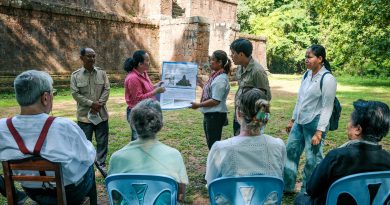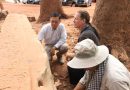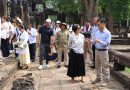
រយៈពេលជិត១ឆ្នាំមកហើយ ដែលអាជ្ញាធរជាតិអប្សរា និងក្រសួងវប្បធម៌និងវិចិត្រសិល្បៈ បានសហការគ្នាតាមរយៈគម្រោងបណ្តុះបណ្តាលជំនាញវិជ្ជាជីវៈមរតកដូនតា នៅក្នុងក្រុងរុនតាឯកតេជោសែន ដោយបានបង្ហាត់បង្រៀនជំនាញចំនួន៥ រួមមាន គំនូរបុរាណ កុលាលភាជន៍ ខ្មុកម្រ័ក្សណ៍ ចម្លាក់ថ្ម និងចម្លាក់ពុម្ព។
លោក គង់ វិបុល គឺជាគ្រូបង្រៀនផ្នែកចម្លាក់ពុម្ព បានឱ្យដឹងថា គម្រោងបណ្តុះបណ្តាលនេះបានចាប់ផ្តើម នៅខែមេសា ឆ្នាំ២០២៥ ហើយគ្រោងនឹងបញ្ចប់នៅខែមេសា ឆ្នាំ២០២៦នេះ។ គម្រោងដែលមានរយៈពេលមួយឆ្នាំនេះ មានសិក្ខាកាមចូលរួម១៥រូប ហើយភាគច្រើនជាស្រ្តី និងកំពុងរស់នៅក្នុងក្រុងរុនតាឯកតេជោសែន។ គម្រោងនេះមានបំណងដើម្បីលើកកម្ពស់ អភិរក្សជំនាញមរតកដូនតា និងធ្វើឱ្យពលរដ្ឋក្នុងក្រុងរុនតាឯកតេជោសែន មានជីវភាពល្អប្រសើរ។
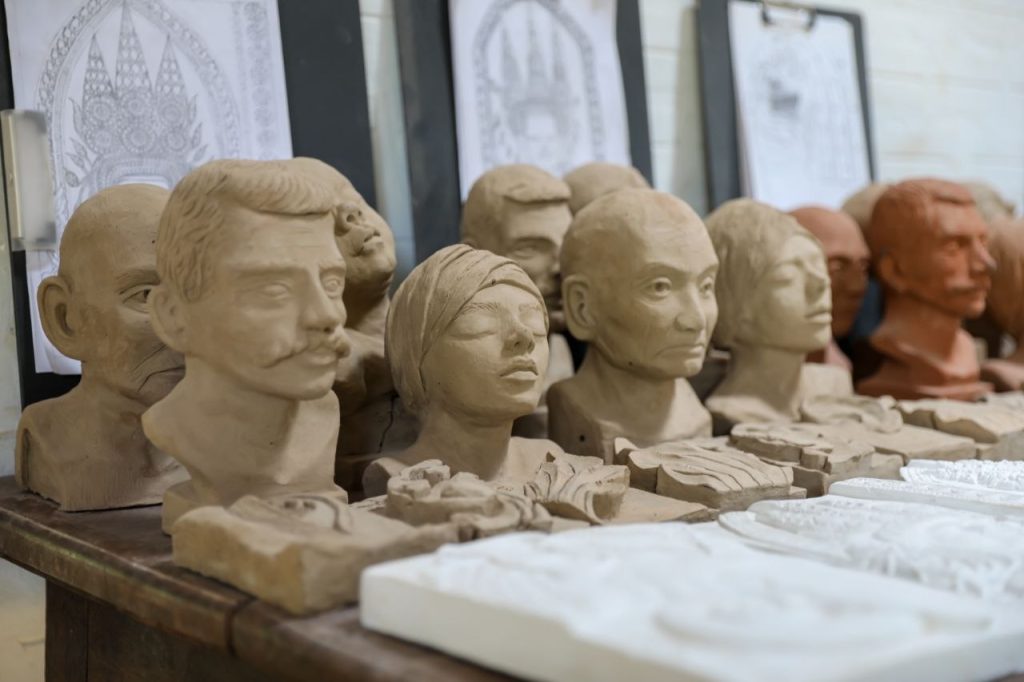
គ្រូបង្រៀនផ្នែកសិល្បៈចម្លាក់ពុម្ពរូបនេះបានបញ្ជាក់ថា ចម្លាក់ពុម្ពជាចំណេះដឹងទូទៅមួយដែលក្តោបលើជំនាញចម្លាក់ផ្សេងៗដូចជាចម្លាក់ប្រាក់ ចម្លាក់ស្ពាន់។ល។ ការបង្រៀននេះដំបូងឱ្យសិក្ខាកាមរៀនពីទ្រឹស្តី ការសូនដីឥដ្ឋ ក្រោយមកធ្វើជាម្នាងសិលា។ ក្នុងគម្រោងដែលមានរយៈពេលមួយឆ្នាំនេះ លោក វិបុល បញ្ជាក់ថា ការសិក្សាអនុវត្តត្រឹមការសូនដី និងម្នាងសិលាតែប៉ុណ្ណោះ ហើយលោក ចង់ឱ្យគម្រោងបន្តទៅមួយវគ្គទៀត ដើម្បីឱ្យសិក្ខាកាមរៀនបានគ្រប់ជ្រុងជ្រោយ និងស៊ីជម្រៅទៅលើចម្លាក់ពុម្ពនេះ។
លោក វិបុល បានកោតសរសើរចំពោះសិក្ខាកាមទាំង១៥រូប ដែលបានខិតខំរៀនសូត្របានល្អប្រសើរ លើជំនាញចម្លាក់ពុម្ពនេះ ត្បិតថាការរៀនមានភាពលំបាកច្រើនក៏ពិតមែន តែតាមរយៈការតស៊ូ ព្យាយាម និងភាពអត់ធ្មត់ ធ្វើឱ្យការរៀនសូត្រពួកគេប្រព្រឹត្តទៅដោយរលូន និងអាចយកចំណេះដឹងទាំងនោះ ទៅអនុវត្តបានមួយកម្រិត។
អ្នកស្រី បុប្ផា មានវ័យ ៣៩ឆ្នាំ ដែលជាសិក្ខាកាមក្នុងគម្រោងបណ្តុះបណ្តាលជំនាញចម្លាក់ពុម្ព បានបង្ហាញមោទនភាពសម្រាប់ខ្លួនឯង ដែលក្លាយពីអ្នកដែលមិនស្គាល់ និងរៀនចម្លាក់ម្នាក់នេះកន្លងមក ជាអ្នកដែលអាចរៀន និងធ្វើចម្លាក់ពុម្ពមួយរូប។ ឆ្លងកាត់ការសិក្សាមួយរយៈមក ស្រ្តីរូបនេះយល់ថា ខ្លួនឯងមាននិស្ស័យ និងចាប់ផ្តើមស្រឡាញ់អាជីពមួយនេះដោយមិនដឹងខ្លួន។ អ្នកស្រីក៏បានបង្ហាញពីអារម្មណ៍រីករាយជាខ្លាំង នៅពេលដែលបានរៀនជំនាញដូនតាមួយនេះ ហើយដែលជាផ្នែកមួយចូលរួមអភិរក្ស ថែរក្សា ក៏ដូចជាដើម្បីទុកចែករំលែកនិងបង្រៀនតទៅដល់កូនចៅជំនាន់ក្រោយៗទៀតកុំឱ្យបាត់បង់៕
អត្ថបទ៖ នាង សំណាង
រូបភាព៖ ស៊ិន ប្រណី
For nearly a year, the APSARA National Authority, in collaboration with the Ministry of Culture and Fine Arts, has been implementing the Ancestral Heritage Vocational Training Project in Run Ta Ek Techo Sen City. The project provides training in five key skills: mural painting, pottery making, lacquerware production, stone carving, and sculpture template making.
Mr. Kong Vibol, a trainer specializing in sculpture template making, explained that the program began in April 2025 and is scheduled to conclude in April 2026. The one-year course includes 15 participants, most of whom are women residing in Run Ta Ek Techo Sen City. The initiative aims to preserve ancestral craftsmanship while improving the livelihoods of local residents.
According to Mr. Vibol, sculpture template making provides foundational knowledge across various sculptural disciplines, including silver and copper work. The training begins with theoretical instruction, followed by practical exercises in clay modeling and plaster molding. Within the scope of this one-year program, participants focus primarily on clay and plaster techniques. However, Mr. Vibol expressed hope that the project will continue into a second phase, allowing learners to gain more comprehensive and advanced skills in sculpture.
He also commended the dedication of all 15 participants. Despite the challenges of mastering such intricate techniques, their perseverance, patience, and strong commitment have enabled them to make steady progress and apply their newly acquired skills effectively.
One participant, Ms. Bopha, 39, shared her personal journey with pride. Having had no prior experience in sculpture, she has gradually developed both skill and passion for the craft. Over time, she discovered a natural talent and a deep appreciation for the art form. She expressed great joy in learning this ancestral skill and contributing to its preservation and transmission to future generations, ensuring that it will not be lost.
Article by: Neang Samnang
Photos by: Sin Broney
Translation by: Net Phirun