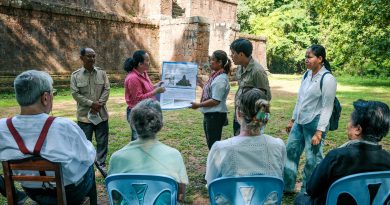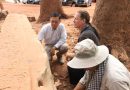
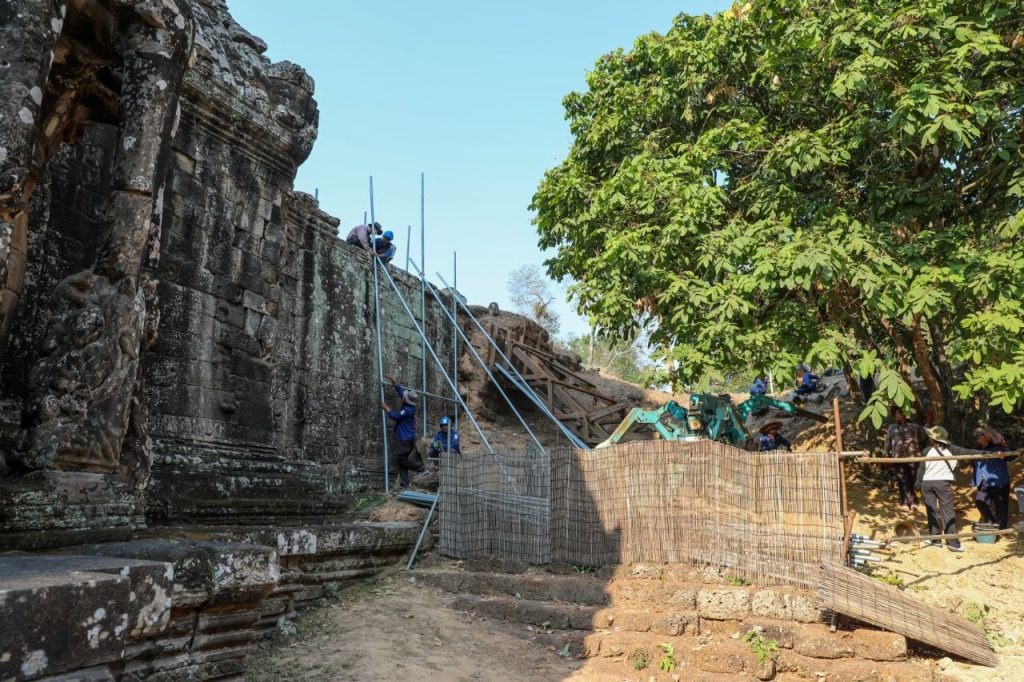
ក្រុមអ្នកបច្ចេកទេសនៃអាជ្ញាធរជាតិអប្សរា កំពុងដំណើរការជួសជុលជញ្ជាំងកំពែងធ្វើពីថ្មបាយក្រៀមរបស់ក្រុងអង្គរធំប្រវែង១៥ម៉ែត្រ នៅផ្នែកខាងត្បូង ឆៀងខាងលិចនៃខ្លោងទ្វារទន្លេអុំ ដែលកំពុងរងការខូចខាត ឱ្យប្រសើរឡើងវិញ។
លោក ម៉ៅ សុខនី មន្ត្រីបច្ចេកទេសរបស់នាយកដ្ឋានអភិរក្សប្រាសាទ និងបុរាណវិទ្យា និងជាអ្នកគ្រប់គ្រងការដ្ឋានជួសជុល ឱ្យដឹងថា ជញ្ជាំងថ្មបាយក្រៀម របស់កំពែងក្រុងអង្គរធំប្រវែង១៥ម៉ែត្រ នៅខាងត្បូង ឆៀងខាងលិចនៃខ្លោងទ្វារទន្លេអុំ បានទទួលរងការខូចខាតជាយូរមកហើយ ដោយសារអាយុកាលនៃថ្ម និងកត្តាធម្មជាតិ ដែលអាចបង្កឱ្យមានហានិភ័យមួយចំនួន ដូចជា ជញ្ជាំងថ្មបាយក្រៀមបានហែកចេញពីគ្នា និងថ្មមួយចំនួនរលុះធ្លាក់។ ចំពោះរចនាសម្ពន្ធស្លាបខ្លោងទ្វារទិសខាងលិច ក៏មានការខូចខាតច្រើនដែរ ដោយសារវាទ្រេត បាត់ផ្នែកដំបូល ហើយថ្មនៅសល់តិចតួចមានដូចជា ថ្មរូបទេពខ្លះៗ និងថ្មខឿននៃខ្លោងទ្វារ។ រីឯកាំជណ្តើរ រងបញ្ហាទឹកហូរច្រោះ ធ្វើឱ្យជញ្ជាំងផ្នែកខាងក្នុងហែកក្រៀកពីគ្នា ហើយបាត់ស្លាកស្នាមរូបរាងកាំជណ្តើរ និងធ្លាក់ថ្មភក់មួយចំនួនពីទីតាំងដើម។ បញ្ហាទាំងនេះ គឺទាមទារឱ្យមានការជួយសង្រ្គោះបន្ទាន់។
លោក ម៉ៅ សុខនី ឱ្យដឹងថា ដំណាក់កាលសំខាន់ៗនៃការជួសជុលកំពែងរបស់ក្រុងអង្គរធំ នៅផ្នែកខាងត្បូង ឆៀងខាងលិចខ្លោងទ្វារទន្លេអុំ ជាដំបូង គឺត្រូវចាប់ផ្ដើមពីការសម្អាតបរិវេណការដ្ឋាន ដាក់ស្លាកសញ្ញាហាមចូល ធ្វើរបងការពារ ដើម្បីសុវត្ថិភាពភ្ញៀវដែលឆ្លងកាត់ខ្លោងទ្វារនេះជាមុនសិន។ បន្ទាប់មកមានការធ្វើកំណាយ ដើម្បីសិក្សាឱ្យច្បាស់លាស់ពីរចនាសម្ពន្ធគ្រឹះ សម្រង់ប្លង់ចុះបញ្ជីលេខថ្មដែលនៅរាយប៉ាយ ហើយយកទៅដាក់ទីតាំងដើម។ ចំពោះ ថ្មណាដែលមិនទាន់ស្គាល់ទីតាំង គឺយកទៅរក្សាទុកមួយកន្លែង ដើម្បីឱ្យអ្នកជំនាន់ក្រោយសិក្សាស្រាវជ្រាវបន្ត ព្រមទាំងរៀបចំទីតាំងដាក់គ្រឿងចក្រ និងធ្វើរោងយាមសម្រាប់ការពារសម្ភារនៅទីនេះ។
ការជួសជុលកំពែងរបស់ក្រុងអង្គរធំប្រវែង១៥ម៉ែត្រ នៅផ្នែកខាងត្បូង ឆៀងខាងលិចខ្លោងទ្វារទន្លេអុំ គឺចាប់ផ្ដើមពីដើមខែមេសា ឆ្នាំ២០២៦ ដោយចំណាយរយៈពេលប្រហែល៦ខែទើបអាចបញ្ចប់។
ការងារជួសជុលនេះ គឺក្រុមការងារបានអនុវត្តទៅតាមបច្ចេកទេស ដោយមានការទល់ទ្រពេលរើជញ្ជាំង ហើយនៅតាមកន្លែងណាដែលមានបញ្ហាហែក គឺត្រូវរឹតកុំឱ្យទឹកហូរច្រោះជាដើម។ រើស្រទាប់ថ្មជញ្ជាំងបាយក្រៀមណាដែលហែកក្រៀកម្តងមួយស្រទាប់ៗ ហើយត្រូវរៀបឡើងវិញ។ ប្រសិនបើគ្រឹះមានបញ្ហា គឺត្រូវជួសជុលទាំងគ្រឹះ រួចហើយបន្តជួសជុលជញ្ជាំង ឱ្យរត់ត្រង់ជាមួយខ្លោងទ្វារ។ ចំណែកកាំជណ្តើរថ្មបាយក្រៀមនឹងរៀបចំឡើងវិញ ដើម្បីជួយទប់ដីកុំឱ្យទឹកភ្លៀងហូរច្រោះ។
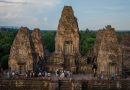
កំពែងក្រុងអង្គរធំ ជាសំណង់បុរាណសម្រាប់ការពាររាជធានីដ៏ស្កឹមស្កៃ ប្រវែង៣គីឡូម៉ែត្រក្នុងមួយជ្រុងៗ កម្ពស់ប្រមាណ៨ម៉ែត្រ និងមានគូទឹកព័ទ្ធជុំវិញ កសាងឡើងតាំងពីចុងសតវត្សរ៍ទី១២នៃគ្រិស្តសករាជ ដោយព្រះបាទជ័យវរ្ម័នទី៧។ កំពែងនេះ តំណាងឱ្យជញ្ជាំងថ្មការពារផែនដី និងមានខ្លោងទ្វារចំនួន៥ចូលឆ្ពោះមករាជធានី៕
អត្ថបទ៖ ឆាយ ផាន់នី
រូបភាព៖ ស៊ិន ប្រណី
The APSARA National Authority is restoring a 15-meter section of the laterite wall on the south-west side of Angkor Thom, near the Tonle Om Gate, which has been deteriorating for a long time.
Mr. Mao Sokny, a technical officer of the Department of Conservation of Monuments and Preventive Archaeology, stated that the wall has been damaged due to age and natural factors. This has created structural risks, including cracks, separation of laterite blocks, and falling stones.
He added that the western wing of the gate has also been affected. The structure is leaning, the roof has disappeared, and only a few elements remain, such as statues and stone pillars. The staircase is severely damaged by water erosion, causing the inner walls to crack, while traces of the original stairs have largely disappeared. Some sandstone blocks have also fallen from their original positions. These issues require urgent restoration.
The restoration began in early April 2026 and is expected to take approximately six months. The initial phase includes site cleaning, installation of safety barriers, and placement of warning signs to protect visitors passing through the gate.
Excavations are conducted to better understand the foundation structure. Each stone is carefully documented and repositioned in its original location. Stones whose original positions are unknown are preserved for future research. Preparations are also made for equipment placement and a guardhouse to secure the materials.
The restoration work follows proper conservation techniques. Cracked sections are reinforced to prevent water infiltration, and damaged wall layers are dismantled and rebuilt step by step. If the foundation is unstable, it is fully repaired before reconstructing the wall in alignment with the gate. The stone steps will also be rearranged to stabilize the ground and prevent erosion during the rainy season.
Built in the late 12th century under the reign of Jayavarman VII, Angkor Thom was the grand capital of the Khmer Empire. Its enclosure wall extends about three kilometers on each side, stands approximately eight meters high, and is surrounded by a moat. The city is accessed through five monumental gates.
Article by: Chhay Phanny
Photos by: Sin Broney
Translation by: Net Phirun