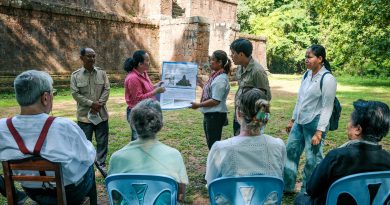
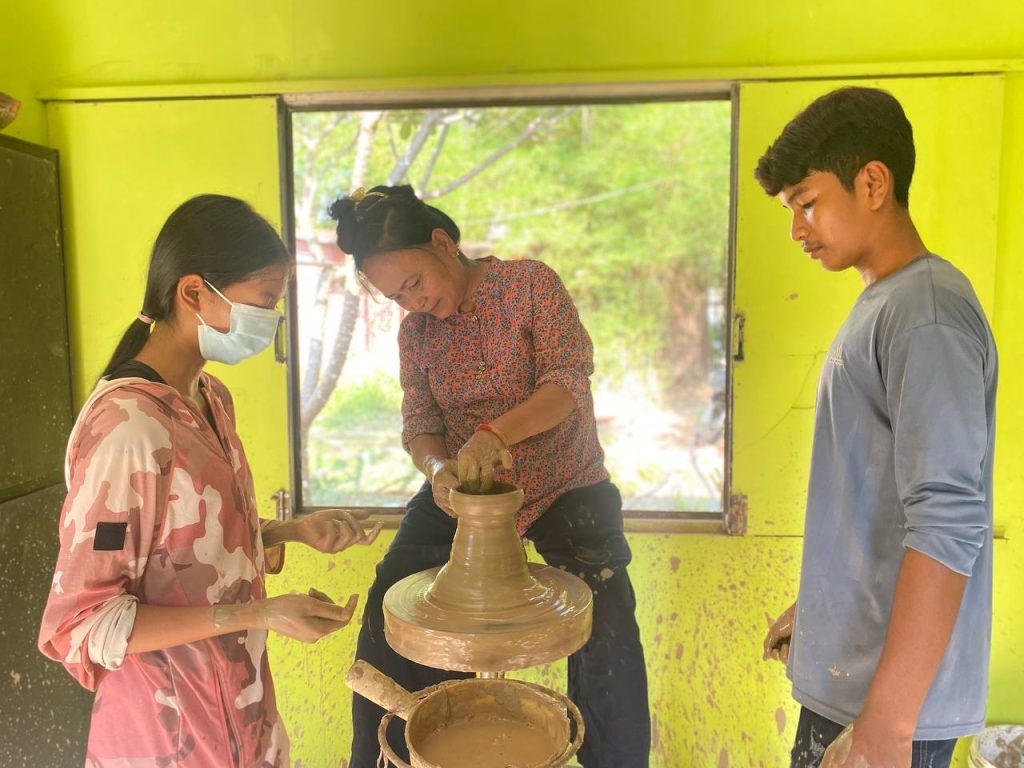
ប្រជាពលរដ្ឋរស់នៅក្រុងរុនតាឯកតេជោសែន រួមមានសិស្សានុសិស្ស និងស្រ្តីក្មេងចាស់ចំនួន១៥នាក់បាន ទទួលការបណ្តុះបណ្តាលជំនាញស្មូនកុលាលភាជន៍ តាមរយៈគម្រោងបណ្តុះបណ្តាលជំនាញវិជ្ជាជីវៈដូនតា នៅទីស្នាក់ការអង្គភាពគម្រោងភូមិធម្មជាតិរុនតាឯក ដែលរៀបចំឡើងដោយអាជ្ញាធរជាតិអប្សរា និងក្រសួងវប្បធម៌ និងវិចិត្រសិល្បៈ។
លោក អ៊ុក សុជាធី ជាគ្រូបង្គោលក្នុងវគ្គបណ្តុះបណ្តាលជំនាញវិជ្ជាជីវៈដូនតា ផ្នែកកុលាលភាជន៍នេះបានលើកឡើងថា ក្នុងនាមជាគ្រូបង្គោលនៃគម្រោងបណ្តុះបណ្តាលវិជ្ជាជីវៈដូនតា លោកមានក្តីសោមនស្សរីករាយដែលបានចែករំលែកចំណេះជំនាញដល់ពលរដ្ឋតំបន់រុនតាឯក តាមរយៈគម្រោងរបស់រាជរដ្ឋាភិបាលនេះ។ ដ្បិតនៅតំបន់នេះ និងជុំវិញ ជាមណ្ឌលផលិតកុលាលភាជន៍ដ៏ធំក្នុងសម័យអង្គរ ដូចជាឡតានី ឡអន្លង់ធំលើខ្នងភ្នំគូលែន ឡសរសី ខ្នារពោធិ៍ជាដើម។ បច្ចុប្បន្ន បច្ចេកទេសស្មូនកុលាលភាជន៍នេះ បានបាត់បង់ទាំងស្រុងទៅហើយ ជាមូលហេតុដែលគម្រោងបណ្តុះបណ្តាលជំនាញវិជ្ជាជីវៈដូនតា កំពុងខិតខំរកជំនាញឯកទេសស្មូននេះឱ្យរស់ឡើងវិញនៅតំបន់នេះ។
ដោយមានស្លាកស្នាមប្រវត្តិសាស្ត្រ ស្របតាមទស្សនវិស័យរបស់រាជរដ្ឋាភិបាលផង លោក សុជាធី មានចិត្តត្រេកអរជាពន់ពេក ដែលបានចែករំលែកជំនាញស្មូនរបស់លោក ជូនប្រជាពលរដ្ឋរស់នៅតំបន់រុនតាឯកនេះ។ រយៈពេលជិតមួយឆ្នាំមកនេះ លោកគ្រូបានប្រឹងប្រែងបង្រៀនទាំងទ្រឹស្ដី និងការអនុវត្តជាក់ស្ដែង ដូចជាការស្វែងយល់ពីវត្ថុធាតុដើម បច្ចេកទេសរៀបចំដីឥដ្ឋដើម្បីសូន រហូតបានជាផលិតផលសម្រេច។ បច្ចេកទេសផលិតមាន២ប្រភេទ គឺការសូនដោយដៃ និងសូនដោយជើងអន្ទោក ឬកង់បង្វិល ដែលជាបច្ចេកទេសពាក់កណ្ដាលស្វ័យប្រវត្តិ។ លោក សុជាធី បញ្ជាក់ថា ការផ្ទេរចំណេះដឹងនេះចាប់ផ្ដើមពីការអនុវត្តចាប់ពីវត្ថុងាយៗសាមញ្ញ ដូចជា សូនពែង កែវ ចានធំ-តូច ក្អម ថូ សូនរូប បច្ចេកទេសផ្សំស្រទាប់រលោងសម្រាប់លម្អ និងធានាបាននូវគុណភាពខ្ពស់។ លោកបន្ដទៀតថា ការបណ្តុះគំនិតពួកគាត់ឱ្យយល់អំពីលក្ខណៈនៃការបង្កើតថ្មី ហើយតម្រង់ទិសឱ្យពួកគាត់ស្វែងយល់ពីតម្រូវការទីផ្សារ ដើម្បីក្លាយជាសហគមន៍ស្មូនកុលាលភាជន៍នាពេលអនាគត។
អ្នកស្រី ផុន ម៉ាឡែន អាយុ៣៩ឆ្នាំ ប្រជាពលរដ្ឋរស់នៅភូមិធម្មជាតិរុនតាឯក ក្នុងចំណោមអ្នកស្ម័គ្រចិត្តចូលរៀនវគ្គបណ្តុះបណ្តាលជំនាញវិជ្ជាជីវៈដូនតានេះ បានឱ្យដឹងថា គាត់មានចិត្តស្រឡាញ់ជាយូរមកហើយ និងចង់ចេះផលិតកុលាលភាជន៍ ដែលជាមត៌កដូនតាយើង។ អ្នកស្រីបញ្ជាក់ថា ការរៀនសូនកុលាលភាជន៍ពីដំបូងមានការលំបាកដែរ តែដោយការខិតខំអត់ធ្មត់រហូតមានសមត្ថភាពអាចសូនចាន កែវ ថូ ប៉ាន់តែ ដែលមានសោភ័ណភាពប្រដំត្រសងគ្នាជាមួយសិក្ខាកាមផ្សេងៗដែរ។
ចំណែកអ្នកស្រី ហុង ថាវី អាយុ៤៩ឆ្នាំ ជាសិក្ខាកាមម្នាក់ទៀត ឱ្យដឹងថា អ្នកស្រីបានមករៀនវិជ្ជាសូនកុលាលភាជន៍នេះ ដោយក្ដីស្រលាញ់មត៌កដូនតា និងការលើកទឹកចិត្តពីក្រុមគ្រួសារផង។ អ្នកស្រីបានបែងចែកការងារប្រចាំថ្ងៃ និងពេលមករៀនវគ្គបណ្តុះបណ្តាល ដើម្បីទទួលបានចំណេះដឹងមួយនេះដោយមានលោកគ្រូបង្ហាត់បង្រៀនយ៉ាងយកចិត្តទុកដាក់។ អ្នកស្រីបានរៀនជំនាញស្មូននេះជាច្រើនខែ ហើយអាចផលិតបានវត្ថុច្រើនប្រភេទ។ ស្នាដៃរបស់អ្នកស្រី ក្រសួងបានជ្រើសរើសយកទៅតាំងពិព័រណ៍នៅរាជធានីភ្នំពេញទៀតផង។ អ្នកស្រី ហុង ថាវី បានអរគុណចំពោះរាជរដ្ឋាភិបាល ដែលបានបង្កើតវគ្គបណ្តុះបណ្តាលជំនាញស្មូនកុលាលភាជន៍ ហើយផ្តល់ឱកាសឱ្យគាត់បានសិក្សាជំនាញនេះ។
សិក្ខាកាមទាំងអស់ សំណូមពរឱ្យរាជរដ្ឋាភិបាល ក្រសួង និងស្ថាប័នពាក់ព័ន្ធ ដែលបានផ្ដួចផ្ដើមបង្កើតគម្រោងបណ្តុះបណ្តាលជំនាញវិជ្ជាជីវៈដូនតានេះ សូមបន្តអនុវត្តគម្រោងនេះរហូតតទៅដើម្បីថែរក្សាជំនាញមត៌កដូនតាឲ្យបានគង់វង្ស ជាពិសេសអាចប្រកបរបរចិញ្ចឹមគ្រួសារបន្ថែមផង ព្រមទាំងអាចថែរក្សាការពារនូវមត៌កវប្បធម៌អរូបីផ្នែកស្មូនកុលាលភាជន៍របស់ដូនតាយើង កុំឱ្យបាត់បង់ផង៕
អត្ថបទ: យី សុថា
រូបភាព: លោក ស៊ិន ប្រណី និងលោក អ៊ុក សុជាធី
Fifteen residents of Run Ta Ek Techo Sen City, including students and women, have participated in a ceramic-making training course organized at the Run Ta Ek Eco Village Project headquarters. The initiative was led by the APSARA National Authority in collaboration with the Ministry of Culture and Fine Arts, aiming to revive and preserve Cambodia’s ancestral craftsmanship.
Mr. Ouk Socheathy, a trainer in the program, expressed his enthusiasm for sharing his knowledge and skills with the local community. He highlighted that the Run Ta Ek area and its surroundings were historically significant ceramic production centers during the Angkor period, with notable kiln sites such as Tani kiln, Anlong Thom kiln on the slopes of Mount Kulen, Sorsey kiln, and Khnar Por kiln. However, these traditional ceramic techniques have largely disappeared over time. Through the Royal Government’s Ancestral Vocational Training Project, efforts are now being made to revive this lost heritage.
Drawing on historical evidence and aligned with the Royal Government’s vision, Mr. Socheathy has dedicated nearly a year to teaching both theory and practical skills. Trainees learn about raw materials, clay preparation, and firing techniques, progressing step by step until they can produce finished ceramic products. The training introduces two main production methods: hand-forming and wheel-throwing using a semi-automatic rotating wheel. Participants begin with simple items such as cups, bowls, jars, and vases, while also learning decorative techniques and quality control. The course also encourages creativity and market awareness, helping trainees envision future opportunities as part of a ceramic-producing community.
Ms. Phon Malen, 39, shared that she has long been passionate about ceramic art as part of Cambodia’s ancestral heritage. Although the learning process was initially challenging, her persistence enabled her to produce beautifully crafted plates, glasses, and vases comparable to those of other trainees.
Similarly, Ms. Hong Thavy, 49, joined the training out of love for traditional heritage and with encouragement from her family. Despite balancing daily responsibilities, she committed time to the course and, after several months, developed the ability to create a variety of ceramic products. Her work was selected by the ministry for exhibition in Phnom Penh, marking a significant achievement. She expressed gratitude to the Royal Government for providing such valuable opportunities.
All participants collectively called on the Royal Government and relevant institutions to continue supporting and expanding this ancestral vocational training initiative. They emphasized its importance not only in preserving Cambodia’s intangible cultural heritage but also in providing sustainable livelihoods for local families and ensuring that traditional ceramic craftsmanship is passed on to future generations.
Article by Yi Sotha
Photos by Sin Broney/Ouk Socheathy
Translation by Net Phirun