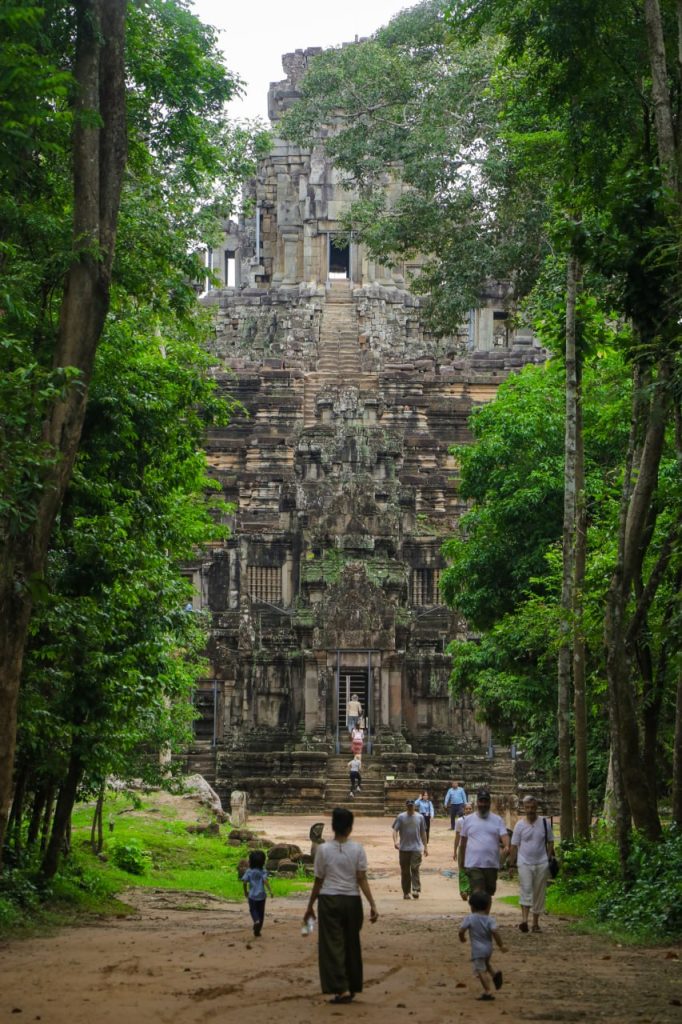
ប្រាសាទតាកែវ គឺជាសមិទ្ធផលស្ថាបត្យកម្មដ៏វិសេសវិសាលមួយ ស្ថិតនៅក្នុងតំបន់ឧទ្យានជាតិអង្គរ។ ប្រាសាទនេះមានលក្ខណៈពិសេសប្លែកពីគេ ដោយសារវាជា «ប្រាសាទភ្នំ» សាងសង់ឡើងអំពីថ្មភក់ដ៏ធំស្កឹមស្កៃ មានកម្ពស់៥ថ្នាក់ តំណាងឱ្យភ្នំព្រះសុមេរុ ប៉ុន្តែមិនទាន់មានការដាប់ឆ្លាក់ក្បូរក្បាច់រចនាឱ្យបានពេញលេញ ដូចប្រាសាទដទៃឡើយ ដែលជាចំណុចទាក់ទាញ និងបង្កើតជាសំណួរចោទសួរយ៉ាងច្រើនពីសំណាក់អ្នកស្រាវជ្រាវ និងភ្ញៀវទេសចរ។
បើយើងស្វែងរកឫសគល់ប្រវត្តិសាស្ត្រ និងការផ្លាស់ប្តូររជ្ជកាល ដោយផ្អែកលើមូលដ្ឋានសិលាចារឹក ប្រាសាទតាកែវមានឈ្មោះដើមថា «ហេមស្រឹង្គគិរី» (Hemaśṛṅgagiri) ដែលមានន័យថា «ភ្នំដែលមានកំពូលមាស»។ ការសាងសង់ត្រូវបានចាប់ផ្តើមឡើងនៅចុងសតវត្សរ៍ទី១០ ក្នុងរជ្ជកាលព្រះបាទជ័យវម៌្មទី៥ (គ.ស. ៩៦៨-១០០១) ស្ថិតក្នុងអន្តរកាលរវាងរចនាបថប្រែរូប និងរចនាបថឃ្លាំង ដើម្បីឧទ្ទិសថ្វាយដល់ព្រះឥសូរ នៃព្រហ្មញ្ញសាសនា។ ក្រោយពេលព្រះបាទជ័យវម៌្មទី៥ សោយទិវង្គត ការសាងសង់ត្រូវបានបន្តដោយព្រះមហាក្សត្របន្ទាប់គឺ ព្រះបាទជយវីរវម៌្ម និងព្រះបាទសូរ្យវម៌្មទី១ ប៉ុន្តែទោះជាឆ្លងកាត់បីរជ្ជកាលក៏ដោយ ក៏មហាសំណង់មួយនេះនៅតែមិនទាន់បានបញ្ចប់ជាស្ថាពររហូតមកដល់សព្វថ្ងៃ។
ទីតាំងភូមិសាស្ត្រ និងរចនាសម្ព័ន្ធស្ថាបត្យកម្មនៃប្រាសាទតាកែវ តាំងនៅខាងកើតនៃក្រុងអង្គរធំ ក្បែរខ្លោងទ្វារជ័យ និងស្ថិតនៅចំទិសខាងលិចនៃបារាយណ៍ខាងកើត។ ក្នុងទម្រង់ជាប្រាសាទភ្នំ ក្តីចំនួន៥ ផ្ដុំគ្នានៅលើថ្នាក់ខ្ពស់បំផុត (ថ្នាក់ទី៥) ដោយសាងឡើងលើខឿនតែមួយ មានលក្ខណៈស្មើភាពគ្នា ដែលជានិមិត្តរូបនៃកំពូលទាំង៥ នៃភ្នំព្រះសុមេរុ ដែលជាមណ្ឌលនៃចក្រវាឡក្នុងប្រព័ន្ធលោកធាតុវិទ្យា។
មានអាថ៌កំបាំងខ្លះ ទាក់ទងនឹងប្រាសាទដែលកសាងមិនទាន់រួច។ សំណួរដែលមនុស្សជាច្រើនតែងងឿងឆ្ងល់គឺ៖ ហេតុអ្វីបានជាប្រាសាទតាកែវគ្មានក្បូរក្បាច់ចម្លាក់លម្អពេញលេញ? ផ្អែកលើការសិក្សាស្រាវជ្រាវ គេបានលើកឡើងនូវទ្រឹស្ដី និងមូលហេតុចម្បងៗចំនួន ៣៖
– ប្រផ្នូលអាក្រក់ (រន្ទះបាញ់)៖ យោងតាមភស្តុតាងនៅក្នុងសិលាចារឹកបានបញ្ជាក់ថា នៅពេលដែលកំពុងដំណើរការសាងសង់ មានហេតុការណ៍រន្ទះបាញ់ចំប្រាសាទ។ នៅក្នុងផ្នត់គំនិតបុរាណ ព្រឹត្តិការណ៍នេះត្រូវបានគេចាត់ទុកថាជាប្រផ្នូលមិនល្អ ឬជាការខឹងសម្បារពីទេវតា ទើបការកសាងត្រូវបានផ្អាក ឬកាត់បន្ថយសកម្មភាព។
– ភាពរឹងខ្លាំងនៃលក្ខណៈថ្ម៖ ប្រាសាទនេះសាងសង់ឡើងដោយប្រើប្រាស់ថ្មភក់ពណ៌បៃតងក្រម៉ៅ (Greyish-green Sandstone) ដែលមានសាច់រឹងខ្លាំងខុសពីថ្មភក់នៅប្រាសាទដទៃ។ ភាពរឹងនៃលក្ខណៈរូបវន្តរបស់ថ្មនេះ បានបង្កជាឧបសគ្គយ៉ាងខ្លាំងដល់ជាងចម្លាក់ក្នុងការដាប់ឆ្លាក់ក្បូរក្បាច់ឱ្យបានល្អិតល្អន់។
– វិបត្តិ និងការផ្លាស់ប្តូររជ្ជកាល៖ សង្គ្រាមដណ្តើមរាជ្យ និងអស្ថិរភាពនយោបាយនៅចុងរជ្ជកាលព្រះបាទជ័យវម៌្មទី៥ រហូតដល់ការឡើងគ្រងរាជ្យរបស់ព្រះបាទសូរ្យវម៌្មទី១ អាចជាកត្តាខ្វះខាតកម្លាំងពលកម្មនិងធនធាន ដែលធ្វើឱ្យគម្រោងស្ថាបត្យកម្មដ៏មហិមានេះត្រូវកាត់ផ្ដាច់ (ដើម្បីស្វែងយល់បន្ថែមចំណុចនេះ សូមមើល៖ Coedès, George (1968): The Indianized States of Southeast Asia និងលោក Dupont, Pierre (1946) “La dislocation du Sud-Est asiatique au XIe siècle”, publ. EFEO ព្រមទាំង Jacques, Claude & Freeman, Michael (1997): Ancient Angkor។
ចំពោះតម្លៃបេតិកភណ្ឌ និងការអភិរក្សវិញ ទោះបីជាខកខានក្នុងការដាប់ឆ្លាក់ចម្លាក់ឱ្យបានរួចរាល់ក៏ដោយ ប៉ុន្តែប្រាសាទតាកែវគឺជាសក្ខីភាពដ៏វិសេសវិសាល នៃបច្ចេកវិទ្យាវិស្វកម្ម ភាពអត់ធ្មត់ និងភាពប៉ិនប្រសប់របស់បុព្វបុរសខ្មែរ ក្នុងការរៀបចំលំដាប់លំដោយដុំថ្មធំៗរាប់ម៉ឺនដុំឱ្យមានលំនឹង និងភាពរឹងមាំបំផុត។ ជាងនេះទៅទៀត វាប្រៀបជា «ឯកសារណែនាំ» ដ៏សំខាន់សម្រាប់អ្នកបុរាណវិទ្យា ស្ថាបត្យករ និងវិស្វករ ក្នុងការសិក្សាអំពីរចនាសម្ព័ន្ធសំណង់ និងដំណាក់កាលនៃការសាងសង់ប្រាសាទបុរាណ ចាប់តាំងពីការរៀបដុំថ្មទទេ រហូតដល់ការរៀបចំផ្ទៃសម្រាប់ឆ្លាក់។
អាជ្ញាធរជាតិអប្សរា និងរដ្ឋាភិបាលចិន (CSA) បានសហការជួសជុល និងអភិរក្សយ៉ាងយកចិត្តទុកដាក់ប្រាសាទតាកែវ ដើម្បីធានានិរន្តរភាពសំណង់ និងបង្កលក្ខណៈងាយស្រួលដល់ភ្ញៀវទេសចរ ក្នុងការឡើងទៅទស្សនា និងផ្តិតយកទិដ្ឋភាពដ៏ស្រស់ត្រកាលពីលើកំពូលប្រាសាទភ្នំដ៏ពិសិដ្ឋមួយនេះ៕
អត្ថបទ៖ ការិយាល័យផ្សព្វផ្សាយ
រូបភាព៖ សឿន ប៊ុនស៊រ
Takeo Temple is one of the most remarkable architectural achievements in the Angkor Archaeological Park. Renowned as a monumental “mountain temple,” it was constructed almost entirely from massive sandstone blocks and rises in five impressive tiers symbolizing Mount Meru, the sacred mountain at the center of the Hindu universe. Unlike many other Angkorian temples, however, Takeo remains largely uncarved, giving it a distinctive appearance that continues to fascinate researchers and visitors alike.
A Temple with a Rich History
Historical inscriptions reveal that Takeo Temple was originally known as Hemaśṛṅgagiri, meaning “Mountain with a Golden Peak.” Construction began in the late 10th century during the reign of King Jayavarman V (968–1001 CE), a period marking the transition between the Pre Rup and Khleang artistic styles. The temple was dedicated to the Hindu god Shiva.
Following the death of Jayavarman V, construction continued under King Jayaviravarman and later King Suryavarman I. Despite spanning the reigns of three kings, this ambitious monument was never fully completed.
Architecture and Layout
Takeo Temple is situated east of Angkor Thom, near the Victory Gate, and west of the East Baray. It is designed as a classic mountain temple, with five sanctuary towers standing on the highest (fifth) level atop a single platform. These five towers symbolize the five peaks of Mount Meru, reflecting the cosmological beliefs of the Khmer Empire.
The temple’s bold, geometric design, steep stairways, and massive stone construction make it one of the finest examples of early sandstone architecture at Angkor.
Why Was Takeo Temple Never Finished?
One of the greatest mysteries surrounding Takeo Temple is why its decorative carvings were never completed. Researchers have proposed three main explanations:
–Lightning Strike and Bad Omen: According to inscriptional evidence, lightning struck the temple during construction. In ancient Khmer belief, this was interpreted as a sign of divine displeasure or misfortune, leading to the suspension or abandonment of the project.
–Exceptionally Hard Sandstone: The temple was built from dense, greyish-green sandstone that is much harder than the stone used in many other Angkorian monuments. This made carving intricate decorative reliefs extremely difficult and time-consuming.
–Political Instability: Succession disputes and political unrest following the death of Jayavarman V, culminating in the reign of Suryavarman I, likely caused shortages of labor and resources, preventing the completion of this monumental project. These historical developments are discussed in works by George Coedès (1968), Pierre Dupont (1946), and Claude Jacques & Michael Freeman (1997).
Heritage Value and Conservation
Although unfinished, Takeo Temple stands as an extraordinary testament to the engineering expertise, craftsmanship, and perseverance of the Khmer builders. Its precisely assembled sandstone blocks demonstrate remarkable structural stability and construction techniques.
Because much of the temple remains uncarved, it also serves as an invaluable reference for archaeologists, architects, and engineers studying the construction sequence of Angkorian temples—from the placement of raw stone blocks to the preparation of surfaces intended for sculpture.
APSARA National Authority, in cooperation with the Chinese Government (CSA), restored and preserved Takeo Temple. These conservation efforts help safeguard the monument’s structural integrity while improving visitor access, allowing tourists to safely climb the temple and enjoy panoramic views of the Angkor landscape from the summit of this sacred mountain temple.
Article by the Office of Communication
Photos by Soeun Bunsor
Translation by Net Phirun