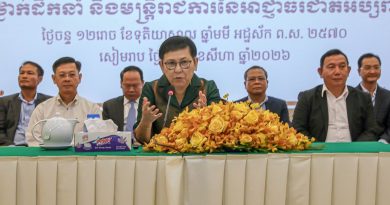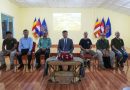
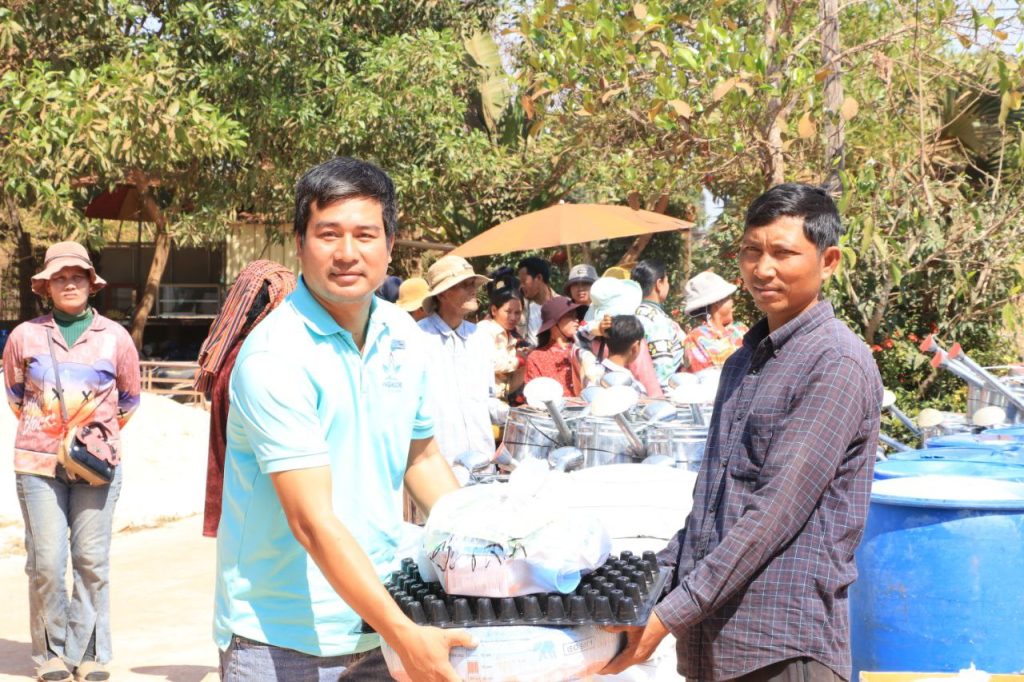
គម្រោងគ្រប់គ្រងទឹកអង្គរប្រកបដោយប្រសិទ្ធភាព និងចីរភាពដើម្បីភាពធន់នឹងការប្រែប្រួលអាកាសធាតុ និងសង្គម-សេដ្ឋកិច្ច ឬ Angkor Water Resilience Project ( AWR) បានរៀបចំកម្មវិធីចែកសម្ភារកសិកម្ម និងគ្រាប់ពូជ ជូនកសិករនៅឃុំដូនកែវ ស្រុកពួក ចំនួន ៦៧គ្រួសារ ឃុំពាក់ស្នែង ស្រុកអង្គរធំ ៣៦គ្រួសារ ឃុំលាងដៃ ស្រុកអង្គរធំ ៩៦គ្រួសារ និងសង្កាត់គោកចក ក្រុងសៀមរាប ៤២គ្រួសារ សរុបចំនួន ២៤១គ្រួសារ។ គម្រោងបានផ្តល់ជូនកសិករនូវ ពូជដំណាំមួយចំនួន កំបោរសកសិកម្ម ធុងថ្នាំសម្រាប់ធ្វើជីធម្មជាតិ ធុងទឹក ប្រព័ន្ធដំណក់ទឹក ធុងសម្រាប់ស្រោចបន្លែខ្នាតតូច។
លោក ស៊ន វណ្ណឌី អ្នកសម្របសម្រួលគម្រោងបានឱ្យដឹងថា គម្រោង AWR នេះជាគំនិតផ្តួចផ្តើមឡើងរបស់អាជ្ញាធរជាតិអប្សរា ក្រោមជំនួយឧបត្ថម្ភពីក្រសួងការបរទេស និងពាណិជ្ជកម្ម(MFAT) នៃប្រទេសណូវែលហ្សេឡង់ ហើយអនុវត្តដោយអង្គការលីវអែនលឺន Live & Learn ។ គម្រោងមានគោលដៅក្នុងការគ្រប់គ្រងទឹកប្រកបដោយប្រសិទ្ធភាព ដើម្បីពង្រឹងសមត្ថភាពរបស់សហគមន៍ដែលរស់នៅក្នុង និងជុំវិញតំបន់ឧទ្យានអង្គរ ឱ្យមានភាពធន់នឹងការប្រែប្រួលអាកាសធាតុ ដោយផ្តោតទៅលើសកម្មភាពសំខាន់ៗចំនួន ៥ រួមមាន៖ ទី១ ការស្ដារហេដ្ឋារចនាសម្ព័ន្ធទឹកបុរាណ ទី២ ស្ថានីយបណ្តុះកូនឈើ ផលិតដីបណ្តុះ និងជីកំប៉ុស ទី៣ កម្មវិធីលើកកម្ពស់ការយល់ដឹងដល់ប្រជាសហគមន៍នៅតាមទីវត្តអារាម ទី៤ កម្មវិធីលើកកម្ពស់ការយល់ដឹងដល់សិស្សានុសិស្សនៅតាមសាលារៀន និងទី៥ សួនបន្លែលក្ខណៈគ្រួសារ និងដំណាំកេរដំណែល។
គួររំឭកដែរថា កិច្ចសហប្រតិបត្តិការរវាងអាជ្ញាធរជាតិអប្សរា និងប្រទេសណូវែលហ្សេឡង់បានចាប់ផ្តើមឡើងតាំងពីឆ្នាំ១៩៩៨ មកម៉្លេះ និងអនុវត្តបាន ៥ដំណាក់កាលមកហើយ ដោយគោលដៅសំខាន់ផ្តោតទៅលើការលើកកម្ពស់ជីវភាពរស់នៅរបស់ប្រជាសហគមន៍នៅក្នុង និងជុំវិញតំបន់អង្គរ។ ដោយឡែក គម្រោង AWR នេះ ជាគម្រោងកិច្ចសហប្រតិបត្តិការដំណាក់កាលទី៦ មានរយៈពេល៥ឆ្នាំ ចាប់ផ្តើមកាលពីឆ្នាំ ២០២៣ រហូតដល់ឆ្នាំ២០២៨ និងកំពុងអនុវត្តនៅក្នុងឃុំ/សង្កាត់គោលដៅចំនួន៤ រួមមានឃុំដូនកែវ (ស្រុកពួក) ឃុំលាងដៃ និងឃុំពាក់ស្នែង (ស្រុកអង្គរធំ) និងសង្កាត់គោកចក (ក្រុងសៀមរាប)៕
អត្ថបទ៖ នាង សំណាង
រូបភាព៖ ហាប់ គឹមអាន និងគម្រោង AWR
The Angkor Water Resilience Project (AWR) has distributed agricultural supplies to farmers in four communes within the Angkor area, including Daun Keo commune, Puok district (67 families); Peak Sneng commune, Angkor Thom district (36 families); and Sangkat Kok Chak, Siem Reap City (42 families).
Mr. Sorn Vandy, Coordinator of the Angkor Water Resilience Project, stated that AWR is an initiative of the APSARA National Authority, with support from the Ministry of Foreign Affairs and Trade (MFAT) of New Zealand. The project is implemented by Live & Learn Cambodia and Live & Learn International.
He explained that this marks the second phase of agricultural support. In the first phase, 34 model farmers received assistance and have since achieved successful cultivation outcomes. These farmers will serve as trainers and mentors for other participants in the next phase.
The project aims to strengthen farmers’ knowledge of climate-smart vegetable growing techniques, promote crop diversification, and encourage organic farming practices without chemical fertilizers for both household consumption and market sales.
During the distribution ceremony held from February 10–12 in Daun Keo commune, farmers received plant seeds, agricultural lime, containers for producing natural fertilizers, drip irrigation equipment, and small-scale watering containers. The distributed seeds include beans, lentils, peas, spinach, yams, cucumbers, pumpkins, squash, and other vegetables—totaling 30 varieties.
Launched in 2023, the AWR project currently operates in four communes: Daun Keo (Puok district), Leang Dai and Peak Sneng (Angkor Thom district), and Kok Chak (Siem Reap City), with 265 farming families participating. The project plans to expand to two additional communes next year, aiming to reach a total of 600 families.
The Angkor Water Resilience Project focuses on five key components:
- Water infrastructure development
- Tree nursery stations and compost production
- Community awareness programs at pagodas
- School-based awareness programs
- Family vegetable gardens and traditional farming support
It is worth recalling that cooperation between the APSARA National Authority and New Zealand began in 1998 and has been implemented in five phases, with the primary objective of improving the livelihoods of communities in and around the Angkor area. The AWR project represents the sixth phase of this cooperation, spanning five years from 2023 to 2028, and is being implemented in four target communes/sangkats: Daun Keo (Puok district), Leang Dai and Peak Sneng (Angkor Thom district), and Kok Chak (Siem Reap City).
Article by Neang Samnang
Photos by Hap Kim An/AWR Team
Translation by Net Phirun