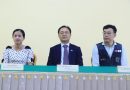
អាជ្ញាធរជាតិអប្សរា ដែលសហការជាមួយទីភ្នាក់ងារបេតិកភណ្ឌកូរ៉េ បានបិទវគ្គបណ្ដុះបណ្ដាលស្ដីពី ជំនាញអភិរក្ស និងជួសជុលវត្ថុសិល្បៈបុរាណ ធ្វើពីលោហៈ និងកុលាលភាជន៍ កាលពីព្រឹកថ្ងៃទី២ ខែវិច្ឆិកា ឆ្នាំ២០២៦។
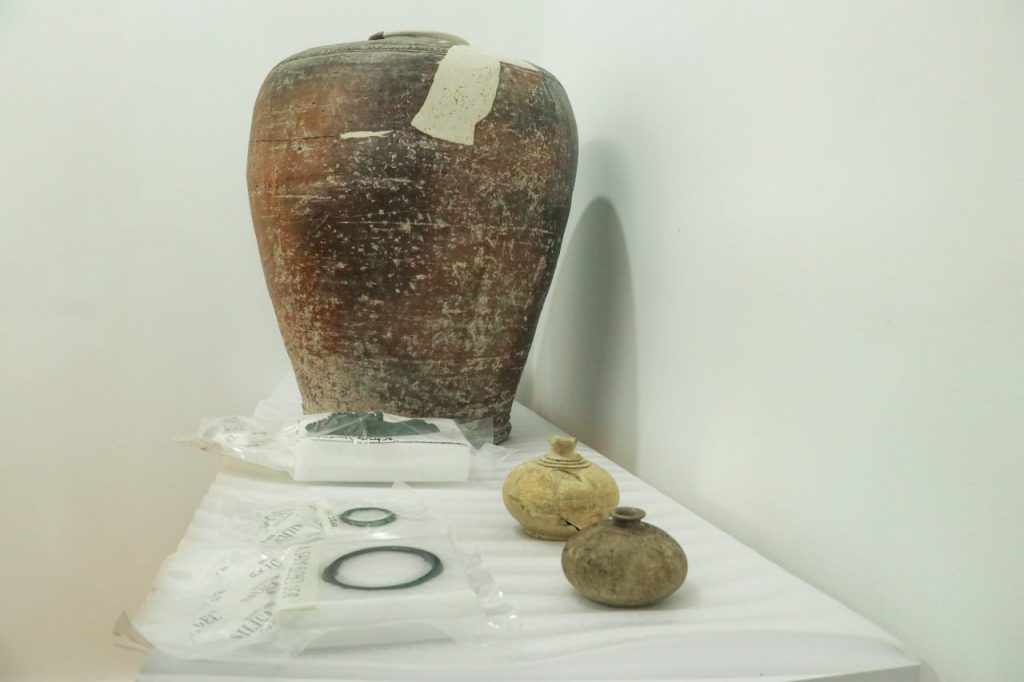
លោក គាំ សុភារម្យ បុរាណវិទូ និងជាគ្រូបង្គោលបណ្តុះបណ្តាល ឱ្យដឹងថា វគ្គបណ្ដុះបណ្ដាលជំនាញ ពង្រឹងសមត្ថភាព បានចែករំលែកបច្ចេកទេស និងផ្ដល់ចំណេះដឹងក្នុងការថែរក្សា ការពារ និងសង្គ្រោះវត្ថុបុរាណធ្វើពីលោហៈ (សំរឹទ្ធ ដែក) និងកុលាលភាជន៍នេះ មានសិក្ខាកាមមកពីអាជ្ញាធរជាតិអប្សរា ៣នាក់ អាជ្ញាធរជាតិសំបូរព្រៃគុក ២នាក់ និងអាជ្ញាធរជាតិព្រះវិហារ ១នាក់ សរុប៦នាក់។ វគ្គបណ្ដុះបណ្ដាលនេះ បានចាប់ផ្តើមតាំងពីថ្ងៃទី៣១ ខែសីហា និងបានបិទបញ្ចប់នៅថ្ងៃទី៣០ ខែតុលា ឆ្នាំ២០២៦ នេះ។ វគ្គបណ្តុះបណ្តាលដ៏សំខាន់នេះ ក្រោមកិច្ចសហការជាមួយទីភ្នាក់ងារបេតិកភណ្ឌកូរ៉េ និងអាជ្ញាធរជាតិអប្សរា បានរៀបចំបណ្ដុះបណ្ដាលសិក្ខាកាមទាំង៦រូប ដោយផ្តោតលើបច្ចេកទេសអភិរក្សជាបឋម ដូចជា វិធីសាស្ត្រសម្អាត ជួសជុល និងទប់ស្កាត់ការខូចខាតលើវត្ថុសិល្បៈ ដែលធ្វើពីលោហៈ (សំរឹទ្ធ និងដែក) និងប្រភេទកុលាលភាជន៍ ទៅតាមបែបវិទ្យាសាស្រ្តបច្ចេកទេសយ៉ាងត្រឹមត្រូវ។ ការបង្រៀនទ្រឹស្តីទូទៅដោយស្វែងយល់ពីមូលហេតុនៃការខូចខាត និងកត្តាបំផ្លិចបំផ្លាញ មានកត្តាអាកាសធាតុ សំណើម អុកស៊ីតកម្ម និងប្រតិកម្មគីមី ទៅលើលោហៈធាតុ និងកុលាលភាជន៍។ យល់ដឹងពីការធ្វើរបាយការណ៍ នៅមុនពេលជួលជុល កំឡុងពេលជួលជុល និងក្រោយពេលជួសជុល។ វិធីសាស្ត្រពិនិត្យវិភាគ និងកត់ត្រាស្ថានភាពដើមនៃការខូចខាតឡើងច្រែះស្នឹម ឬការសឹករេចរឹល។ បច្ចេកទេសសម្អាតតាមបែបមេកានិច(ម៉ាស៊ីនមីក្រូទស្សន៍ ម៉ាស៊ីន Air plaster ម៉ាស៊ីនផ្លុំខ្យល់ ស្កាល់ប៉ែល ចង្កាក់ឬស្សី សំឡី និងការប្រើសារធាតុគីមីមួយចំនួន (Acetone និងអាល់កុល) កម្រិតសុវត្ថិភាព។ ការស្រោបសារធាតុការពារ (Stabilization & Coating ល្បាយ BTA និងSSQ) ដើម្បីទប់ស្កាត់ការខូចខាតកើតឡើងវិញជាដើម។
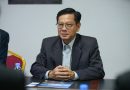
លោក គីម ដុងមីន ប្រធានគម្រោងនៃទីភ្នាក់ងារបេតិកភណ្ឌកូរ៉េ បានថ្លែងនៅក្នុងពិធីបិទវគ្គបណ្ដុះបណ្ដាលនោះថា វគ្គបណ្តុះបណ្តាលលើកនេះ មានអត្ថន័យយ៉ាងធំធេងចំពោះកម្ពុជា ដែលបានប្រឹងប្រែងបណ្តុះបណ្តាលជំនាញការអភិរក្សនិងជួសជុលវត្ថុសិល្បៈបុរាណនេះ។ ជាបន្តកម្ពុជា អាចនឹងមានសមត្ថភាពបណ្ដុះបណ្ដាលអ្នកស្រាវជ្រាវជំនាន់ក្រោយ បានដោយខ្លួនឯងផ្ទាល់ ដោយមានការជួយជ្រោមជ្រែងចែករំលែកបច្ចេកទេសពីកូរ៉េ នៅក្នុងមន្ទីរពិសោធន៍ដែលកសាងឡើងដោយមានការគាំទ្រពីកូរ៉េដែរនោះ។
លោក គីម ដុងមីន យល់ឃើញថា កត្តាសំខាន់បំផុតក្នុងការអភិរក្សបេតិកភណ្ឌវប្បធម៌ គឺពឹងផ្អែកលើធនធានមនុស្ស។ បើទោះបីជាយើងមានហេដ្ឋារចនាសម្ព័ន្ធល្អ និងឧបករណ៍ទំនើបយ៉ាងណាក៏ដោយ ប្រសិនបើ គ្មានអ្នកជំនាញដែលចេះប្រើប្រាស់វាឱ្យបានត្រឹមត្រូវ ហើយអាចផ្ទេរបច្ចេកទេសពីមនុស្សជំនាន់មុនទៅមនុស្សជំនាន់ក្រោយទេ ការអភិរក្សបេតិកភ ណ្ឌវប្បធម៌ ដែលប្រកបដោយចីរភាព គឺជាការពិបាកណាស់។ លោកសង្ឃឹមថា ចំណេះដឹង និងបទពិសោធន៍ ដែលសិក្ខាកាមទាំងអស់គ្នាទទួលបានទទួលថ្ងៃនេះ នឹងយកទៅអនុវត្តនៅការដ្ឋានអភិរក្សបេតិកភណ្ឌវប្បធម៌ នៃស្ថាប័នរៀងៗខ្លួន ព្រមទាំងមានការចែករំលែកបន្តដល់សហការីឱ្យកាន់តែច្រើនថែមទៀតនាពេលអនាគត។
ចំណែកប្រធាននាយកដ្ឋានបណ្ដុះបណ្ដាល ស្រាវជ្រាវនិងផ្សព្វផ្សាយនៃអាជ្ញាធរជាតិអប្សរា លោកអ៊ឹម សុខរិទ្ធី មានប្រសាសន៍ថា ថ្វីត្បិតតែរយៈពេល ៣០ឆ្នាំមកនេះ កម្ពុជាបានរៀនជំនាញជួសជុល និងថែទាំប្រាសាទបុរាណពីបណ្ដាប្រទេសជាច្រើន ហើយបច្ចុប្បន្នក្លាយជាអ្នកជំនាញអាចជួសជុលបានដោយខ្លួនឯង ថែមទាំងបានចូលរួមសហការការងារជួសជុលអន្តរជាតិតាមការដ្ឋានក្នុងតំបន់អង្គរក៏ដោយ ក៏ប៉ុន្តែ កម្ពុជាក៏នៅតែខ្វះខាតជំនាញអភិរក្ស និងជួសជុលវត្ថុបុរាណធ្វើពីលោហៈធាតុ ដូចនៅក្នុងមន្ទីរពិសោធន៍ដែលកសាងឡើងដោយកូរ៉េនេះនៅឡើយ។ ជាច្រើនឆ្នាំមកហើយកម្ពុជាមានអ្នកជំនាញផ្នែកថែទាំនិងអភិរក្សវត្ថុបុរាណ ចម្លាក់ថ្ម ដែលនៅតាមប្រាសាទ គឺមានការជួយបណ្ដុះបណ្ដាលពីអង្គការ(GIZ)អាល្លឺម៉ង់ និងពីសាកលវិទ្យាល័យរបស់អ៊ីតាលី ក៏ប៉ុន្តែសម្រាប់វត្ថុសិល្បៈធ្វើពីលោហៈ ដែលយកមករក្សាទុកក្នុងសារមន្ទីរ គឺយើងនៅខ្វះខាតលើជំនាញអភិរក្ស ជួសជុលនិងថែទាំនៅឡើយ។
កម្ពុជាចាប់ផ្ដើមមានជំនាញស្ដីពីការអភិរក្ស និងជួសជុលវត្ថុសិល្បៈ ដែលធ្វើពីលោហៈ និងកុលាលភាជន៍ គឺបន្ទាប់ពីទីភ្នាក់ងារអភិវឌ្ឍន៍ និងកិច្ចសហប្រតិបត្តិការអន្តរជាតិកូរ៉េ(KOICA) និងទីភ្នាក់ងារបេតិកភណ្ឌកូរ៉េ បានធ្វើកិច្ចសហប្រតិបត្តិការជាមួយអាជ្ញាធរជាតិអប្សរា ហើយបានបង្កើតជាមជ្ឈមណ្ឌលវិទ្យាសាស្រ្ត អភិរក្សវប្បធម៌មួយឡើង។
លោក អ៊ឹម សុខរិទ្ធី យល់ថា ការបណ្ដុះបណ្ដាលលើជំនាញថ្មី ដែលពុំធ្លាប់បានត្រៀមខ្លួនទុកជាមុននេះ គឺត្រូវទាមទារឱ្យសិក្ខាកាមត្រូវតែបង្កើនល្បឿនចំណេះដឹង ដើម្បីរត់ឱ្យទាន់សម័យកាលវិវត្តន៍ដែលមានឧបករណ៍ពិសោធន៍ និងប្រើប្រាស់ទំនើបៗនេះ៕
អត្ថបទ៖ ឆាយ ផាន់នី
រូបភាព៖ សឿន ប៊ុនស៊រ,គាំ សុភារម្យ
The APSARA National Authority, in cooperation with the Korea Heritage Agency (KHA), held a closing ceremony on the morning of November 2, 2026, marking the successful completion of a training course on the conservation and restoration of ancient artefacts made of metal and ceramics.
Mr. Kam Sophearum, an archaeologist and the training instructor, explained that the capacity-building program aimed to strengthen participants’ knowledge and skills by sharing technical expertise and providing practical training in the care, protection, and preservation of ancient metal artefacts, including bronze and iron objects, as well as ceramic artefacts.
The course brought together six trainees from three heritage institutions: three from the APSARA National Authority, two from the Sambor Prei Kuk National Authority, and one from the Preah Vihear National Authority. The training commenced on August 31 and concluded on October 30, 2026.
Organized through cooperation between the APSARA National Authority and the Korea Heritage Agency, the program focused on fundamental conservation techniques, including cleaning methods, restoration procedures, and measures to prevent further deterioration of metal (bronze and iron) and ceramic artefacts in accordance with scientific and technical standards.
The theoretical component covered the causes of deterioration and destructive factors affecting metal and ceramic objects, including climatic conditions, humidity, oxidation, and chemical reactions. Participants also learned how to prepare conservation reports before, during, and after restoration work, as well as methods for examining, analysing, and documenting the original condition of artefacts, including corrosion, rust formation, and surface deterioration.
Practical training introduced various mechanical cleaning techniques and equipment, including microscopes, air-plaster machines, air blowers, scalpels, bamboo tools, and cotton wool. Participants also learned the controlled use of certain chemical substances, such as acetone and alcohol, as well as stabilization and protective coating techniques using BTA and SSQ compounds to prevent further deterioration.
Speaking at the closing ceremony, Mr. Kim Dong-min, Project Director of the Korea Heritage Agency, emphasized the significance of the program for Cambodia, noting that it would help build a foundation for training future generations of researchers and specialists. He expressed confidence that, with continued technical support and knowledge-sharing from Korea, Cambodia would gradually develop the capacity to train its own experts through the laboratory established with Korean assistance.
Mr. Kim further stressed that human resources are the most important factor in safeguarding cultural heritage. Regardless of how advanced the infrastructure and equipment may be, sustainable preservation remains difficult without qualified specialists who can operate the equipment properly and transfer knowledge and technical skills from one generation to the next.
He expressed hope that the trainees would apply the knowledge and experience gained through the program at their respective institutions and continue sharing their skills with colleagues in the future.
Meanwhile, Mr. Im Sokrithy, Director of the Department of Training, Research and Communication of the APSARA National Authority, stated that over the past 30 years, Cambodia had received training in the restoration and maintenance of ancient temples from various countries. Cambodian specialists had since developed the capacity to independently undertake temple restoration and participate in international collaborative projects at sites throughout the Angkor area.
However, he noted that the country still faced a shortage of specialists in the conservation and restoration of ancient metal artefacts, particularly those preserved in museums. While Cambodian professionals had gained considerable experience in maintaining and conserving stone sculptures at temple sites through training supported by Germany’s GIZ and Italian universities, further capacity-building was needed for the treatment of metal objects.
He explained that Cambodia began developing this specialized field through cooperation between the Korea International Cooperation Agency (KOICA), the Korea Heritage Agency, and the APSARA National Authority, which led to the establishment of a APSARA Conservation Science Centre.
Mr. Im Sokrithy also emphasized that acquiring these new skills required trainees to accelerate their learning and keep pace with technological developments, particularly the use of modern laboratory equipment and advanced conservation technologies.
Article by Chhay Phanny
Photos by Soeun Bunsor and Kam Sophearum
Translation by Net Phirun