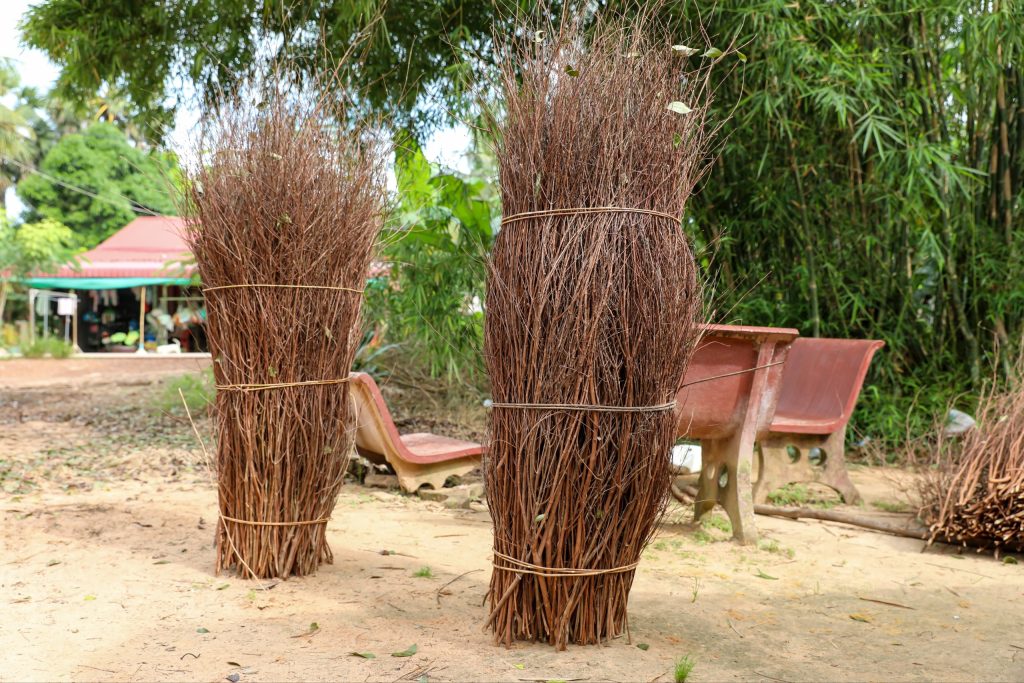
អំបោសជាសម្ភារប្រើប្រាស់ប្រចាំមួយដ៏ចាំបាច់សម្រាប់ជីវភាពរស់នៅ ប្រើសម្រាប់បោសសម្អាតផ្ទះ ទីធ្លា និងតាមដងផ្លូវជាដើម។ អំបោសដែលធ្វើពីដើមរុក្ខជាតិមានច្រើនប្រភេទ ប៉ុន្តែអ្នកភូមិសំរោង ឃុំលាងដៃ ស្រុកអង្គរធំ ច្រើនធ្វើវាពីដើមពួច និងដើមម្រេចទន្សាយ។
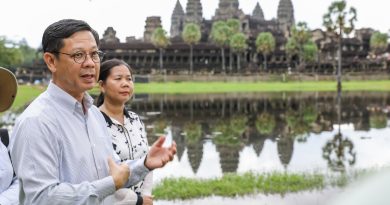
លោក រឿម សារ៉ូ គឺជាគ្រួសារមួយក្នុងចំណោមគ្រួសារផ្សេងទៀតដែលប្រកបរបរធ្វើអំបោសលក់។ លោកត្រូវចេញទៅរកដើមរុក្ខជាតិនៅតាមព្រៃនានាដើម្បីមកផលិតអំបោសលក់ ដែលសព្វថ្ងៃចេញទៅរកនៅស្រុកស្ទោង ខេត្តកំពង់ធំ ខណៈដែលព្រៃក្នុងភូមិកាន់តែខ្សត់។ បុរសរូបនេះប្រាប់ថា ក្នុងមួយជើងលោកត្រូវចំណាយពេលយ៉ាងតិចជិត១០ថ្ងៃ ដើម្បីអាចរក និងកាប់ដើមពួច និងម្រេចទន្សាយពេញគោយន្ត ដែលពេលវេលានេះ តម្រូវឱ្យលោក រួមនិងអ្នកភូមិឯទៀតត្រូវបោះតង់គេងនៅក្នុងព្រៃ។
ចំណែកអ្នកស្រី រឹម ហាវ ត្រូវជាភរិយាប្រាប់ថា ក្នុងមួយជើងៗ អាចកាត់រុក្ខជាតិសម្រាប់ធ្វើអំបោសបានចាប់ពី ៥០០ ទៅ ៦០០ ដុំ ឬពេលខ្លះអាចដល់ ១ពាន់ដុំក៏មានដែរ ប្រសិនបើរកបានច្រើន។ ក្នុងអំបោស១ ដុំ ឈ្មួញកណ្តាលប្រមូលទិញក្នុងតម្លៃ ៥០០ ទៅ ៦០០ រៀល។
ទោះបីតម្លៃមិនសូវបានខ្ពស់ ប៉ុន្តែអ្នកភូមិសំរោងរូបនេះបានបញ្ជាក់ថា ការងារនេះបានជួយសម្រួលបន្ទុកគ្រួសារបានមួយផ្នែកធំ ក្រៅពីធ្វើស្រែ និងស៊ីឈ្នួលគេផ្សេងៗទៀត។ ជាងនេះទៅទៀត របរធ្វើអំបោសនេះជារបរតជំនាន់។ អ្នកស្រី រឹម ហាវ បញ្ជាក់ថា អ្នកស្រីចេះធ្វើអំបោសនេះលក់តាំងពីអ្នកស្រីអាយុ ២០ ឆ្នាំមកម្ល៉េះ។
សម្រាប់រមណីយដ្ឋានអង្គរ អំបោសប្រភេទនេះគេឃើញមានប្រើក្នុងការបោសសម្អាតតាមបរិវេណនានា ពិសេសទីដែលសម្បូរស្លឹកឈើ ដែលអំបោសប្រភេទនេះបោសបានស្អាត និងមានប្រសិទ្ធភាពជាងអំបោសដទៃ៕
អត្ថបទ៖ នាង សំណាង
រូបភាព៖ ស៉ិន ប្រណី
Brooms are essential household items used in everyday life for sweeping and cleaning houses, courtyards, roads, and other areas. Although brooms can be made from various types of plants, residents of Samrong Village, Liang Dai Commune, Angkor Thom District, traditionally make them from two particular plants known locally as Puoch and Mrech Tonsay.
Mr. Roeum Saroe is one of several families in the village who earn a living by making and selling brooms. To obtain the raw materials, he travels to different forest areas to collect and cut the plants. Nowadays, he has to travel to Stoung District, Kampong Thom Province, as the forests around his village have become increasingly scarce in these resources. He explained that each trip takes at least nearly 10 days to collect enough Puoch and Mrech Tonsay plants to fill a motorized cart. During this time, he and other villagers have to set up tents and stay overnight in the forest.
His wife, Mrs. Reum Hav, explained that each trip can yield between 500 and 600 bundles of plant materials for broom-making, and sometimes as many as 1,000 bundles when the plants are plentiful. Middlemen purchase each finished broom for between 500 and 600 riels.
Although the income from this occupation is relatively modest, Mrs. Reum Hav emphasized that broom-making provides substantial support for her family’s livelihood, supplementing their income from rice farming and other daily-wage jobs. Moreover, broom-making is a traditional family occupation passed down through generations. She noted that she has been making brooms for sale since she was 20 years old.
Within the Angkor Archaeological Park, this type of broom is commonly used to clean various areas, particularly places with abundant fallen leaves. It is considered more effective at sweeping and cleaning such areas than many other types of brooms.
Article by Neang Samnang
Photos by Sin Broney
Translation by Net Phirun