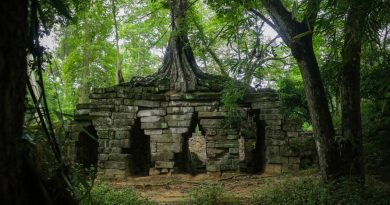
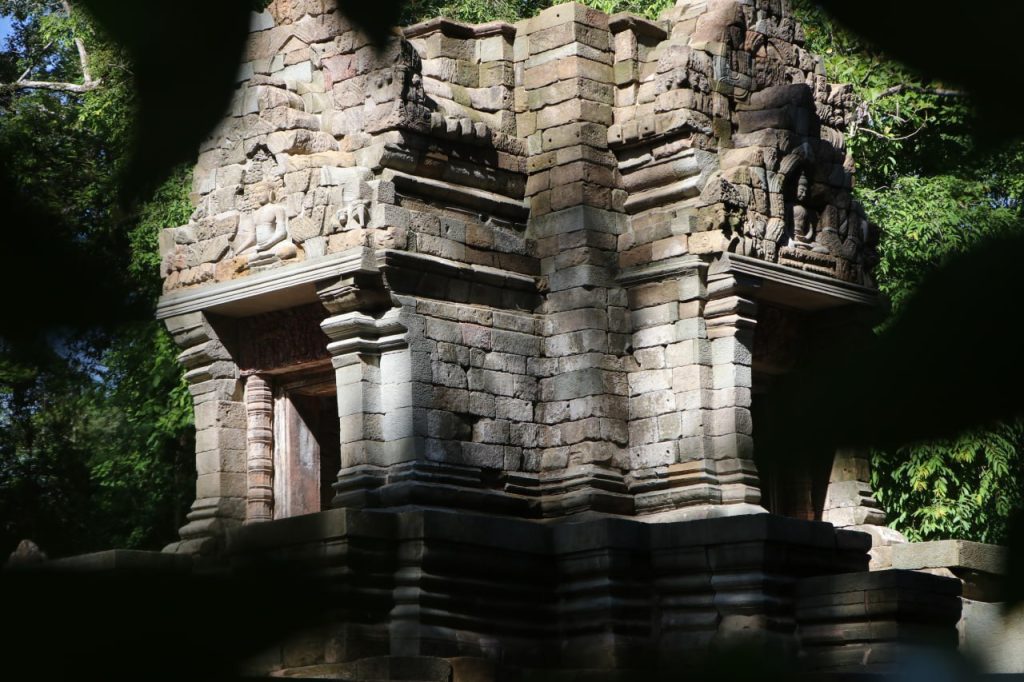
ប្រាសាទតុបខាងលិច ឬត្រូវបានចុះបញ្ជីសារពើភណ្ឌស្ថាបត្យកម្មបុរាណដោយសាលាបារាំងចុងបូព៌ា (EFEO) ក្រោមលេខ ៤៨៦ គឺជាប្រាសាទបុរាណមួយដែលមានទីតាំងស្ថិតនៅក្នុងបរិវេណក្រុងអង្គរធំ។ ប្រាសាទនេះស្ថិតនៅទិសនិរតីនៃប្រាសាទបាយ័ន (ចន្លោះប្រាសាទបាយ័ន និងខ្លោងទ្វារតាកាវ) ក្នុងខេត្តសៀមរាប។
តាមរយៈការសិក្សាស្រាវជ្រាវផ្នែកបុរាណវិទ្យា ស្ថាបត្យកម្ម និងសិលាចារឹក ប្រាសាទតុបខាងលិចមិនមែនសាងសង់បញ្ចប់ក្នុងរជ្ជកាលតែមួយនោះទេ។ ប៉ុន្តែមានការសាងសង់បន្ថែម កែប្រែ និងប្រើប្រាស់បន្តបន្ទាប់គ្នាចាប់ពីសតវត្សរ៍ទី៩ រហូតដល់សតវត្សរ៍ទី១៩៖
ដំណាក់កាលទី១ (ចុងសតវត្សរ៍ទី៩ ដល់សតវត្សរ៍ទី១០ – សម័យអង្គរដើម) តាមភស្តុតាងសិលាចារឹក K.576 ដែលរកឃើញនៅជ្រុងអាគ្នេយ៍នៃខឿនប្រាសាទខាងជើងក្នុងឆ្នាំ ១៩២៤ ចារជាភាសាសំស្ក្រឹត និងភាសាខ្មែរបុរាណ។ ខ្លឹមសារបានបញ្ជាក់ថា នៅចន្លោះឆ្នាំ ៨៨៩ ដល់ ៩០៨ នៃគ.ស. នៅក្នុងរជ្ជកាលព្រះបាទយសោវម៌ទី១។ ដើមឡើយប្រាសាទនេះ ជាតួប្រាសាទទោល។ គ្រឿងលម្អស្ថាបត្យកម្មមួយចំនួននៅតួកណ្តាល ដូចជា សសរពេជ្រ និងផ្តែរទ្វារ ធ្វើអំពីថ្មភក់ពណ៌ផ្កាឈូកសាច់រឹង ដែលមានលក្ខណៈបច្ចេកទេស និងរចនាបថស្រដៀងគ្នានឹងសិល្បៈប្រាសាទបន្ទាយស្រី (សតវត្សរ៍ទី១០)។
ដំណាក់កាលទី២ (សតវត្សរ៍ទី១៣ ដល់សតវត្សរ៍ទី១៩ – សម័យកែប្រែពីសំណង់ប្រាសាទព្រហ្មញ្ញសាសនា មកព្រះពុទ្ធសាសនា) មានការកសាងបន្ថែមតួប្រាសាទ។ ពោលគឺនៅសម័យកាលក្រោយមក គេបានសង់ខឿនថ្មភក់បន្ថែម និងបានសាងសង់កូនប្រាសាទអមសងខាងចំនួនពីរទៀត ធ្វើឱ្យរចនាសម្ព័ន្ធប្រាសាទប្រែជាមានតួក្តីចំនួនបីតម្រៀបគ្នានៅលើខឿនរួមតែមួយ។ តាម លោក Henri Marchal (១៩២៥) បានកត់សម្គាល់ថា ផ្តែរ និងសសរពេជ្រនៅក្តីកណ្តាល បានគេយកមកពីទីតាំងផ្សេង ដោយបានកាត់តម្រឹមទំហំឱ្យត្រូវនឹងទ្វារប្រាសាទនេះ។ ចំពោះទ្វារបញ្ឆោតនៃក្តីអមសងខាង គ្មានការបំពាក់សសរពេជ្រ ឬផ្តែរដូចប្រាសាទបុរាណទូទៅឡើយ។ ប៉ុន្តែមានបំពាក់ចម្លាក់ជារូបព្រះពុទ្ធទ្រង់ឈរ (អភ័យមុទ្រា) ជំនួសវិញ។ ផ្អែកលើចម្លាក់ព្រះពុទ្ធដែលមានកេសចតុរង្គ/ឧស្ណីស (Uṣṇīṣa) ស្រួចវែងដូចអណ្តាតភ្លើងនេះ គេអាចសន្និដ្ឋានបានថា ប្រាសាទនេះត្រូវបានកែប្រែជាទីសក្ការបូជាព្រះពុទ្ធសាសនា និងបន្តមានសកម្មភាពរហូតដល់សតវត្សរ៍ទី១៩។
លើសពីនេះ នៅខាងកើតមុខក្តីកណ្តាល មានខឿនលើកខ្ពស់ដែលភ្ជាប់ដោយជណ្តើរឡើងពីទិសខាងកើត។ នៅផ្នែកខាងលិចនៃខឿននេះ មានបល្ល័ង្កព្រះធំមួយ ព្រមទាំងសំណល់ក្បឿងរាយប៉ាយ ដែលជាភស្តុតាងបង្ហាញថាទីនេះធ្លាប់ជា ឧបោសថាគារនៃព្រះពុទ្ធសាសនាថេរវាទ ដែលសង់អំពីឈើប្រកក្បឿង។ ទន្ទឹមនឹងនេះដែរ នៅជុំវិញបរិវេណប្រាសាទ មានខឿនថ្មបាយក្រៀមទាប និងមានរៀបចំសីមាទិសទាំង៨ ព័ទ្ធជុំវិញយ៉ាងត្រឹមត្រូវ។
ចំពោះប្រវត្តិការស្រាវជ្រាវ និងការអភិរក្សវិញ យើងឃើញមានសកម្មភាពបន្តបន្ទាប់ក្នុងរយៈពេល១០០ឆ្នាំកន្លងមកនេះ ដូចជា៖ ក្នុងឆ្នាំ ១៩២៤–១៩២៥ លោក Henri Marchal នៃមន្ទីរអភិរក្សអង្គរ បានដឹកនាំការកាយដីលុបបាត់បង់ និងសិក្សាពីស្ថាបត្យកម្មប្រាសាទលេខ ៤៨៦ នេះយ៉ាងលម្អិត ព្រមទាំងបានរកឃើញសិលាចារឹក K.576។ នៅចន្លោះឆ្នាំ ១៩៥៤–១៩៦២ លោក Bernard Philippe Groslier បានធ្វើកំណាយស្រាវជ្រាវ និងប្រមូលវត្ថុសិល្បៈសំខាន់ៗជាច្រើន (ដូចជា ចម្លាក់គោលសីមា បដិមាទោល ព្រះកេស និងបំណែកស្ថាបត្យកម្ម) យកទៅរក្សាទុកនៅអភិរក្សដ្ឋានអង្គរ។
ក្រោយសម័យខ្មែរក្រហម នាទសវត្សឆ្នាំ១៩៨០–១៩៩០ មន្ត្រីជំនាញនៃអភិរក្សដ្ឋានអង្គរបានបន្តប្រមូល និងចុះបញ្ជីសារពើភណ្ឌវត្ថុសិល្បៈបន្ថែម មានផ្តែរទ្វារ ចម្លាក់តោ ក្បាលនាគ កញ្ចែង កំពូលប្រាសាទ សសរពេជ្រ និងហោជាង ដើម្បីការពារពីការបាត់បង់។
នៅក្រោយពេលទទួលចំណាត់ថ្នាក់ជាបេតិកភណ្ឌពិភពលោក មក ពោលគឺចាប់ឆ្នាំ ២០០១ ដល់បច្ចុប្បន្ន តាមរយៈការសម្របសម្រួល និងសំណូមពរពីលោកសាស្ត្រាចារ្យ អាំង ជូលាន អាជ្ញាធរជាតិអប្សរាបានសហការជាមួយវិទ្យាស្ថានជាតិស្រាវជ្រាវបេតិកភណ្ឌវប្បធម៌ណារ៉ា (Nara National Research Institute for Cultural Properties) នៃប្រទេសជប៉ុន បានធ្វើការស្រាវជ្រាវបុរាណវិទ្យា និងជួសជុលអភិរក្សប្រាសាទតុបខាងលិចនេះឡើងវិញលក្ខណៈបច្ចេកទេសសម័យទំនើប និងឆ្លើយតបតាមអនុសាសន៍នៃអ្នកជំនាញអាយស៊ីស៊ីអង្គរផង៕
អត្ថបទ៖ ការិយាល័យផ្សព្វផ្សាយ
រូបភាព៖ ភោគ ជា
West Top Temple, listed as Temple No. 486 in the architectural inventory of the École française d’Extrême-Orient (EFEO), is an ancient temple located within Angkor Thom, southwest of the Bayon and between the Bayon and Takav Gate.
Archaeological, architectural, and epigraphic evidence shows that the temple developed through several phases of construction and religious use from the late 9th century to the 19th century.
The earliest phase dates to the reign of King Yasovarman I (889–908 CE). This is supported by inscription K.576, discovered in 1924 at the southeast corner of the northern temple platform. Written in Sanskrit and Old Khmer, the inscription provides important evidence for the temple’s early history. The original structure appears to have been a single-tower temple, with pink sandstone pillars and lintels displaying architectural characteristics comparable to the 10th-century artistic style of Banteay Srei.
From around the 13th century onward, the temple underwent major changes as it was transformed from a Hindu sanctuary into a Buddhist religious site. The sandstone platform was enlarged, and two smaller structures were added beside the central temple, creating a three-structure arrangement on a shared base. Their false doors are unusually decorated with standing Buddha images rather than conventional colonnettes and lintels. The long, flame-like uṣṇīṣa of these Buddha images provides further evidence of the temple’s later Buddhist use.
East of the central structure is a raised platform with a large Buddha pedestal and scattered roof tiles. These remains suggest that the site once included a wooden Theravada Buddhist ordination hall with a tiled roof. Stone boundary markers arranged in the eight cardinal and intercardinal directions further demonstrate the religious organization of the temple precinct.
West Top Temple has been the subject of archaeological research and conservation for more than a century. In 1924–1925, Henri Marchal of the Angkor Conservation Office excavated and studied the temple, during which inscription K.576 was discovered.
Between 1954 and 1962, Bernard Philippe Groslier carried out further archaeological excavations and recovered numerous important artifacts, including boundary stones, statues, sculpted heads, and architectural fragments.
During the 1980s and 1990s, specialists from the Angkor Conservation Office continued collecting and documenting surviving architectural elements, including lintels, lion statues, naga heads, pediments, temple pinnacles, decorated pillars, and tympanums.
Since 2001, following the inscription of Angkor as a UNESCO World Heritage Site, the APSARA National Authority has continued research and conservation at West Top Temple in cooperation with Japan’s Nara National Research Institute for Cultural Properties. With the facilitation of Professor Ang Choulean, the collaboration has supported archaeological research and restoration using modern technical methods and following the recommendations of ICC-Angkor experts.
Article by: Office of Communication
Photos by: Phouk Chea
Translation by: Net Phirun