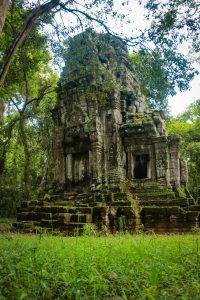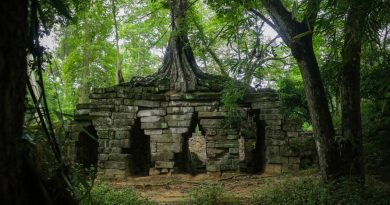
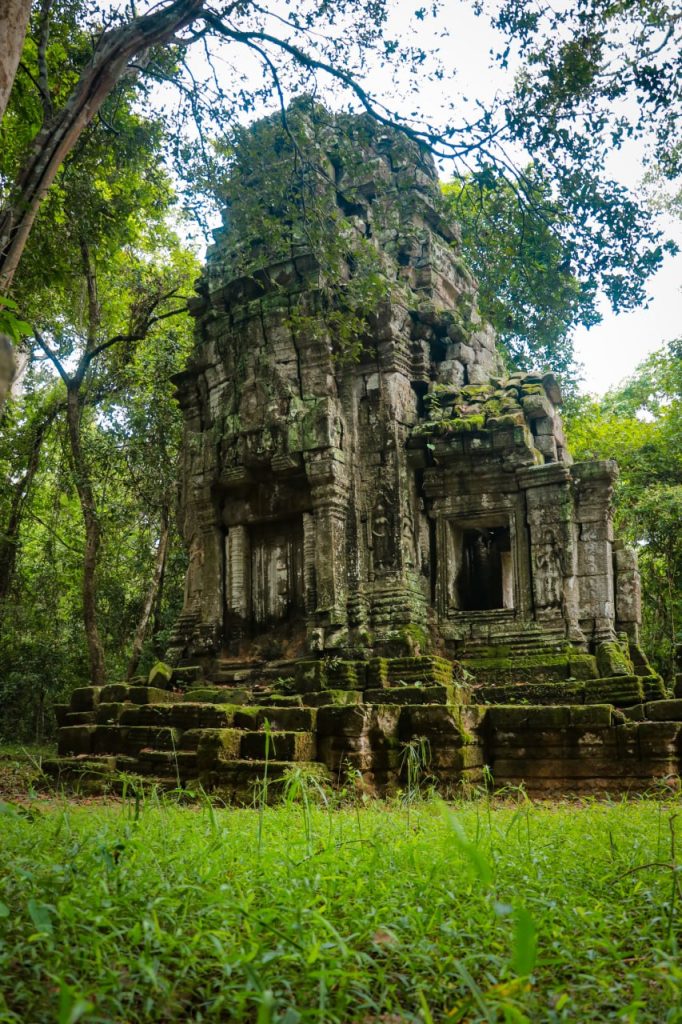
ប្រាសាទលាក់នាង មានទីតាំងស្ថិតនៅចំទិសខាងលិចនៃប្រាសាទតាកែវ។ ប្រាសាទនេះមានរចនាសម្ព័ន្ធបែរមុខទៅរកប្រាសាទតាកែវដោយផ្ទាល់។ ប្រាសាទនេះបានស្ថាបនាឡើងនៅចុងសតវត្សរ៍ទី១២ ក្នុងរជ្ជកាលព្រះបាទជ័យវម៌ទី៧។ ជាប្រាសាទមិនត្រឹមតែជាទីសក្ការបូជាខាងសាសនាដូចប្រាសាទដទៃនោះឡើយ ប៉ុន្តែថែមទាំងជា ប្រាសាទដែលបានកសាងក្នុងបរិវេណ «អារោគ្យសាលា» (មន្ទីរពេទ្យបុរាណ) មួយក្នុងចំណោមអារោគ្យសាលាទាំង១០២ នៅទូទាំងចក្រភពខ្មែរ។
នៅក្នុងរជ្ជកាលព្រះបាទជ័យវម៌ទី៧ (ចុងសតវត្សរ៍ទី១២) ចក្រភពខ្មែរមានការរីកចម្រើនយ៉ាងខ្លាំងលើវិស័យសុខាភិបាល និងការថែទាំសុខុមាលភាពប្រជារាស្ត្រ។ ភស្តុតាងប្រវត្តិសាស្ត្រដ៏សំខាន់មួយ មានបង្ហាញពីការប្រើប្រាស់ក្បួនខ្នាតវេជ្ជសាស្ត្របុរាណដ៏គួរឱ្យចាប់អារម្មណ៍នៅលើចម្លាក់មួយនៃប្រាសាទនេះ។
សូមរំឭកថា វិស័យសុខាភិបាលសម័យអង្គរ បានរៀបចំឡើងដោយឈរលើស្មារតីមនុស្សធម៌ និងការទទួលខុសត្រូវខ្ពស់ពីព្រះមហាក្សត្រ ដូចដែលមានចារឹកក្នុងសិលាចារឹកតម្កល់ក្នុងមន្ទីរពេទ្យថា៖ «ជំងឺផ្លូវកាយរបស់ប្រជារាស្ត្រ គឺជាជំងឺផ្លូវចិត្តរបស់ព្រះរាជា ហើយទុក្ខឈឺចាប់របស់ប្រជារាស្ត្រ គឺរឹតតែឈឺចាប់ជាងការឈឺចាប់របស់ព្រះរាជាទៅទៀត»។
ប្រព័ន្ធសុខាភិបាលនៃចក្រភពខ្មែរមិនត្រឹមតែជាកន្លែងសម្រាកព្យាបាលជំងឺប៉ុណ្ណោះទេ។ ប៉ុន្តែមានការបែងចែកតួនាទីយ៉ាងច្បាស់លាស់ រួមមាន៖ គ្រូពេទ្យជាវេជ្ជបណ្ឌិត គិលានុបដ្ឋាយិកា ឱសថការី គ្រូពេទ្យជំនួយ អ្នកមើលថែទាំជំងឺ អ្នកកិនថ្នាំ ។ល។ នៅក្នុងមន្ទីរពេទ្យមានកន្លែងសម្រាកព្យាបាល កន្លែងសង្គ្រោះអ្នកក្រខ្សត់ អ្នកដាច់សង្វែង មានម្ហូបអាហារសម្រាប់អ្នកអត់ឃ្លាន។ល។
ផ្អែកលើចម្លាក់ថ្មភក់ដ៏កម្រនៅលើបំណែកហោជាងនៃប្រាសាទលាក់នាង យើងឃើញពីវិធីសាស្ត្រ និងក្បួនខ្នាតពិនិត្យជំងឺយ៉ាងល្អិតល្អន់របស់ដូនតាខ្មែរ។ នោះគឺការស្ទង់ជីពចរ ដែលរូបចម្លាក់បានបង្ហាញយ៉ាងច្បាស់អំពីសកម្មភាពរបស់គ្រូពេទ្យបុរាណដែលកំពុងលូកដៃទៅចាប់កាន់ និងសង្កត់លើកដៃរបស់អ្នកជំងឺដើម្បី «ស្ទង់ជីពចរ»។ នេះជាវិធីសាស្ត្រធ្វើរោគវិនិច្ឆ័យយ៉ាងសំខាន់តាមវិស័យវេជ្ជសាស្រ្តបុរាណ ដើម្បីវាយតម្លៃពីចង្វាក់បេះដូង លំហូរឈាម និងស្ថានភាពសរីរាង្គខាងក្នុងរបស់អ្នកជំងឺ មុននឹងសម្រេចចិត្តផ្សំថ្នាំ ឬជ្រើសរើសវិធីព្យាបាល។
ចម្លាក់នៅប្រាសាទលាក់នាង មិនត្រឹមតែជាសិល្បៈរចនាបថបាយ័នដ៏ល្អប៉ុណ្ណោះទេ។ ប៉ុន្តែគឺជា «ឯកសារប្រវត្តិសាស្ត្រវេជ្ជសាស្ត្រ» ដ៏កម្រ និងមានតម្លៃជាសារវន្ត ដែលបញ្ជាក់យ៉ាងច្បាស់ថា ដូនតាខ្មែរមានចំណេះដឹងជ្រៅជ្រះលើវិទ្យាសាស្ត្រសុខាភិបាល និងក្បួនវេជ្ជសាស្ត្រច្បាស់លាស់តាំងពីមួយពាន់ឆ្នាំមុនមកម៉្លេះ។
ការឈានជើងចូលទស្សនាប្រាសាទលាក់នាង គឺជាការស្វែងយល់ពីឬសគល់នៃវិស័យសុខាភិបាលខ្មែរបុរាណ និងជាមោទនភាពនៃបេតិកភណ្ឌវេជ្ជសាស្ត្រជាតិដែលយើងគ្រប់គ្នាត្រូវរួមគ្នាអភិរក្ស និងលើកតម្លៃ ព្រមទាំងទទួលយកមោទនភាពជាតិផង៕
អត្ថបទ៖ ការិយាល័យផ្សព្វផ្សាយ
រូបភាព៖ សឿន ប៊ុនស៊រ
Located directly west of Ta Keo Temple and facing it, Leak Neang Temple dates to the late 12th century, during the reign of King Jayavarman VII. Unlike many temples of the Angkor period, Leak Neang was built within the grounds of an ancient hospital—part of a network of 102 hospitals established across the Khmer Empire.
Under King Jayavarman VII, healthcare and public welfare received considerable attention. Historical inscriptions associated with the hospitals reflect the king’s concern for the well-being of his people. One inscription expresses this humanitarian spirit, stating that the physical suffering of the people caused the king deep anguish, and that their pain was greater than his own.
The hospitals of the Angkor era were more than places of medical treatment. They appear to have had an organized system involving physicians, nurses, pharmacists, medical assistants, caregivers, and those responsible for preparing medicines. Facilities also included areas for patients, support for the poor and vulnerable, and provisions to help feed those in need.
One of the most remarkable pieces of evidence of ancient Khmer medical knowledge can be seen at Leak Neang Temple. A rare sandstone relief on a pediment fragment depicts what appears to be a physician examining a patient by taking their pulse. The carving clearly shows the practitioner holding and pressing the patient’s wrist—an important diagnostic practice in traditional medicine.
This remarkable depiction provides a glimpse into the medical knowledge and practices of the Angkor period. Alongside its artistic value as an example of Bayon-style sculpture, the carving serves as an important piece of evidence for understanding the history of healthcare in ancient Khmer society.
Leak Neang Temple therefore offers more than a glimpse into the religious and architectural heritage of Angkor. Its surviving carvings also provide valuable insight into the medical practices, social welfare, and humanitarian traditions of the Khmer Empire.
A visit to Leak Neang Temple is an opportunity to discover this lesser-known aspect of Angkor’s heritage and to appreciate the ancient Khmer legacy of caring for the health and well-being of society—an important heritage that deserves to be preserved and valued for future generations.
Article by: Office of Communication
Photos by: Soeun Bunsor