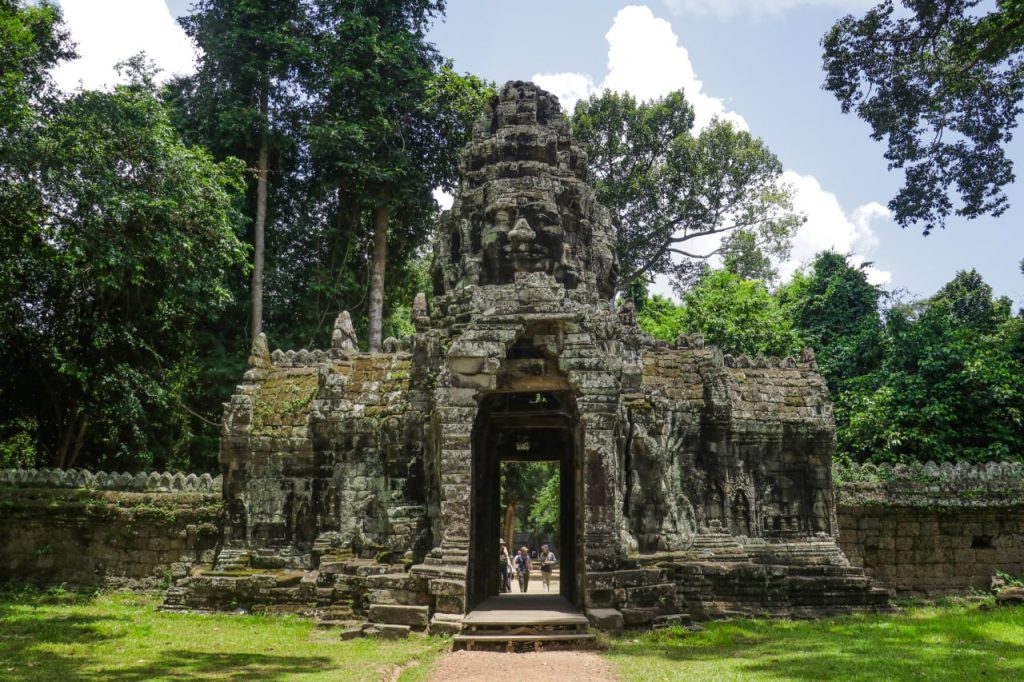
នៅពេលមកដល់ប្រាសាទបុរាណក្នុងតំបន់អង្គរ មហាជនភាគច្រើនតែងនឹកឃើញដល់ទីសក្ការបូជាខាងសាសនា។ ប៉ុន្តែសម្រាប់«ប្រាសាទបន្ទាយក្ដី» ទីតាំងប្រវត្តិសាស្ត្រមួយនេះមានតួនាទីយ៉ាងសំខាន់លើសពីកន្លែងធ្វើពិធីសាសនា ដោយវាគឺជា«មណ្ឌលសិក្សាអប់រំ សារមន្ទីរជីវិត និងជាផ្នែកមួយនៃប្រព័ន្ធនគរូបនីយកម្ម» យ៉ាងមានសណ្តាប់ធ្នាប់ក្នុងសម័យកាលដ៏រុងរឿងនៃចក្រភពអង្គរ។
ប្រាសាទបន្ទាយក្ដី មានទីតាំងស្ថិតនៅខាងត្បូងប្រាសាទតាព្រហ្ម និងនៅចំពីមុខស្រះស្រង់។ ប្រាសាទនេះត្រូវបានកសាងឡើងនៅចុងសតវត្សរ៍ទី១២ ក្នុងរជ្ជកាលព្រះបាទជ័យវម៌ទី៧ ដើម្បីឧទ្ទិសថ្វាយក្នុងព្រះពុទ្ធសាសនាមហាយាន។
តាមទស្សនៈប្រវត្តិសាស្ត្រ និងភាសាសាស្ត្រ ពាក្យ «បន្ទាយក្ដី» ប្រហែលជាមានន័យថា «មណ្ឌលនៃកុដិ» ឬ «ទីប្រជុំនៃមណ្ឌលសិក្សា»។ ទីនេះមិនត្រឹមតែជាអារាមសម្រាប់ព្រះសង្ឃគង់នៅប្រតិបត្តិធម៌ប៉ុណ្ណោះទេ ប៉ុន្តែថែមទាំងជាមណ្ឌលអប់រំ បណ្តុះបណ្តាលសិស្ស និងសមណសិស្សឱ្យរៀនសូត្រវិជ្ជាផ្សេងៗ ទាំងផ្នែកសាសនា ទស្សនវិជ្ជា និងចំណេះដឹងទូទៅនាស្របាលនោះផងដែរ។
ស្ថិតក្នុងរចនាបថបាយ័ន ប្រាសាទបន្ទាយក្ដីកសាងឡើងអំពីថ្មភក់ និងថ្មបាយក្រៀម ដែលមានលក្ខណៈស្រដៀងនឹងប្រាសាទតាព្រហ្ម និងប្រាសាទព្រះខ័នដែរ ប៉ុន្តែមានទំហំល្មមសមរម្យ និងមានប្លង់រៀបចំបង្ហាញទីធ្លាទូលាយយ៉ាងមានសណ្តាប់ធ្នាប់។
ខ្លោងទ្វារចូលទាំងបួនទិស លម្អដោយចម្លាក់ព្រហ្មមុខបួននៅខាងលើ ប្រកបដោយញញឹមប៉ប្រិម បង្ហាញពីមេត្តាធម៌ និងការគ្រប់គ្រងដែនដី ដូចគ្នានឹងខ្លោងទ្វារប្រាសាទបាយ័ន និងទ្វារក្រុងអង្គរធំដែរ។ ចំណុចលេចធ្លោមួយនៅបន្ទាយក្តីគឺ «រោងរបាំ»ឬ«សាលរបាំ» ដែលមានសសរនិងហោជាងលម្អដោយចម្លាក់ទេពអប្សររាំយ៉ាងស្រស់សោភា។ តាមការសិក្សាស្រាវជ្រាវ ចម្លាក់ទាំងនេះមិនមែនត្រឹមតែជារូបអប្សរធម្មតានោះទេ ប៉ុន្តែជា «យោគិនី» ឬទេពនៃអ្នកប្រព្រឹត្តធម៌ ដែលកំពុងរាំថ្វាយពរ និងសម្តែងការសរសើរនៅឋានសួគ៌ ជូនចំពោះព្រះពោធិសត្វ ដើម្បីបង្កើតនូវបរិយាកាសពិសិដ្ឋ និងសិរីមង្គលនៅច្រកចូលទីសក្ការបូជា។
ខុសពីភាពកកកុញនៅប្រាសាទអង្គរវត្ត ឬប្រាសាទបាយ័ន ប្រាសាទបន្ទាយក្ដីផ្តល់ជូននូវបរិយាកាសស្ងប់ស្ងាត់ និងមនោរម្យ ដែលអំណោយផលបំផុតសម្រាប់ការដើរទស្សនាលម្អិត សិក្សាពីក្បូរក្បាច់ចម្លាក់ ស្វែងយល់ពីមណ្ឌលនៃការសិក្សាអប់រំសម័យបុរាណ និងការផ្ដិតយករូបភាពអនុស្សាវរីយ៍។
ការលូតលាស់នៃដើមឈើធំៗ លាយឡំជាមួយសំណង់ថ្មបាក់បែក បង្កើតបានជាទិដ្ឋភាពដ៏អស្ចារ្យ ពោរពេញដោយភាពអាថ៌កំបាំង និងភាពបុរាណ។ ពេលវេលាល្អបំផុតចំពោះអ្នកទស្សនា គឺនៅពេលព្រឹកព្រលឹម និងពេលរសៀល នាពេលដែលពន្លឺព្រះអាទិត្យចាំងឆ្លងកាត់មែកឈើ បង្កើតបានជារស្មី និងស្រមោលយ៉ាងប្រណីតលើជញ្ជាំងថ្ម។
បន្ទាប់ពីបញ្ចប់ការដើរទស្សនា និងសិក្សាស្រាវជ្រាវនៅក្នុងប្រាសាទបន្ទាយក្ដី អ្នកទេសចរគ្រាន់តែឆ្លងផ្លូវបន្តិច នឹងបានទៅដល់ «ស្រះស្រង់» (អាងទឹកសិប្បនិម្មិតដ៏ធំ) ដែលជាទីតាំងដ៏សមស្របសម្រាប់ការសម្រាកលម្ហែកាយ ស្រូបយកខ្យល់អាកាសបរិសុទ្ធ និងទស្សនាទិដ្ឋភាពថ្ងៃរះ និងថ្ងៃរៀបលិចចាំង ពន្លឺព្រះអាទិត្យឆ្លុះលើផ្ទៃទឹកយ៉ាងជក់ចិត្ត។
ប្រាសាទបន្ទាយក្ដី មិនត្រឹមតែជាបូជនីយដ្ឋានសាសនា ឬជាកេរដំណែលប្រវត្តិសាស្ត្រដ៏មានតម្លៃប៉ុណ្ណោះទេ ប៉ុន្តែគឺជាសក្ខីភាពរស់រវើកនៃប្រព័ន្ធអប់រំ នគរូបនីយកម្ម និងភាពរុងរឿងនៃសិល្បៈ អារ្យធម៌ខ្មែរនាវិសាលភាពសម័យអង្គរ ដែលប្រជាពលរដ្ឋខ្មែរ និងអ្នកស្រាវជ្រាវគ្រប់រូបគួរស្វែងយល់ និងទទួលយកមោទនភាពពីអតីតកាល៕
អត្ថបទ៖ ការិយាល័យផ្សព្វផ្សាយ
រូបភាព៖ សឿន ប៊ុនស៊រ
When people think of the ancient temples of the Angkor Archaeological Park, they often imagine places built solely for religious worship. However, Banteay Kdei Temple served a far greater purpose. Beyond being a sacred sanctuary, it functioned as a center of education, a repository of knowledge, and an integral part of the well-organized civilization that flourished during the golden age of the Khmer Empire.
Located south of Ta Prohm Temple and directly opposite Srah Srang, Banteay Kdei was constructed in the late 12th century during the reign of King Jayavarman VII and dedicated to Mahayana Buddhism.
From both historical and linguistic perspectives, the name “Banteay Kdei” is believed to mean “Citadel of Chambers” or “Monastery of Cells,” referring to a monastic complex where monks resided and studied. More than simply a place for Buddhist practice, the temple also served as an educational institution where monks, novices, and students were trained in religious teachings, philosophy, and other branches of knowledge.
Built in the Bayon architectural style, Banteay Kdei is constructed primarily of sandstone and laterite. Although more modest in scale than Ta Prohm and Preah Khan, it features a spacious and well-organized layout that reflects the architectural sophistication of the Angkor period.
The temple’s four entrance gates are crowned with serene four-faced towers, symbolizing compassion, wisdom, and the king’s watchful presence over the kingdom, similar to those found at Bayon and the gates of Angkor Thom.
One of Banteay Kdei’s most remarkable features is its Hall of Dancers, where the pillars and columns are decorated with finely carved female figures. According to archaeological studies, these figures are believed to represent Yoginis—celestial female deities associated with spiritual power and virtue—rather than ordinary apsaras. Their graceful dance symbolizes devotion and blessings offered to the Bodhisattvas, creating a sacred and auspicious atmosphere at the entrance to the temple.
Unlike the bustling crowds at Angkor Wat or Bayon, Banteay Kdei offers visitors a peaceful and tranquil environment. It is an ideal place to appreciate intricate stone carvings, explore the remains of an ancient learning center, conduct historical research, or simply capture memorable photographs.
The temple’s charm is further enhanced by towering trees intertwined with weathered stone structures, creating a breathtaking landscape filled with mystery and timeless beauty. Early morning and late afternoon are the best times to visit, when soft sunlight filters through the trees and casts dramatic patterns of light and shadow across the ancient walls.
After exploring Banteay Kdei, visitors need only cross the road to reach Sras Srang, the large royal reservoir renowned for its spectacular sunrise and sunset views. Its peaceful waters provide a perfect setting to relax, enjoy the fresh air, and admire the reflection of the sky upon the water.
Banteay Kdei Temple is far more than a religious monument or an invaluable archaeological treasure. It stands as a lasting testament to the sophisticated educational system, rich cultural heritage, and remarkable artistic achievements of the Khmer civilization during the Angkor period. It remains a source of national pride and an important site for both Cambodians and researchers seeking to better understand the greatness of Angkor’s past.
Article by: Office of Communication
Photos by: Soeun Bunsor
Translation by: Net Phirun