ផ្ទាំងសិលាចារឹក ដែលបុព្វបុរសខ្មែរបានបន្សល់ទុកនៅតាមប្រាសាទបុរាណនានា មិនត្រឹមតែជាឯកសារបុរាណសម្រាប់ឱ្យអ្នកជំនាន់ក្រោយបានសិក្សាពីអក្សរ និងភាសាប៉ុណ្ណោះទេ ប៉ុន្តែវាគឺជាភស្ដុតាងបែបវិទ្យាសាស្ត្រដ៏រឹងមាំចំពោះប្រវត្តិសាស្ត្រនៃប្រទេសកម្ពុជា ដែលពុំមានជាតិសាសន៍ដទៃណាមកក្លែងបន្លំ ឬលួចចម្លងបានឡើយ។ សិលាចារឹក ក៏ជាកញ្ចក់មួយយ៉ាងសំខាន់ក្នុងការឆ្លុះបញ្ចាំងពីវប្បធម៌ អារ្យធម៌ ប្រពៃណី និងទំនៀមទម្លាប់ ដែលជាមត៌កដូនតាខ្មែររាប់ពាន់ឆ្នាំ និងជាភស្តុតាងពិតនៃអត្តសញ្ញាណជាតិដ៏មានតម្លៃមិនអាចកាត់ថ្លៃបាន។
ដើម្បីកុំឱ្យតម្លៃនៃភស្តុតាងប្រវត្តិសាស្ត្រនេះ រលុបបាត់ទៅតាមពេលវេលា អាជ្ញាធរជាតិអប្សរាបាននិងកំពុងខិតខំប្រឹងប្រែងយ៉ាងខ្លាំងក្នុងការបើកទំព័រប្រវត្តិសាស្ត្រនេះ បង្ហាត់បង្រៀន និងផ្ទេរចំណេះដឹងផ្នែកសិលាចារឹក ដល់យុវជនខ្មែរជំនាន់ក្រោយនៅក្នុងខេត្តសៀមរាបជាបន្តបន្ទាប់។ សកម្មភាពនេះ ធ្វើឡើងក្នុងគោលបំណងឱ្យយុវជនបានស្គាល់ និងយល់ដឹងកាន់តែច្បាស់អំពីប្រវត្តិសាស្ត្រ និងអក្សរសាស្ត្រខ្មែរបុរាណ ដែលជាឫសគល់នៃទឹកដីមាតុភូមិយើង។
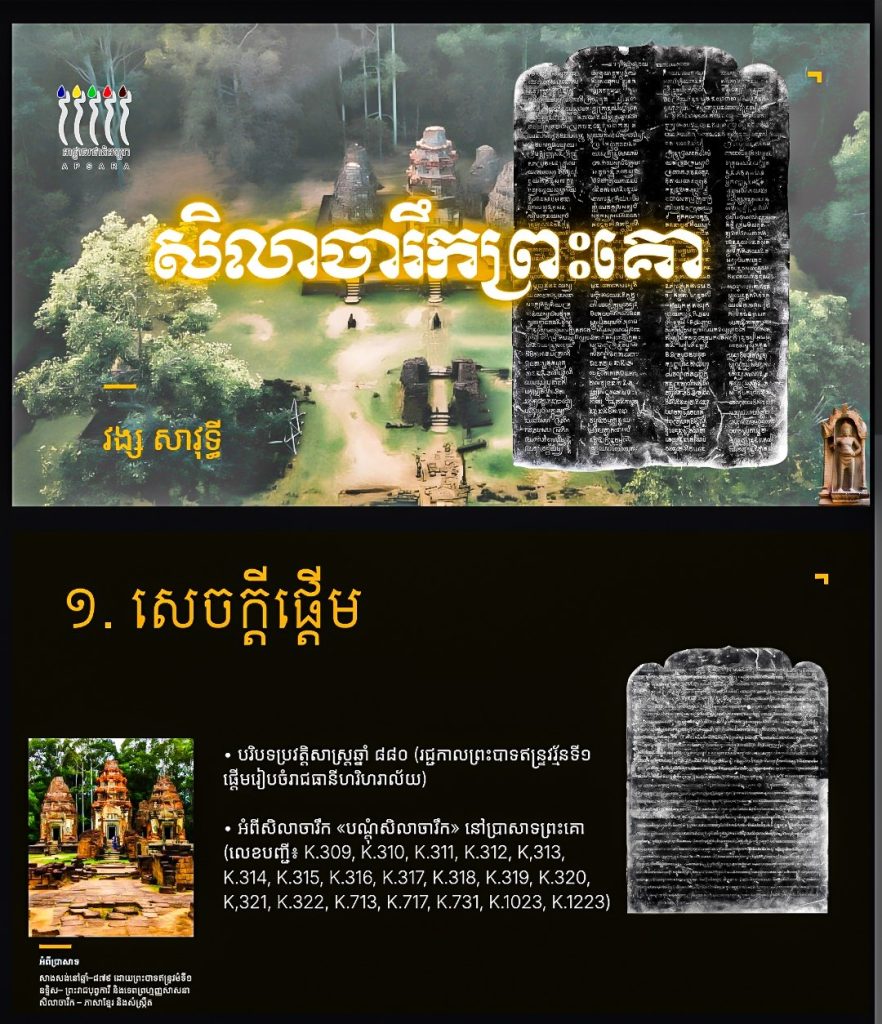
ជាក់ស្ដែងកាលពីពេលថ្មីៗនេះ អាជ្ញាធរជាតិអប្សរាបានរៀបចំវគ្គបណ្តុះបណ្តាលស្ដីអំពី «ការអប់រំបេតិកភណ្ឌ» ដោយសហការណ៍ជាមួយអង្គការម៌តកវប្បធម៌ខ្មែរ (KHO) ដើម្បីផ្សព្វផ្សាយ និងបណ្តុះស្មារតីយុវជនឱ្យចេះស្រឡាញ់ជាតិ និងចូលរួមការពារមត៌កវប្បធម៌។ នៅក្នុងកម្មវិធីនោះ លោកគ្រូបង្គោល វង្ស សាវុទ្ធី និងជាអ្នកជំនាញផ្នែកអក្សរចារឹកនៃអាជ្ញាធរជាតិអប្សរា បានធ្វើបទបង្ហាញស្តីពី «អក្សរចារឹក នៅប្រាសាទព្រះគោ» ជូនដល់សិស្សានុសិស្សមកពីវិទ្យាល័យហ៊ុនសែន ប្រាសាទបាគង ចំនួន៥០នាក់ ដើម្បីសិក្សាស្វែងយល់ពីសារសំខាន់នៃសិលាចារឹក។
ការបង្រៀនឱ្យស្គាល់ពីសិលាចារឹក បានចាប់ផ្តើមឡើងតាមរយៈវិធីសាស្ត្រសិក្សាយ៉ាងរស់រវើក ផ្ដើមកំណើតចេញពីតួអក្សរនៅលើមេទ្វារ ឬទ្វារបញ្ជោត នៃប្រាសាទព្រះគោ ដោយផ្អែកលើមូលដ្ឋានគ្រឹះសំខាន់ៗចំនួន៤ គឺ៖
ទី១ «ស្វែងយល់ពីឫសគល់» ដោយបង្ហាញអំពីប្រវត្តិអក្ខរក្រម ដើម្បីឱ្យសិស្សបានយល់ដឹងពីប្រភពដើម និងការវិវត្តនៃអក្សរខ្មែរ។
ទី២ «ការអនុវត្តសរសេរផ្ទាល់ដៃ» ដោយណែនាំសិស្សឱ្យសាកល្បងសរសេរព្យញ្ជនៈខ្មែរបុរាណ ដើម្បីឱ្យពួកគេស្គាល់ពីលំនាំ និងក្បាច់ក្នុងការគូសវាសតួអក្សរ។
ទី៣ «ការចុះដកពិសោធន៍ដល់ទីតាំងពិត» ដោយនាំសិស្សានុសិស្សចុះទៅអានផ្ទាល់នៅប្រាសាទព្រះគោ ដើម្បីឱ្យឃើញផ្ទាំងសិលាចារឹកពិតប្រាកដ និងរបៀបដែលបុព្វបុរសខ្មែរបានឆ្លាក់ចារទុកអក្សរនៅលើផ្ទាំងថ្ម។
និងទី៤ «ការអាន និងការប្រែសម្រួល» ដោយជ្រើសរើសឃ្លាខ្លីៗពីសិលាចារឹកសម័យបុរាណ មកធ្វើការប្រៀបធៀបជាមួយអក្សរ ឬភាសាខ្មែរសម័យទំនើប ដើម្បីឱ្យប្អូនៗងាយយល់ន័យ។
លោក វង្ស សាវុទ្ធី បានឱ្យដឹងថា គោលគំនិតចម្បងរបស់អាជ្ញាធរជាតិអប្សរា គឺចង់ឱ្យសិស្សានុសិស្សទាំងអស់បានរៀនមើលនឹងភ្នែក កត់ចំណាំនូវអក្សរខ្មែរបុរាណខ្លះ រួចហើយយកមកប្រៀបធៀបជាមួយអក្សរសម័យបច្ចុប្បន្ន។ ការបណ្ដុះបណ្ដាលនេះ នឹងក្លាយជាគ្រឹះដ៏រឹងមាំ និងជាទុនដំបូងសម្រាប់ជួយជំរុញទឹកចិត្តដល់សិស្សានុសិស្សណាដែលមានចំណាប់អារម្មណ៍ ចង់បន្តការសិក្សាលើជំនាញសិលាចារឹកនេះនៅថ្នាក់ឧត្តមសិក្សានាពេលអនាគត។
ជាចុងក្រោយ វគ្គបណ្តុះបណ្តាលនេះ បានបំផុសសារដាស់តឿនមួយថា យុវជនខ្មែរជំនាន់ថ្មី គឺជាអ្នកបន្តវេនដ៏មានថាមពលក្នុងការការពារ ស្រឡាញ់ និងអភិរក្សមត៌កវប្បធម៌ដ៏ឧត្តុង្គឧត្តមនេះ។ ការរួមគ្នាសិក្សាស្វែងយល់ និងថែរក្សាសិលាចារឹក គឺជាកាតព្វកិច្ចដ៏វិសេសវិសាលក្នុងការរក្សាការពារព្រលឹង និងអត្តសញ្ញាណជាតិខ្មែរឱ្យគង់វង្សស្ថិតស្ថេរជានិរន្តរ៍តទៅ៕
អត្ថបទ៖ ឆាយ ផាន់នី
រូបភាព៖ ស៊ិន ប្រណី
Inscriptions play a vital role in helping the younger generation of Cambodia continue to preserve the nation’s culture, history, and identity.
Inscription experts from the APSARA National Authority are working diligently to teach and transfer knowledge of ancient inscriptions to Cambodian youth in Siem Reap Province. Through this effort, students gain a deeper understanding of ancient Khmer history and literature, which serve as some of the most important sources of historical evidence.
Recently, the APSARA National Authority, in collaboration with the Khmer Heritage Organization (KHO), organized a training course on “Heritage Education” aimed at fostering patriotism among young people and encouraging them to protect the cultural heritage that forms the foundation of their homeland.
As part of the program, Mr. Vong Savuthy, an inscription expert and trainer from the APSARA National Authority, delivered a presentation on “Inscriptions at Preah Ko Temple” to 50 students from Hun Sen Prasat Bakong High School. The session focused on raising awareness of the importance of studying inscriptions and understanding their historical significance.
The training began with an introduction to the ancient Khmer alphabet and the inscriptions carved on the main doorways of Preah Ko Temple. The course included several key activities:
-Presenting the history of the Khmer alphabet to help students understand the origins and development of Khmer script.
-Writing practice, allowing students to learn and reproduce ancient Khmer characters while becoming familiar with their forms and styles.
-Field observation at Preah Ko Temple, where students examined inscriptions directly and learned how their ancestors carved letters into stone.
-Reading and translation exercises, using short excerpts from ancient inscriptions and comparing them with modern Khmer language and script.
According to Mr. Vong Savuthy, the main objective of the APSARA National Authority’s inscription program is to enable students to recognize and understand ancient Khmer characters and compare them with modern Khmer writing.
Through these educational activities, APSARA experts are helping the next generation understand what Khmer inscriptions are and how to read and interpret them, providing a foundation for students who may wish to pursue advanced studies in epigraphy in the future.
Experts also emphasized the importance of appreciating the inscriptions left by Cambodia’s ancestors in ancient temples. These inscriptions are not only valuable historical documents that preserve ancient writing and language for future generations, but they also serve as scientific evidence of Cambodian history that cannot be altered or fabricated.
Moreover, inscriptions are important records that reflect the culture, civilization, traditions, and customs of Cambodian ancestors over thousands of years. They remain authentic testimonies to the enduring and priceless identity of the Khmer people.
Article by Chhay Phanny
Photos by Sin Broney
Translation by Net Phirun