ប្រាសាទតាសោម ស្ថិតនៅក្នុងតំបន់ទេសចរណ៍វប្បធម៌និងបេតិកភណ្ឌវប្បធម៌មួយក្នុងរមណីយដ្ឋានអង្គរដ៏ទាក់ទាញ។ នេះជាការបង្ហាញពីភាពសុខដុមរមនាយ៉ាងវិសេសវិសាលរវាងសំណង់ស្ថាបត្យកម្មបុរាណ បរិស្ថានធម្មជាតិនិងទេសភាពវប្បធម៌។ ប្រាសាទនេះមានទីតាំងស្ថិតនៅក្នុងវង់ធំនៃរមណីយដ្ឋានអង្គរ ក្នុងភូមិតាកុះ ឃុំព្រះដាក់ ស្រុកបន្ទាយស្រី ខេត្តសៀមរាប។
បើតាមប្រវត្តិសាស្ត្រ ប្រាសាទតាសោមត្រូវបានកសាងឡើងនៅចុងសតវត្សទី១២ ក្នុងរជ្ជកាលព្រះបាទជ័យវម៌ទី៧ ដើម្បីធ្វើជាទីសក្ការបូជាក្នុងព្រះពុទ្ធសាសនាមហាយាន និងឧទ្ទិសដល់ព្រះលោកេសូរ ដែលមានបង្ហាញលើចម្លាក់ផ្ដែរនិងនៅលើជញ្ជាំងប្រាសាទ ដែរ។ ទោះជាយ៉ាងណាក៏ដោយ រហូតមកដល់ពេលនេះ ក្រុមអ្នកស្រាវជ្រាវនៅមិនទាន់បានរកឃើញសិលាចារឹក ដែលបញ្ជាក់ព័ត៌មានលម្អិតជាក់លាក់ជាងនេះនៅឡើយទេ។
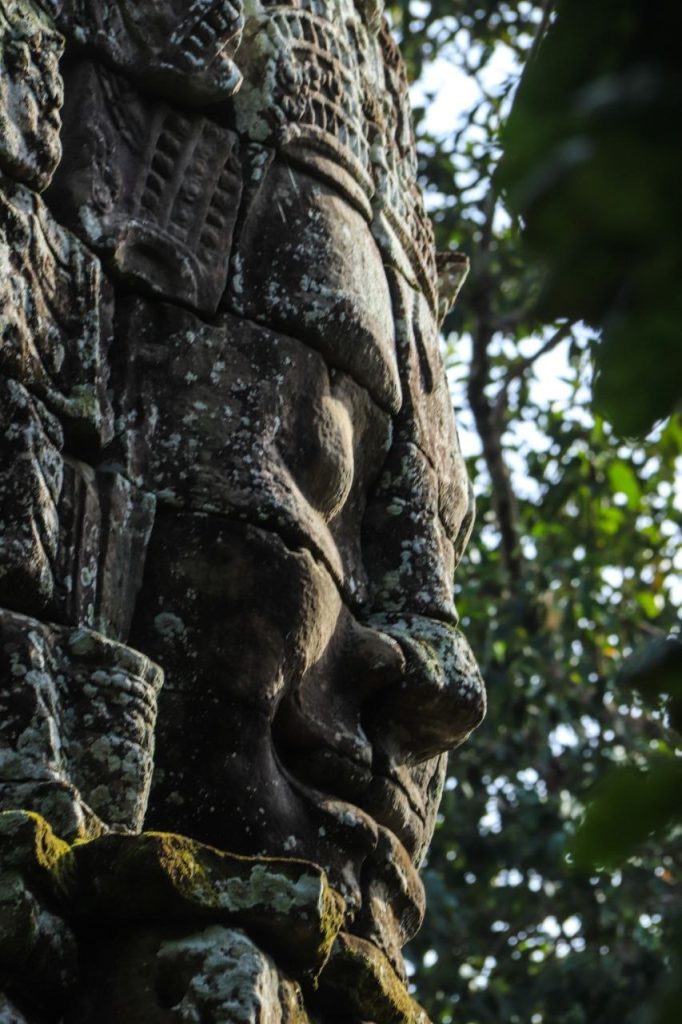
ចំពោះរចនាសម្ព័ន្ធស្ថាបត្យកម្ម ប្រាសាទតាសោមបានសាងសង់ឡើងដោយថ្មភក់ និងថ្មបាយក្រៀម។ ប្រាសាទនេះមានកំពែងខណ្ឌដាច់ពីគ្នា ចំនួន២ជាន់ និងមានខ្លោងទ្វារចេញចូលចំនួនពីរ បែរមុខទៅទិសខាងកើត និងទិសខាងលិច។ អ្វីដែលជាចំណុចលេចធ្លោនោះគឺ ខ្លោងទ្វារនីមួយៗមានមុខព្រហ្មបួនធំៗ និងត្រូវបានលម្អទៅដោយក្បូរក្បាច់រចនាយ៉ាងប្រណីត។
បច្ចុប្បន្ន អាជ្ញាធរជាតិអប្សរាបានសហការជាមួយអង្គការមូលនិធិសំណង់ប្រាសាទពិភពលោក (WMF) ដើម្បីធ្វើការជួសជុល និងអភិរក្សផ្នែកដែលរងការខូចខាត និងទ្រុឌទ្រោមមួយចំនួន។ កិច្ចការងារនេះធ្វើឡើងដើម្បីថែរក្សាការពារប្រាសាទតាសោម ឱ្យនៅតែរក្សាបាននូវសម្រស់ភាពដើមដែលរួមបញ្ចូលគ្នារវាងបេតិកភណ្ឌវប្បធម៌ បរិស្ថានធម្មជាតិនិងទេសភាពវប្បធម៌ ដ៏កម្រនិងទាក់ទាញ សម្រាប់ស្វាគមន៍ភ្ញៀវទេសចរជាតិនិងអន្តរជាតិមកទស្សនាកម្សាន្ត៕
អត្ថបទ&រូបភាព៖ ការិយាល័យផ្សព្វផ្សាយ
Ta Som Temple is located within the cultural and heritage tourism zone of the magnificent Angkor Archaeological Park. It stands as a remarkable example of the harmonious relationship between ancient architecture, the natural environment, and the surrounding cultural landscape. The temple is situated along the Grand Circuit route in Takos Village, Preah Dak Commune, Banteay Srei District, Siem Reap Province.
Historically, Ta Som Temple was constructed in the late 12th century during the reign of King Jayavarman VII as a Mahayana Buddhist shrine dedicated to Avalokiteśvara, the Bodhisattva of Compassion, whose images can be seen carved on various parts of the temple. However, no inscriptions have yet been discovered that provide more detailed information about the temple’s history and dedication.
Architecturally, Ta Som Temple was built primarily of sandstone and laterite. The temple is enclosed by two separate concentric walls and features entrance gopuras on both the eastern and western sides. One of its most distinctive characteristics is the presence of four large faces on each gateway tower, intricately carved and richly decorated with elaborate ornamental motifs.
Today, the APSARA National Authority, in collaboration with the World Monuments Fund (WMF), continues to undertake restoration and conservation work on damaged and deteriorated sections of the temple. These efforts aim to preserve Ta Som Temple’s authenticity and original beauty while safeguarding the unique blend of cultural heritage, natural surroundings, and scenic landscape that attracts both national and international visitors.
Article and Photos by the Office of Communication
Translation by Net Phirun