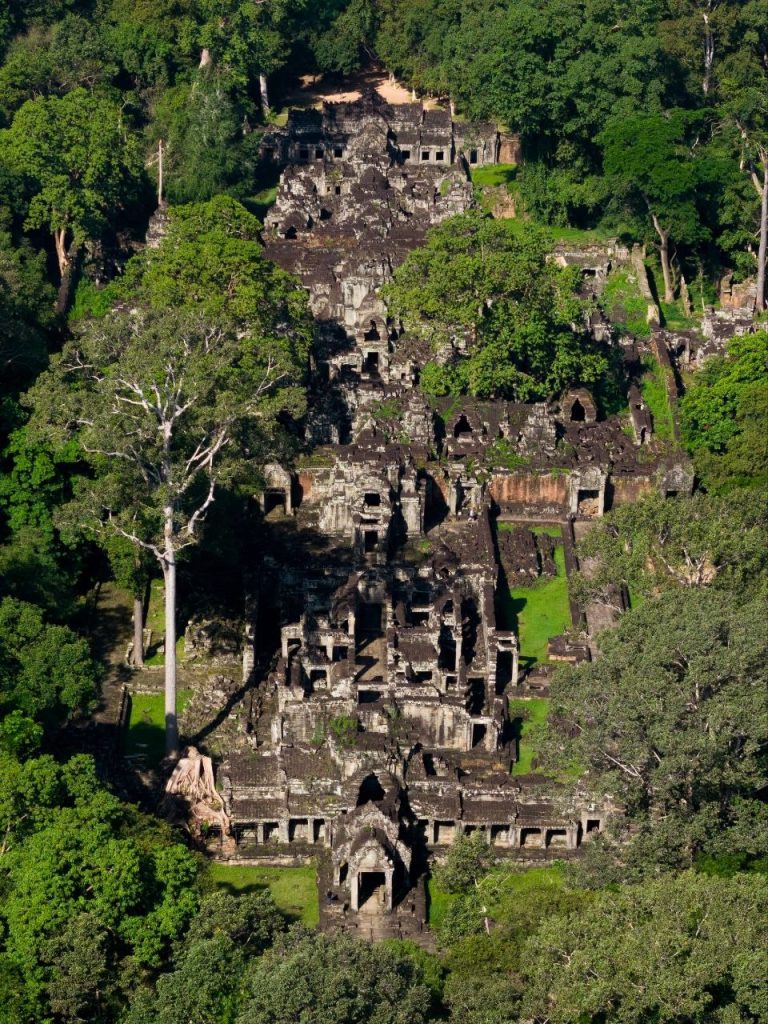
ប្រាសាទព្រះខ័ន គឺជាសំណង់ស្ថាបត្យកម្មប្រវត្តិសាស្ត្រដ៏មានតម្លៃ ស្ថិតក្នុងតំបន់រមណីយដ្ឋានអង្គរ ក្នុងសង្កាត់នគរធំ ក្រុងសៀមរាប។ ដើម្បីទៅដល់ប្រាសាទនេះ ភ្ញៀវទេសចរអាចធ្វើដំណើរចេញតាមខ្លោងទ្វារដីឆ្នាំង ដែលជាទ្វារខាងជើងនៃក្រុងអង្គរធំ។ បច្ចុប្បន្ន អាជ្ញាធរជាតិអប្សរាបាននិងកំពុងយកចិត្តទុកក្នុងការអភិរក្ស និងជួសជុលប្រាសាទនេះឱ្យស្ថិតក្នុងសភាពល្អប្រសើរក្នុងនាមជាសម្បត្តិបេតិកភណ្ឌពិភពលោក ព្រមទាំងបានកែលម្អហេដ្ឋារចនាសម្ព័ន្ធផ្លូវថ្នល់ជុំវិញ ដើម្បីបង្កលក្ខណៈងាយស្រួលដល់ការធ្វើដំណើររបស់ភ្ញៀវទេសចរជាតិ-អន្តរជាតិ ក៏ដូចជាប្រជាពលរដ្ឋក្នុងតំបន់។
យោងតាមសិលាចារឹក ប្រាសាទព្រះខ័នត្រូវបានកសាងឡើងនៅឆ្នាំ១១៩១ នាចុងសតវត្សរ៍ទី១២ ដោយព្រះបាទជ័យវម៌ទី៧ លើទីតាំងនៃចម្បាំងផ្តាច់ព្រ័ត្រ ដែលព្រះអង្គបានទទួលជ័យជំនះលើការឈ្លានពានរបស់កងទ័ពចាម្ប៍ ដើម្បីឧទ្ទិសថ្វាយដល់ព្រះបិតា។ ឈ្មោះដើមនៃប្រាសាទនេះគឺ «ជ័យស្រី» ដែលមានន័យថា «ព្រះខ័នជ័យ» ឬ«ទីក្រុងនៃជ័យជំនះដ៏ពិសិដ្ឋ»។
ខ្លឹមសារសំខាន់ៗក្នងសិលាចារឹក បានផ្ដល់ព័ត៌មានដ៏មានតម្លៃអំពីភាពរីកចម្រើនរបស់ចក្រភពខ្មែរ និងជាពិសេសរាជធានីអង្គរនាពេលនោះ ដូចជា៖
- កិច្ចការសាសនា៖ ការធ្វើពិធីបួងសួង ការតម្កល់ព្រះបដិមា និងពិធីអភិសេកព្រះ
- កិច្ចការព្រះរាជកិច្ច៖ ការលើកតម្កើងព្រះរាជា និងការឧទ្ទិសកុសលជូនបុព្វការីជន។
- ការងារសង្គម៖ ការចូលរួមថែទាំប្រាសាទ ការផ្តល់តង្វាយពីសំណាក់ព្រាហ្មណ៍ និងអ្នកភូមិនៅជុំវិញ។
- សមិទ្ធផលសំណង់ផ្សេងៗ៖ ការរៀបរាប់អំពីបារាយណ៍ «ជ័យតដាក» ដែលមានប្រាសាទនាគព័ន្ធស្ថិតនៅចំកណ្តាល។
ក្រៅពីមុខងារជាទីសក្ការៈបូជា ប្រាសាទនេះប្រហែលបានក្លាយទៅជាសាកលវិទ្យាល័យដ៏ធំមួយ ដើម្បីបណ្ដុះបណ្ដាលពុទ្ធសាសនិក និងអ្នកប្រាជ្ញរាជបណ្ឌិតជាច្រើនជំនាន់ ដែលឆ្លុះបញ្ចាំងពីភាពរុងរឿងនៃវិស័យអប់រំ និងសាសនានៅក្នុងសម័យអង្គរ។
អត្ថបទ៖ ការិយាល័យផ្សព្វផ្សាយ
រូបភាព៖ លោក រដ្ឋ ផល្លីន
Preah Khan is a remarkable historical and architectural monument located within the Angkor site in Sangkat Nokor Thom, Siem Reap. To reach the temple, visitors can exit through the northern gate (Dei Chhnang Gate) of Angkor Thom. At present, the APSARA National Authority continues to preserve and restore the temple to ensure its best condition as a World Heritage Site, while also improving the surrounding road infrastructure to facilitate travel for national and international tourists as well as local residents.
According to inscriptions, Preah Khan Temple was constructed in 1191, at the end of the 12th century, by King Jayavarman VII on the site of the decisive battle where he defeated the invading Cham army. The temple was dedicated to his father. Its original name was “Jayasri,” meaning “Holy Sword” or “City of Sacred Victory.”
The inscriptions of the temple provide significant information about the development of the Khmer Empire, particularly the Angkorian capital during that period, including:
-Religious activities such as prayers, the installation of sacred statues, and consecration ceremonies.
-Royal affairs, including praises to the king and merit-making dedicated to royal ancestors.
-Social contributions through temple maintenance and offerings made by Brahmins and local villagers.
-Other major construction achievements, notably the creation of the Jayatataka (Chey Tadak) baray with Neak Poan situated at its center.
Beyond its role as a religious sanctuary, the temple may also have served as a major university for the education and training of Buddhist monks and royal scholars, reflecting the flourishing state of education and religion during the Angkorian era.
Article by: Office of Communication
Photos by: Rath Phallin
Translation by: Net Phirun