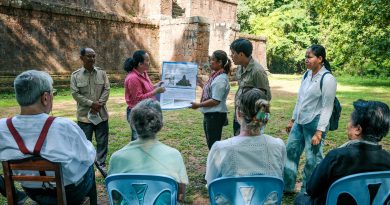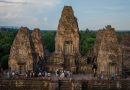
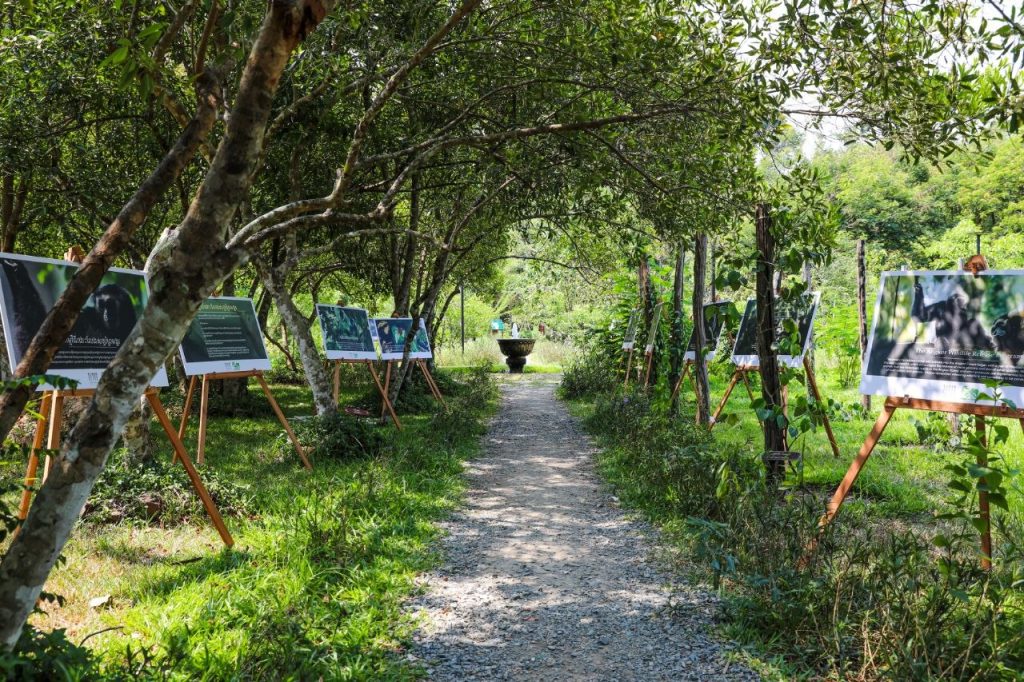
ក្នុងឱកាសអបអរសាទរបុណ្យចូលឆ្នាំថ្មីប្រពៃណីជាតិខ្មែរ ឆ្នាំ២០២៦ ខាងមុខនេះ អាជ្ញាធរជាតិអប្សរា សហការជាមួយអង្គការគាំពារសត្វព្រៃកម្ពុជា (CWC) បានរៀបចំពិព័រណ៍រូបភាពដ៏ពិសេសមួយ ដែលបង្ហាញពីជីវិតសត្វព្រៃ និងសត្វល្អិតកម្រៗ នៅក្នុងតំបន់រមណីយដ្ឋានអង្គរ។
តើមានអ្វីដែលពិសេសក្នុងការតាំងបង្ហាញនេះ?
ចាប់ពីព្រឹកថ្ងៃទី១០ ខែមេសា ឆ្នាំ២០២៦ តទៅ នៅឯសួនរុក្ខជាតិអង្គរ (ក្បែរផ្លូវចូលទៅកាន់ប្រាសាទអង្គរវត្ត) បងប្អូនភ្ញៀវទេសចរអាចចូលមកកម្សាន្ត និងស្វែងយល់ពី៖ វត្តមានសត្វព្រៃដែលកំពុងរស់នៅដូចក្នុងព្រៃធម្មជាតិ។ សត្វសំខាន់រួមមាន៖ សត្វទោចមង្កុដ ភេខ្លួនរលោង ឈ្លូស ស្វា ឆ្មារដាវ សំពោចក្រអូប និងសត្វស្លាបស្អាតៗដូចជា ក្ងោក កេងកងតូច កេងកងធំ និងសត្វភូវាំង និងសត្វល្អិតតូចៗ។
លើសពីនេះ លោកអ្នកនឹងបានឃើញអាថ៌កំបាំងនៃពិភពសត្វល្អិត ដែលមាន រូបភាពប្លែកៗនៃស្រមោច កណ្ដៀរ ចង្រិត កណ្ដូប មេអំបៅ និងពីងពាង ដែលជាអ្នកថែរក្សាតុល្យភាពបរិស្ថាននៅក្នុងតំបន់អង្គរ។
រមណីយដ្ឋានអង្គរ មិនមែនមានតែប្រាសាទទេ តែមានទាំងធម្មជាតិ និងជីវិតសត្វព្រៃ។ លោក ជូ រ៉ាឌីណា អនុប្រធាននាយកដ្ឋានគ្រប់គ្រងទឹក ព្រៃឈើ និងហេដ្ឋារចនាសម្ព័ន្ធ បានបញ្ជាក់ថា ការតាំងបង្ហាញនេះចង់បង្ហាញពិភពលោកថា អង្គរបច្ចុប្បន្នជាទីកន្លែងដែល “វប្បធម៌ និងធម្មជាតិ រស់នៅជាមួយគ្នា”។ ក្រៅពីប្រាសាទបុរាណ ភ្ញៀវទេសចរនឹងបានឃើញព្រៃឈើខៀវស្រងាត់ និងសត្វព្រៃដែលកំពុងវិលត្រឡប់មកផ្ទះចាស់របស់ពួកគេវិញ។
ជោគជ័យដ៏ធំធេងមួយដែលត្រូវបានលើកឡើងដោយ លោក Nick Marx ទីប្រឹក្សាផ្នែកជីវចម្រុះ គឺចាប់តាំងពីឆ្នាំ២០១៣ មក សត្វព្រៃដែលបានព្រលែងបានកកើតយ៉ាងខ្លាំង ជាពិសេសសត្វទោចម្កុដ ដែលបង្កើតកូនបានរហូតដល់ ១១ក្បាល ក្នុងព្រៃអង្គរ។ លោកបានសង្កត់ធ្ងន់ថា៖ “ព្រៃអង្គរគឺជាកន្លែងលេខមួយ! ការការពារសត្វព្រៃ និងព្រៃឈើ ក៏សំខាន់មិនចាញ់ការថែរក្សាប្រាសាទបុរាណឡើយ។”
ចំពោះសារៈសំខាន់នៃ “សត្វល្អិតតូចៗ” ចំពោះពិភពលោក លោក Stephane De Greef អ្នកជំនាញខាងសត្វល្អិតតូចៗ បានរំលឹកថា បើគ្មានសត្វល្អិត ជីវិតនៅលើលោកក៏មិនអាចបន្តបានដែរ។ សត្វល្អិតជាអ្នកជួយលម្អងផ្កា និងជាចំណីអាហារក្នុងខ្សែចង្វាក់អាហារធម្មជាតិ។ លោកលើកទឹកចិត្តឱ្យយើងគ្រប់គ្នាឈប់ភ័យខ្លាច ឬសម្លាប់សត្វល្អិត តែត្រូវរៀនរស់នៅជាមួយពួកវា និងការពារពួកវាដើម្បីភាពគង់វង្សនៃធម្មជាតិ។
សូមអញ្ជើញមកកម្សាន្តក្នុងឱកាសសង្ក្រាន្តឆ្នាំថ្មី និងរួមគ្នាថែរក្សាបេតិកភណ្ឌខ្មែរទាំងវប្បធម៌ និងធម្មជាតិឱ្យបានគង់វង្ស!
អត្ថបទ៖ការិយាល័យផ្សព្វផ្សាយ
រូបភាព៖លោក ហាប់ គឹមអាន និងលោក ស៊ិន ប្រណី
On the occasion of Khmer New Year 2026, the APSARA National Authority, in collaboration with the Cambodia Wildlife Care (CWC), is organizing a special photo exhibition titled “Friends of Wildlife and Insects” at the Angkor Botanical Garden.
This unique exhibition invites visitors to explore the rich biodiversity of the Angkor area and discover the harmonious relationship between nature and culture.
Starting from the morning of April 10, 2026, visitors will have the opportunity to experience a vivid display of wildlife that reflects life in natural forest environments. Featured animals include gibbons, otters, red muntjac, leopard cats, monkeys, and silver langurs. Bird enthusiasts will also be delighted by the presence of peacocks, oriental pied hornbills, and great hornbills.
In addition to wildlife, the exhibition reveals the fascinating and often overlooked world of insects through striking photography. Visitors can discover ants, termites, crickets, grasshoppers, butterflies, and spiders—small but essential creatures that play a crucial role in maintaining ecological balance in the Angkor ecosystem.
Angkor is not only renowned for its ancient temples but also for its rich natural environment. According to Mr. Chou Radina, Deputy Director of the Department of Water, Forestry and Infrastructure, the exhibition aims to demonstrate that Angkor is a place where “culture and nature coexist.” Alongside its historic monuments, the region is now home to thriving forests and returning wildlife.
A significant highlight of conservation efforts was shared by biodiversity consultant Nick Marx, who noted that since 2013, several species have been successfully reintroduced into the Angkor forest. In particular, gibbons have adapted well to their natural habitat, with 11 baby gibbons born in the wild. He emphasized that protecting forests and wildlife is just as important as preserving temples.
Meanwhile, insect expert Stephane De Greef stressed the importance of insects in sustaining life on Earth. Insects contribute to pollination and serve as a vital part of the food chain. He encouraged the public to better understand and protect insects rather than fear them, as they are indispensable to the balance of nature.
As Cambodia celebrates the New Year, visitors are warmly invited to enjoy the festive atmosphere of Songkran while exploring this meaningful exhibition. The “Friends of Wildlife and Insects” exhibition offers not only a visual experience but also an important message: preserving Cambodia’s natural heritage is inseparable from protecting its cultural legacy.
Article by: Office of Communication
Photos by: Hap Kim An and Sin Broney
Translation by: Net Phirun