យោងតាមក្រសួងធនធានទឹក និងឧតុនិយម រដូវវស្សានឹងចាប់ផ្តើមអស់ឥទ្ធិពលនៅដើមខែវិច្ឆិកា ខាងមុខនេះ គឺមានន័យថា ភ្លៀងក៏នឹងលែងមានបន្តទៀត ហើយរដូវរំហើយក៏នឹងចូលមកដល់។ អាជ្ញាធរជាតិអប្សរា បានប្រមូលទឹកស្ដុកពេញអាង ឬបារាយណ៍សំខាន់នានា ស្ទើរតែ១០០ភាគរយហើយ សម្រាប់ត្រៀមប្រើប្រាស់នៅក្នុងរដូវប្រាំងខាងមុខ។
លោក ភឿន សុឃីម ប្រធាននាយកដ្ឋានគ្រប់គ្រងទឹក ព្រៃឈើ និងហេដ្ឋារចនាសម្ព័ន្ធ បានឱ្យដឹងថា ស្ថានភាពជំនន់ទឹកភ្លៀងក្នុងតំបន់រមណីយដ្ឋានអង្គរ មានសភាពធូរស្រាលខ្លាំងហើយ បន្ទាប់ពីរាំងភ្លៀងប៉ុន្មានថ្ងៃចុងក្រោយនេះ។ ជាមួយគ្នានោះ ក្រុមការងារគ្រប់គ្រងទឹក បាននិងកំពុងបញ្ចូលតាមអាងស្ដុកទឹកធំៗ ដោយរំពឹងថានៅចុងខែតុលានេះ នឹងពេញទាំងស្រុងតាមបារាយណ៍ និងកសិន្ធុសំខាន់ៗ សរុបប្រហែល៧០លានម៉ែត្រគុប សម្រាប់ទុកប្រើប្រាស់នារដូវប្រាំងខាងមុខ។
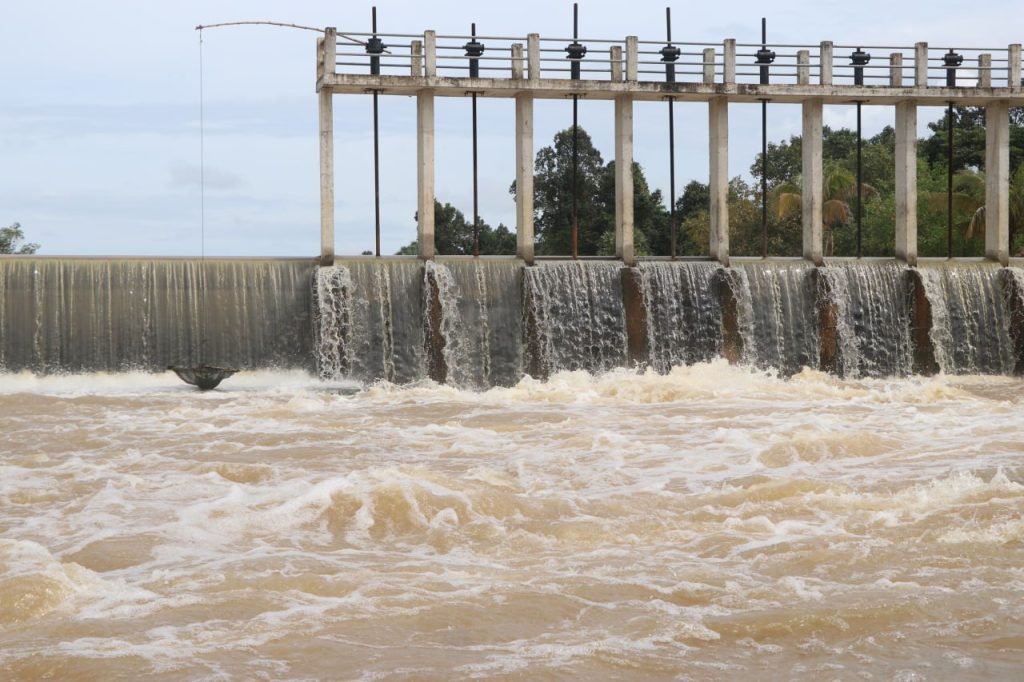
ដូចនៅតំបន់ដទៃទៀតដែរ ដោយសាររងឥទ្ធិពលព្យុះនៅចុងខែកញ្ញាកន្លងទៅ បណ្ដាលឱ្យភ្លៀងធ្លាក់ខ្លាំង ហើយទឹកធ្លាក់ពីភ្នំគូលែនយ៉ាងគំហុកបំផុតមិនធ្លាប់មានប៉ុន្មានឆ្នាំចុងក្រោយនេះ។ យ៉ាងណា អ្នកជំនាញទឹកលោក ភឿន សុឃីម អះអាងថា ក្រុមការងារគ្រប់គ្រងទឹកនៃអាជ្ញាធរជាតិអប្សរា បានខិតខំដោះស្រាយ និងគ្រប់គ្រងស្ថានភាពទឹកបានល្អប្រសើរ ដោយមិនឱ្យប៉ះពាល់ធ្ងន់ធ្ងរនៅតំបន់ប្រាសាទ គឺស្ថានភាពទឹកជន់លិចរយៈពេលខ្លីប៉ុណ្ណោះ ដោយបានបញ្ជៀសតាមទ្វារទឹកនានា ទម្លាក់ទៅផ្នែកខាងក្រោមនៃបឹងទន្លេសាប។
ជាមួយគ្នានេះ លោក ភឿង សុឃីម បានសំណូមពរដល់ប្រជាពលរដ្ឋ ពិសេសនៅតាមមាត់ប្រឡាយទឹកបុរាណ មិនត្រូវចាក់ដីលុបដោយគ្មានបច្ចេកទេសលើប្រព័ន្ធទឹកបុរាណទាំងនោះទេ ដែលវាបណ្ដាលឱ្យស្ទះមាត់ទឹក និងជន់លិចជាដើម។
ជារៀងរាល់ឆ្នាំ បម្រែបម្រួលអាកាសធាតុ ធ្វើឱ្យការគ្រប់គ្រងទឹកក៏មានការផ្លាស់ប្តូរពីមួយឆ្នាំទៅមួយឆ្នាំផងដែរ។ យ៉ាងណាមិញ ការងារគ្រប់គ្រងទឹកក៏ដូចគ្នាដែរ លោក ភឿន សុឃីម ពន្យល់ថា ក្រុមការងាររបស់លោកបានបន្តតាមដានស្ថានការណ៍ជាប់ និងរៀនបានបទពិសោធន៍ផ្សេងៗ ដើម្បីការងារគ្រប់គ្រងទឹកក្នុងតំបន់រមណីយដ្ឋានអង្គរឱ្យបានកាន់តែមានប្រសិទ្ធភាព និងឆ្លើយតបបានទាន់ពេលវេលាជាក់ស្ដែង៕
អត្ថបទ៖ នាង សំណាង
រូបភាព៖ យី សុថា, ស៊ិន ប្រណី
According to the Ministry of Water Resources and Meteorology, the rainy season will end in early November, marking the beginning of the dry season. In anticipation, the APSARA National Authority has successfully collected nearly 100 percent of the water capacity in its main reservoirs and barays to ensure sufficient supply for the coming months.
Mr. PHOEURN Sokhim, Director of the Department of Water, Forestry and Infrastructure Management, stated that the flood situation within the Angkor site has significantly eased following a reduction in rainfall in recent days. He added that the water management team has been actively filling the large reservoirs, and by the end of October, the main barays and reservoirs are expected to reach full capacity—approximately 70 million cubic meters—for use during the upcoming dry season.
Like many other areas, Angkor experienced heavy rainfall in late September due to the impact of a tropical storm. The runoff from Mount Kulen was among the strongest in recent years. However, Mr. PHOEURN Sokhim noted that the APSARA National Authority’s water management team worked diligently to mitigate the situation, ensuring that the temple zones were not seriously affected. Temporary flooding was efficiently managed by regulating the water gates and channeling excess water toward the lower areas of Tonle Sap Lake.
Mr. PHOEURN Sokhim also urged residents, particularly those living along the ancient waterways, to avoid filling or altering ancient water systems without technical guidance, as such actions can cause blockages and localized flooding.
He emphasized that although climate change continues to alter rainfall patterns each year, the core principles of water management remain the same. His team continues to monitor the situation closely, drawing on past experiences to make water management in the Angkor area more efficient, adaptive, and timely.
Article by: Neang Samnang
Photos by: Yi Sotha, Sin Broney
Translation by: Net Phirun