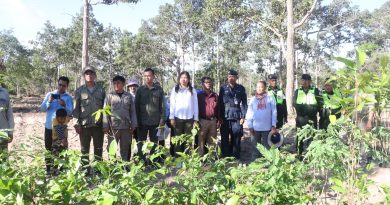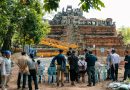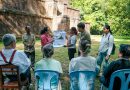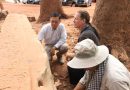
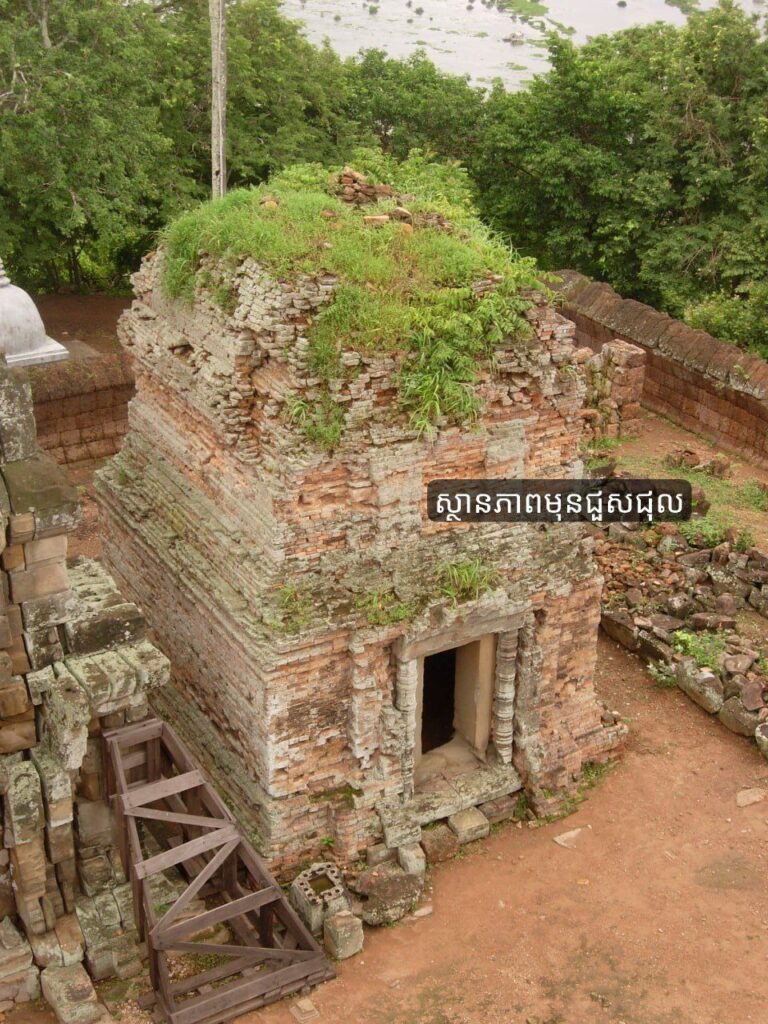
ក្រុមអ្នកជំនាញនៃអាជ្ញាធរជាតិអប្សរា ជួសជុលសង្គ្រោះប្រាសាទឥដ្ឋនៅជ្រុងអាគ្នេយ៍របស់ប្រាសាទភ្នំក្រោម ដែលតួប្រាសាទទាំងមូលរងការខូចខាតធ្ងន់ធ្ងរ។ ការងារជួសជុលនេះបានចាប់ផ្តើមពីខែឧសភា ហើយគ្រោងនឹងបញ្ចប់នៅខែវិច្ឆកា ឆ្នាំ២០២៥ ខាងមុខ។
លោក រស់ វិសុទ្ធ មន្រ្តីអភិរក្សនៃនាយកដ្ឋានអភិរក្សប្រាសាទ និងបុរាណវិទ្យា នៃអាជ្ញាធរជាតិអប្សរា បានឱ្យដឹងថា ប្រាសាទឥដ្ឋ ដែលស្ថិតនៅជ្រុងអាគ្នេយ៍របស់ប្រាសាទភ្នំក្រោម មានស្ថានភាពខូចខាតធ្ងន់ធ្ងរ ដូចជាផ្នែកខឿនជើងជញ្ជាំង សសរផ្អោបសងខាង ជញ្ជាំង និងដំបូលជាដើម។ ការងារជួសជុល បានចាប់ផ្តើមពីជើងជញ្ជាំងខាងក្រោម ដោយដាប់យកស្រទាប់ឥដ្ឋដែលពុកផុយចេញ ហើយជំនួសដោយឥដ្ឋថ្មី និងប្រើប្រាស់ឥដ្ឋចាស់ដែលរលុះធ្លាក់ខ្លះ ដែលនៅមានគុណភាពដើម្បីពង្រឹងផ្នែកដែលខូចខាតឱ្យរឹងមាំឡើងវិញ។ បិទកំបោរបាយអរនៅតាមមុខតំណនៃឥដ្ឋដែលបាត់បង់សារធាតុបាយអដើម្បីការពារជម្រាបទឹក ការពារសត្វល្អិត ស្មៅ និងរុក្ខជាតិផ្សេងៗ ដែលបង្កជាកំណកដីនាំឱ្យឥដ្ឋពុកបន្តទៀត។ ចំណែកជញ្ជាំងផ្នែកខាងត្បូងដែលមានហានិភ័យខ្ពស់ បណ្តាលមកពីពុកផុយជើងក្រោម និងរលុះឥដ្ឋ ធ្វើឱ្យជញ្ជាំងមានសភាពស្តើង និងខ្សោយខ្លាំង ត្រូវជួសជុលចាប់ពីជើងជញ្ជាំងរហូតទៅដល់ក្បាំងជញ្ជាំងផ្នែកខាងលើ ដែលមានស្នាមព្រិលជារាងបង្អួចនិងមានរន្ធខ្យល់នៅលើជញ្ជាំង រក្សាតាមលំនាំដើម តាមអនុសាសន៍ក្រុមអ្នកជំនាញការអាយស៊ីស៊ី-អង្គរ និងសំបូរព្រៃគុក។
លោក រស់ វិសុទ្ធ បញ្ជាក់ទៀតថាប្រាសាទឥដ្ឋនៅជ្រុងអាគ្នេយ៍របស់ប្រាសាទភ្នំក្រោម មានគ្រោះថ្នាក់ខ្លាំងនៅផ្នែកជើងជញ្ជាំងខាងក្រោម បណ្តាលមកពីទឹកភ្លៀងជ្រាបចូលទៅក្នុងស្រទាប់ឥដ្ឋ បន្តិចម្តងៗ ធ្វើឱ្យជញ្ជាំងឥដ្ឋចុះខ្សោយ រួមជាមួយការបៀមសំណើមនៅផ្នែកខាងលើ ដោយកត្តាស្មៅ និងរុក្ខជាតិដុះចាក់ឬសផងបានធ្វើឱ្យឥដ្ឋកាន់តែពុកផុយ និងរលុះធ្លាក់។ កាលពីឆ្នាំ២០២៤ កន្លងមក អាជ្ញាធរជាតិអប្សរា ធ្លាប់បានជួសជុលប្រាសាទឥដ្ឋនៅជ្រុងឦសាននៃប្រាសាទភ្នំក្រោម រួចរាល់ដោយជោគជ័យនិងបានរឹងមាំឡើងវិញ ឱ្យរួចផុតពីហានិភ័យនានាមកហើយ៕
អត្ថបទ: លោក យី សុថា
រូបភាព: លោក ភោគ ជា និងលោក រស់ វិសុទ្ធ
The APSARA National Authority has initiated a significant restoration project for the brick temple located in the southeast corner of Phnom Krom Temple, which has suffered extensive damage over time. The restoration efforts commenced in May and are expected to conclude by November 2025.
According to Mr. Ros Visoth, a conservation officer at the Department of Conservation of Monuments and Preventive Archaeology, the temple is in critical condition, with severe deterioration affecting its foundation, walls, side pillars, and roof. The restoration process involves carefully removing decayed bricks from the lower wall and replacing them with new bricks, while also utilizing some preserved old bricks to reinforce damaged areas. To prevent further issues such as water infiltration, insect damage, and soil erosion, mortar is being applied to the joints where it has deteriorated.
Particular attention is being given to the southern wall, which is particularly vulnerable due to decay at its base and potential brick collapse. The restoration aims to repair this wall from the foundation upwards while preserving its original appearance, including features like windows and air holes, as advised by expert teams from ICC-Angkor and Sambor Prei Kuk.
Mr. Ros Visoth emphasized that the primary threat to the temple stems from rainwater penetrating the brickwork, which weakens the structure, compounded by moisture from grass and rooting plants that contribute to decay. In a positive development, APSARA National Authority completed a successful restoration of another brick temple at the northeast corner of Phnom Krom Temple in 2024, enhancing its structural integrity and reducing the risk of future damage.
Article by Yi Sotha
Photos by Phouk Chea/Ros Visoth
Translation by Net Phirun