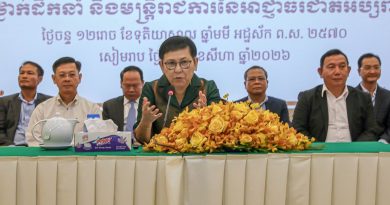
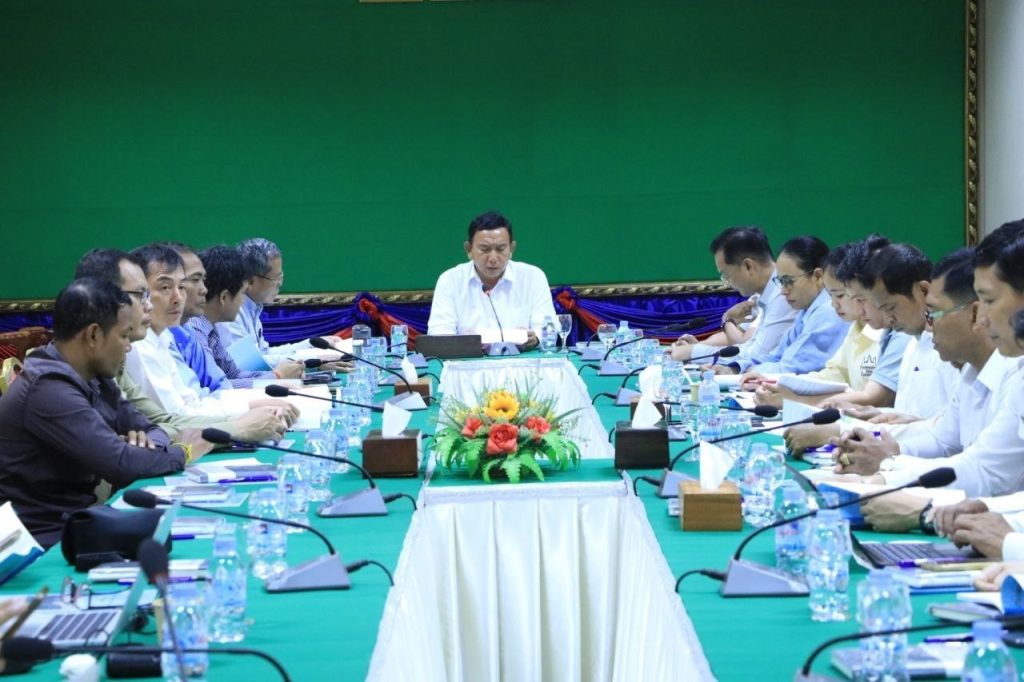
នាព្រឹកថ្ងៃទី២០ ខែកក្កដា ឆ្នាំ២០២៦ អាជ្ញាធរជាតិអប្សរា បានរៀបចំសិក្ខាសាលាផ្សព្វផ្សាយ និងបង្ហាញជាផ្លូវការនូវរបាយការណ៍ «ហានិភ័យអាកាសធាតុ និងភាពធន់នៅតំបន់អង្គរ» (Climate Risk and Resilience in Angkor) នៅសាលប្រជុំបេងមាលា ទីស្នាក់ការអាជ្ញាធរជាតិអប្សរា ដោយមានការចូលរួមដោយផ្ទាល់ និងតាមប្រព័ន្ធអនឡាញ (Zoom)។
កម្មវិធីនេះបានប្រព្រឹត្តទៅក្រោមអធិបតីភាព ឯកឧត្តម គឹម សុធិន អគ្គនាយករង តំណាង ឯកឧត្តមអគ្គនាយកអាជ្ញាធរជាតិអប្សរា ព្រមទាំងមានការអញ្ជើញចូលរួមពីថ្នាក់ដឹកនាំ មន្ត្រី-បុគ្គលិកជំនាញ អាជ្ញាធរពាក់ព័ន្ធ និងតំណាងដៃគូអន្តរជាតិ សរុបចំនួន ៣៥ អង្គរូប។
ថ្លែងក្នុងអង្គពិធី ឯកឧត្តម គឹម សុធិន បានលើកឡើងថា បច្ចុប្បន្នរមណីយដ្ឋានបុរាណវិទ្យាអង្គរ ក៏ដូចជារមណីយដ្ឋានបេតិកភណ្ឌដទៃទៀត កំពុងប្រឈមមុខនឹងបញ្ហាដែលបង្កឡើងដោយ «ការប្រែប្រួលអាកាសធាតុ»។ ឥទ្ធិពលនៃលំនាំទឹកភ្លៀងប្រែប្រួល ទឹកជំនន់ទឹកភ្លៀង គ្រោះរាំងស្ងួត សីតុណ្ហភាពកើនឡើង និងការលូតលាស់នៃសារពាង្គកាយជីវសាស្ត្រ សុទ្ធតែជាសម្ពាធបរិស្ថានដែលកំពុងជះឥទ្ធិពលដោយផ្ទាល់និងមិនផ្ទាល់ដល់តម្លៃវប្បធម៌និងធម្មជាតិនៅតំបន់អង្គរ។
ឯកឧត្តមបានគូសបញ្ជាក់ថា៖ «អង្គរ មិនត្រឹមតែជាបណ្តុំប្រាសាទបុរាណដ៏អស្ចារ្យ និងជានិមិត្តរូបនៃជាតិខ្មែរប៉ុណ្ណោះទេ ប៉ុន្តែជាទេសភាពវប្បធម៌រស់ និងជាមរតកដ៏មានតម្លៃដែលមិនអាចជំនួសបានរបស់មនុស្សជាតិទាំងមូល។ ការប្រែប្រួលអាកាសធាតុទាមទារឱ្យយើងបង្កើនការយល់ដឹងផ្នែកវិទ្យាសាស្ត្រ ពង្រឹងការត្រៀមខ្លួនរបស់ស្ថាប័ន និងបង្កើតយុទ្ធសាស្ត្របន្សាំរយៈពេលវែងប្រកបដោយចីរភាព»។
របាយការណ៍សិក្សាស្រាវជ្រាវ ដែលត្រូវបានប្រកាសដាក់ឱ្យប្រើប្រាស់នាពេលនេះ គឺជាលទ្ធផលនៃការបូកសរុបចេញពី «សិក្ខាសាលាវាយតម្លៃហានិភ័យអាកាសធាតុ» កាលពីខែវិច្ឆិកា ឆ្នាំ២០២៤ កន្លងទៅ។ នេះគឺជាការវាយតម្លៃហានិភ័យអាកាសធាតុលើកដំបូងបំផុតសម្រាប់ឧទ្យានបុរាណវិទ្យាអង្គរ ដែលដឹកនាំដោយអ្នកជំនាញក្នុងស្រុករបស់អាជ្ញាធរជាតិអប្សរា៣រូប និងមន្រ្តី មន្ទីរវប្បធម៌ និងវិចិត្រសិល្បៈខេត្តព្រះវិហារ១រូប រួមមាន៖ លោក ជូរ៉ា ឌីណា, លោក លី ផល្លី, លោក ភឹង តារា និង លោកស្រី ហ៊ិន ចាន់តារា។
ជាមួយគ្នានេះ សមិទ្ធផលនេះក៏ជាសក្ខីភាពនៃកិច្ចសហប្រតិបត្តិការអន្តរជាតិយ៉ាងជិតស្និទ្ធរវាងអាជ្ញាធរជាតិអប្សរា និងដៃគូអភិវឌ្ឍន៍សំខាន់ៗ រួមមាន៖Preserving Legacies, National Geographic Society, ICOMOS (ក្រុមប្រឹក្សាអន្តរជាតិស្តីពីប្រាសាទ និងរមណីយដ្ឋាន), Climate Heritage Network (បណ្តាញបេតិកភណ្ឌអាកាសធាតុ) និងមូលនិធិប្រាសាទពិភពលោក (World Monuments Fund)
របាយការណ៍នេះមិនមែនជាទីបញ្ចប់នៃគម្រោងនោះទេ ប៉ុន្តែជាចំណុចចាប់ផ្តើមនៃការប្តេជ្ញាចិត្តរយៈពេលវែង ក្នុងការប្រើប្រាស់ទិន្នន័យ និងភស្តុតាងវិទ្យាសាស្ត្រ ដើម្បីរៀបចំផែនការមេ គោលនយោបាយអភិរក្ស និងប្រព័ន្ធគ្រប់គ្រងហានិភ័យ។
អាជ្ញាធរជាតិអប្សរាបានបញ្ជាក់ជំហរថា ការកសាងភាពធន់នៅតំបន់អង្គរ នឹងត្រូវអនុវត្តតាម «វិធីសាស្ត្រសមាហរណកម្ម» ដែលមិនត្រឹមតែផ្តោតលើការការពារប្រាសាទថ្មបុរាណប៉ុណ្ណោះទេ ប៉ុន្តែថែមទាំងការពារប្រពៃណីវប្បធម៌ ប្រព័ន្ធអេកូឡូស៊ី និងជីវភាពរស់នៅរបស់សហគមន៍មូលដ្ឋានដែលរស់នៅក្នុងតំបន់អង្គរផងដែរ ដើម្បីធានាឱ្យបាននូវ «តម្លៃសកលដ៏លេចធ្លោ» (Outstanding Universal Value) នៃរមណីយដ្ឋានអង្គរសម្រាប់មនុស្សជំនាន់ក្រោយៗទៀត៕
អត្ថបទ៖ សេងលី សុីលីយ៉ា
រូបភាព៖ ហាប់ គឹមអាន
On the morning of 20 July 2026, the APSARA National Authority officially presented and disseminated the report “Climate Risk and Resilience in Angkor” during a workshop held at Beng Mealea Hall, APSARA National Authority Headquarters. The event was conducted in a hybrid format, with participants attending both in person and via Zoom.
The workshop was chaired by H.E. Mr. Kim Sothin, Deputy Director-General, representing the Director-General of the APSARA National Authority. It brought together 35 participants, including leaders, officials and staff of the APSARA National Authority, representatives of relevant institutions, and international partners.
In his opening remarks, H.E. Mr. Kim Sothin emphasized that the Angkor Archaeological Park, like many other heritage sites around the world, is increasingly facing the impacts of climate change. Changing rainfall patterns, floods, droughts, rising temperatures, and the growth of biological organisms are creating environmental pressures that directly and indirectly threaten the cultural and natural values of the Angkor World Heritage Site.
He stated:
“Angkor is not only a magnificent collection of ancient temples and a symbol of the Khmer nation, but also a living cultural landscape and an irreplaceable heritage of humanity as a whole. Climate change requires us to strengthen scientific understanding, enhance institutional preparedness, and develop sustainable long-term adaptation strategies.”
The report presented at the workshop is the outcome of the Climate Risk Assessment Workshop conducted in November 2024. It represents the first comprehensive climate risk assessment for the Angkor Archaeological Park and was led by four Cambodian experts: Mr. Chou Radina, Mr. Ly Phally, Mr. Pheung Dara, and Ms. Hin Chandara, three officials from the APSARA National Authority and one official from the Preah Vihear Provincial Department of Culture and Fine Arts.
The achievement also reflects the strong international collaboration between the APSARA National Authority and its development partners, including Preserving Legacies, National Geographic Society, ICOMOS (International Council on Monuments and Sites), the Climate Heritage Network, and the World Monuments Fund.
The APSARA National Authority stressed that the publication of this report marks not the conclusion of the initiative, but the beginning of a long-term commitment to applying scientific data and evidence-based research to guide master planning, conservation policies, and climate risk management.
Moving forward, resilience-building efforts in the Angkor World Heritage Site will adopt an integrated approach that safeguards not only the ancient monuments themselves, but also the site’s cultural traditions, ecosystems, and the livelihoods of local communities. This holistic strategy aims to preserve the Outstanding Universal Value of Angkor for present and future generations.
Article by Sengli Silya
Photos by Hap Kim An
Translation by Net Phirun