នៅលើទឹកដីវប្បធម៌ដ៏សក្ការៈនៃរមណីយដ្ឋានអង្គរ មានប្រាសាទបុរាណមួយអណ្ដែតត្រដែតឡើងផ្ដាច់ខ្លួនពីគេ ដែលមិនត្រឹមតែជាអច្ឆរិយវត្ថុនៃស្ថាបត្យកម្មប៉ុណ្ណោះទេ ប៉ុន្តែជាវិមានតំណាងឱ្យ «សេចក្ដីស្រឡាញ់ កតញ្ញុតាធម៌ និងការដឹងគុណ» យ៉ាងជ្រាលជ្រៅរបស់កូនចៅជំនាន់ក្រោយចំពោះដូនតា។ នោះគឺប្រាសាទមេបុណ្យខាងកើត ដែលបច្ចុប្បន្នស្ថិតនៅក្នុងភូមិស្រះស្រង់ខាងជើង សង្កាត់នគរធំ ក្រុងសៀមរាប។
រឿងរ៉ាវនៃការកសាងប្រាសាទនេះ ដើម្បីតបស្នងសងគុណមាតាបិតានៃអង្គព្រះមហាក្សត្រដ៏ចម្បងនៃប្រវត្តិសាស្រ្តអង្គរ។ បើយើងត្រឡប់ទៅកាន់សតវត្សរ៍ទី១០ ក្នុងឆ្នាំ៩៥២ នៃគ្រិស្តសករាជ ព្រះបាទរាជេន្ទ្រវរ្ម័នទី១ បានឡើងគ្រងរាជ្យសម្បត្តិ និងបានដឹកនាំចក្រភពខ្មែរឆ្ពោះទៅរកភាពរុងរឿង។ ក្នុងនាមជាក្សត្រប្រកបដោយធម៌ ព្រះអង្គមិនដែលបំភ្លេចនូវគុណូបការៈរបស់បុព្វការីជនឡើយ។ ព្រះអង្គបានត្រាស់បង្គាប់ឱ្យកសាងប្រាសាទមេបុណ្យខាងកើតឡើង ដោយបែរមុខទៅទិសខាងកើត ដើម្បីឧទ្ទិសថ្វាយដល់ព្រះឥសូរក្នុងព្រហ្មញ្ញសាសនា។
និទានកថាដ៏មានអត្ថន័យជ្រាលជ្រៅបំផុតត្រូវបានកត់ត្រានៅក្នុងសិលាចារឹក ដោយបញ្ជាក់ថា ប្រាសាទភ្នំធ្វើអំពីឥដ្ឋរាងជើងក្អែកនេះ គឺកសាងឡើងក្នុងគោលបំណងចម្បងដើម្បី «ឧទ្ទិសដល់បុព្វការីជន» ច្រើនជំនាន់។ នៅក្នុងប្រាង្គប្រាសាទទាំងនោះ ព្រះអង្គបានតម្កល់រូបចម្លាក់តំណាងឱ្យព្រះមាតានិងព្រះបិតា ក្នុងទម្រង់ជាអាទិទេពដ៏មានមហិទ្ធិឫទ្ធិ ដូចជា ព្រះឥសូរ ព្រះនាងបវ៌តី ព្រះនារាយណ៍ និងព្រះព្រហ្ម ហើយនៅក្តីកណ្តាលនៃប្រាសាទមានតម្កល់លិង្គទេវរាជ។ នេះជាភស្តុតាងប្រវត្តិសាស្ត្របង្ហាញថា សូម្បីតែមហាក្សត្រដ៏មានអំណាច ក៏តែងតែលំឱនកាយបង្ហាញសេចក្ដីដឹងគុណយ៉ាងបរិសុទ្ធចំពោះដូនតា និងអ្នកមានគុណផងដែរ។
តាមការសិក្សាស្រាវជ្រាវបានឱ្យដឹងថា កាលដើមឡើយ ប្រាសាទមេបុណ្យខាងកើតមិនមែនស្ថិតនៅលើដីគោកដូចសព្វថ្ងៃនេះទេ។ ទីនេះគឺជាកោះតូចមួយដ៏សក្ការៈ ស្ថិតនៅចំកណ្ដាលបារាយណ៍ខាងកើត ឬហៅថា «បារាយណ៍យសោធរតដាក» ដែលជាស្នាព្រះហស្ថដ៏ធំធេងរបស់ព្រះបាទយសោវរម៌ទី១ នាចុងសតវត្សរ៍ទី៩។
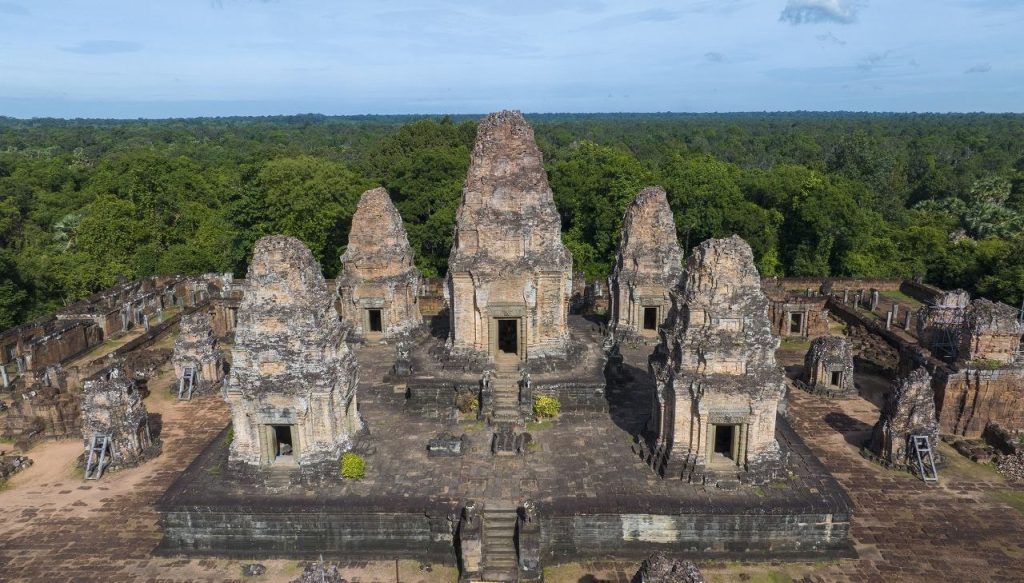
ស្រមៃទៅកាលពីជាងមួយពាន់ឆ្នាំមុន អ្នកស្រុកនិងក្សត្រាក្សត្រីត្រូវជិះទូកឆ្លងកាត់ផ្ទៃទឹកដ៏ធំល្វឹងល្វើយ ដើម្បីមកធ្វើបុណ្យ និងសម្តែងការដឹងគុណដល់វិញ្ញាណក្ខន្ធបុព្វបុរសនៅលើកោះកណ្តាលទឹកដ៏ស្ងប់ស្ងាត់នេះ។ ទោះបីជាឆ្លងកាត់ជាច្រើនសតវត្សរ៍មកដល់បច្ចុប្បន្ន ផ្ទៃទឹកបារាយណ៍ដ៏ធំធេងនេះបានរីងស្ងួតគោកអស់ទៅហើយក្តី ប៉ុន្តែព្រលឹងនៃការដឹងគុណ និងសំណង់ប្រាសាទប្រាង្គ៥ កសាងអំពីឥដ្ឋនៅលើខឿនធ្វើពីថ្មបាយក្រៀមនិងថ្មភក់ នៅតែឈរជើងយ៉ាងរឹងមាំដដែល។
នាពេលបច្ចុប្បន្ន ប្រាសាទមេបុណ្យខាងកើតបានក្លាយជាគោលដៅទេសចរណ៍ប្រវត្តិសាស្ត្រដ៏ទាក់ទាញនៅក្នុងវង់ធំនៃរមណីយដ្ឋានអង្គរ។ ភ្ញៀវទេសចរមកពីគ្រប់ទិសទីមិនត្រឹមតែចូលចិត្តមកទីនេះដើម្បីទស្សនាទិដ្ឋភាពថ្ងៃលិចដ៏ស្រស់ស្អាត និងរ៉ូមែនទិកប៉ុណ្ណោះទេ ប៉ុន្តែពួកគេក៏បានមកដើម្បីស្វែងយល់ ស្ងើចសរសើរ និងលំឱនកាយគោរពដល់វិស្វកម្ម និងទឹកដៃដ៏ឯករបស់ដូនតាខ្មែរជំនាន់មុនផងដែរ។
ទោះបីជាបានឈររឹងមាំប្រឈមមុខនឹងកម្តៅថ្ងៃនិងខ្យល់ភ្លៀងអស់រាប់ពាន់ឆ្នាំមកហើយក្តី រចនាសម្ពន្ធរបស់ប្រាសាទមេបុណ្យខាងកើតជាច្រើនកន្លែងបានរងនូវការខូចខាតដោយសារតែអាយុកាលនិងកត្តាធម្មជាតិ។ ដើម្បីបង្ហាញពីការដឹងគុណ និងបន្តថែរក្សាព្រលឹងដូនតាឱ្យបានគង់វង្ស អាជ្ញាធរជាតិអប្សរាកំពុងផ្តោតការយកចិត្តទុកដាក់ខ្ពស់លើការងារអភិរក្ស និងថែរក្សាជាប្រចាំ។ ក្រុមអ្នកជំនាញបាននិងកំពុងធ្វើការងារយ៉ាងផ្ចិតផ្ចង់ ដូចជា ជួសជុលទល់ទ្រលើចំណុចហានិភ័យនៃប្រាសាទ ការសម្អាតកំណកដីតាមថ្នេរថ្ម ការកាត់សម្អាតរុក្ខជាតិដែលអាចបំផ្លាញដល់ឥដ្ឋនិងថ្មប្រាសាទ ព្រមទាំងបង្ការការពារការជម្រាបទឹកចូលទៅក្នុងរចនាសម្ពន្ធរបស់ឥដ្ឋប្រាសាទ។
ការថែរក្សាប្រាសាទមេបុណ្យខាងកើតនៅថ្ងៃនេះ គឺការបន្តសរសេររឿងរ៉ាវនៃការដឹងគុណពីជំនាន់មួយទៅជំនាន់មួយទៀត ដើម្បីឱ្យវិមានឧទ្ទិសដល់បុព្វការីជនមួយនេះ នៅតែជារមណីយដ្ឋានប្រវត្តិសាស្ត្រដ៏ថ្លៃថ្លាសម្រាប់កូនខ្មែរ និងពិភពលោកជារៀងរហូតតទៅ៕
អត្ថបទ៖ការិយាល័យផ្សព្វផ្សាយ
រូបភាព៖លោក ជា វណ្ណៈ និងលោក ភោគ ជា
On the sacred cultural land of the Angkor site stands an ancient temple unlike any other — not only an architectural masterpiece, but also a monument symbolizing the deep love, respect, and gratitude of later generations toward their ancestors. This is the East Mebon Temple, currently located in Sras Srang Village, Nokor Thom District, Siem Reap City.
The story behind the construction of this temple reflects a profound act of filial devotion by one of the great kings in Angkorian history. In 952 AD, King Rajendravarman I ascended the throne and led the Khmer Empire into a period of prosperity. As a virtuous ruler, he never forgot the merits and sacrifices of his ancestors. He ordered the construction of East Mebon Temple, facing east and dedicated to the Hindu god Shiva.
The most meaningful narrative is recorded in the temple inscriptions, which state that this mountain temple, built of brick in a crow-foot-shaped layout, was constructed primarily to honor and dedicate merit to ancestors across generations. Inside the temple, statues representing the king’s mother and father were embodied as powerful deities such as Shiva, Parvati, Vishnu, and Brahma, while the central sanctuary enshrined the sacred Devaraja Linga. This serves as historical evidence that even mighty kings humbly expressed sincere gratitude to their ancestors and benefactors.
According to research, East Mebon Temple was originally not located on dry land as it is today. Instead, it stood as a sacred island in the middle of the East Baray, or “Yashodharatataka,” a vast hydraulic masterpiece constructed by King Yasovarman I in the late 9th century.
More than a thousand years ago, local people, along with kings and queens, would have sailed across the immense reservoir to pay homage and express gratitude to the spirits of their ancestors on this peaceful island sanctuary. Although the waters of the Baray gradually dried up over the centuries, the spirit of gratitude — along with the temple’s five brick towers built upon laterite and sandstone platforms — continues to endure.
Today, East Mebon Temple has become one of the most attractive historical destinations within the Angkor Archaeological Park. Visitors from around the world come not only to admire its beauty and romantic sunsets, but also to learn about and pay tribute to the remarkable engineering skills and artistic achievements of the Khmer ancestors.
Despite standing resilient against sun, wind, and rain for more than a millennium, many parts of the temple structure have deteriorated due to age and natural factors. To preserve this invaluable heritage and continue honoring the legacy of our ancestors, the APSARA National Authority is carrying out ongoing conservation and maintenance work. Teams of specialists are carefully restoring vulnerable sections of the temple, cleaning soil from stone joints, removing vegetation that threatens the brick and sandstone structures, and preventing water infiltration into the temple’s foundations.
The preservation of East Mebon Temple today is more than a conservation effort; it is the continuation of a timeless story of gratitude passed down from one generation to the next, ensuring that this sacred monument dedicated to ancestors remains a priceless cultural heritage for Cambodia and the world forever.
Article by the Office of Communication
Photos by Chea Vannak / Phouk Chea
Translation by Net Phirun