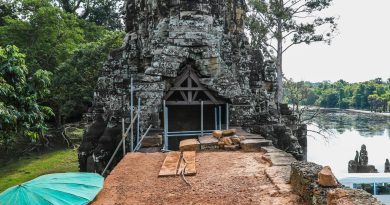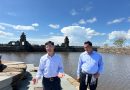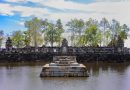
ក្រុមអ្នកជំនាញនៃអាជ្ញាធរជាតិអប្សរា បានបញ្ចប់ការងារជួសជុល អភិរក្សដំណាក់កាលទីមួយ នៅកំពង់ទឹកនៅលើទំនប់ខាងលិចនៃបារាយណ៍យសោធរតដាក បន្ទាប់ពីការពង្រឹងនៅផ្នែកខូចខាតឱ្យរឹងមាំឡើងវិញ និងបានលើកតម្លៃទីតាំងប្រវត្តិសាស្ត្រដ៏សំខាន់មួយនេះ ក្រោយចំណាយពេលវេលាចំនួន៦ខែទើបបញ្ចប់ដោយជោគជ័យ។
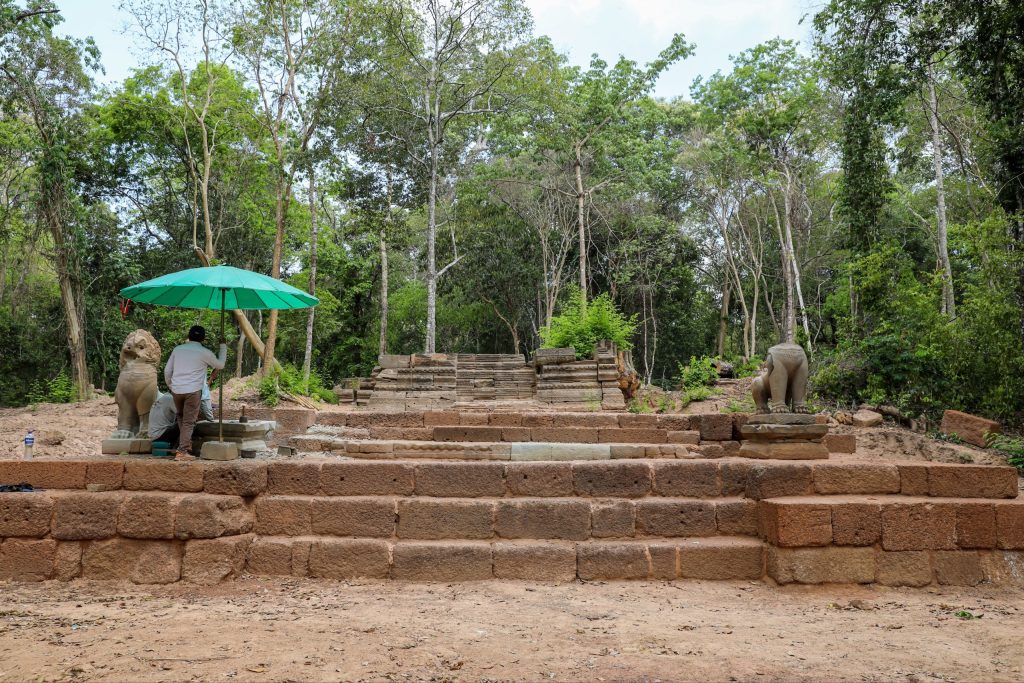
កញ្ញា ដយ ពេជ្រជឺរ៉ា បុគ្គលិកបច្ចេកទេសនាយកដ្ឋានអភិរក្សប្រាសាទនិងបុរាណវិទ្យា និងជាវិស្វករនៃអាជ្ញាធរជាតិអប្សរា បានឱ្យដឹងថា ចាប់ពីតាំងពីចុងឆ្នាំ២០២៥មក អ្នកជំនាញបានចាប់ផ្តើមជួសជុល អភិរក្សកំពង់ទឹកនៅលើទំនប់ខាងលិចនៃបារាយណ៍យសោធរតដាក រហូតមកដល់ចុងខែមេសា ឆ្នាំ២០២៦ បានបញ្ចប់ការងារជួសជុលក្នុងដំណាក់កាលទីមួយ ក្នុងប្រវែងបណ្តោយ១២ម៉ែត្រ និងទទឹងប្រវែង៩ម៉ែត្រ។ ក្នុងដំណាក់កាលទីមួយនេះ អ្នកជំនាញធ្វើការជួសជុលពង្រឹងគ្រឹះនៅតាមកន្លែងដែលបានស្រុត ពង្រឹងខឿនថ្នាក់ទីមួយដែលសាងសង់ពីថ្មបាយក្រៀម និងផ្នែកខ្លះនៃខឿនថ្នាក់ទីពីរដែលសាងសង់ពីថ្មភក់ និងបានជំនួសថ្មថ្មី នៅតាមទីតាំងដែលបាត់បង់ និងពុកផុយ ដើម្បីបំពេញរូបរាងឡើងវិញស្របទៅតាមលក្ខណៈបច្ចេកទេស។ ជាផ្នែកមួយនៃគម្រោងជួសជុលអភិរក្សនេះដែរ ក្នុងពេលធ្វើកំណាយស្រាវជ្រាវ មុនដំណើរការជួសជុល ក៏បានរកឃើញចម្លាក់សត្វតោចំនួនមួយ នៅជ្រុងខាងត្បូងនៃកំពង់ទឹក ហើយអ្នកជំនាញផ្នែកអភិរក្សថ្ម ធ្វើការជួសជុលពង្រឹងដើម្បីយកមកដាក់នៅទីតាំងដើមវិញដែរ។
បន្ទាប់ពីការជួសជុលពង្រឹងនៅតាមផ្នែក និងការជួសជុលចម្លាក់តោ រួចតម្តល់នៅទីតាំងដើមវិញ ធ្វើឱ្យរចនាសម្ពន្ធកំពង់ទឹកទាំងមូល មានសោភ័ណភាពស្រស់ស្អាត លើកតម្លៃទីតាំងបុរាណដ្ឋានដែលជាទីតាំងសំខាន់មួយ ក្នុងសម័យអង្គរ សម្រាប់ព្រះរាជាទ្រង់យាងទៅកាន់ប្រាសាទមេបុណ្យខាងកើត។ ទីតាំងនេះ ក៏ជាទីតាំងដែលទាក់ទាញភ្ញៀវទេសចរឱ្យទៅទស្សនាបានផងដែរ ព្រោះថា កំពង់ទឹកនៅលើទំនប់ខាងលិចនៃបារាយណ៍យសោធរតដាកនេះ មានទីតាំងនៅចំខ្សែអ័ក្សតែមួយនៃព្រះបរមរាជវាំង ប្រាសាទភិមានអាកាស ឆ្ពោះមកខ្លោងទ្វារជ័យ៕
អត្ថបទ៖ការិយាល័យផ្សព្វផ្សាយ
រូបភាព៖លោក ស៊ិន ប្រណី
A restoration team from the APSARA National Authority has completed the first phase of restoration work on the Ancient Dike located on the western embankment of the East Baray. The project focused on strengthening damaged sections and enhancing the value of this important historical site after six months of work.
Ms. Doy Pichjira, an engineer from the Department of Conservation of Monuments and Preventive Archaeology, stated that restoration experts began work on the Ancient Dike at the end of 2025. By the end of April 2026, they had completed the first phase of restoration, covering a section measuring 12 meters in length and 9 meters in width.
During this phase, experts repaired and reinforced the foundation in collapsed areas, strengthened the first-level aqueduct constructed of laterite and parts of the second-level aqueduct made of sandstone, and replaced missing and deteriorated stones with new ones in accordance with technical conservation standards to restore the structure’s original appearance.
As part of the conservation project, excavation and research conducted prior to restoration led to the discovery of a lion sculpture on the southern side of the Ancient Dike. Stone conservation specialists subsequently repaired and reinforced the sculpture before reinstalling it in its original location.
Following the restoration and repositioning of the lion sculpture, the entire structure now presents a more complete and attractive appearance, further enhancing the significance of the ancient site. During the Angkor period, this location served as an important route for the king’s visits to East Mebon Temple. Today, it also attracts many visitors, as the Ancient Dike on the western embankment of the East Baray lies on the same axis as the Royal Palace, Phimeanakas Temple, and the Victory Gate.
Article by the Office of Communication
Photos by Sin Broney
Translation by Net Phirun