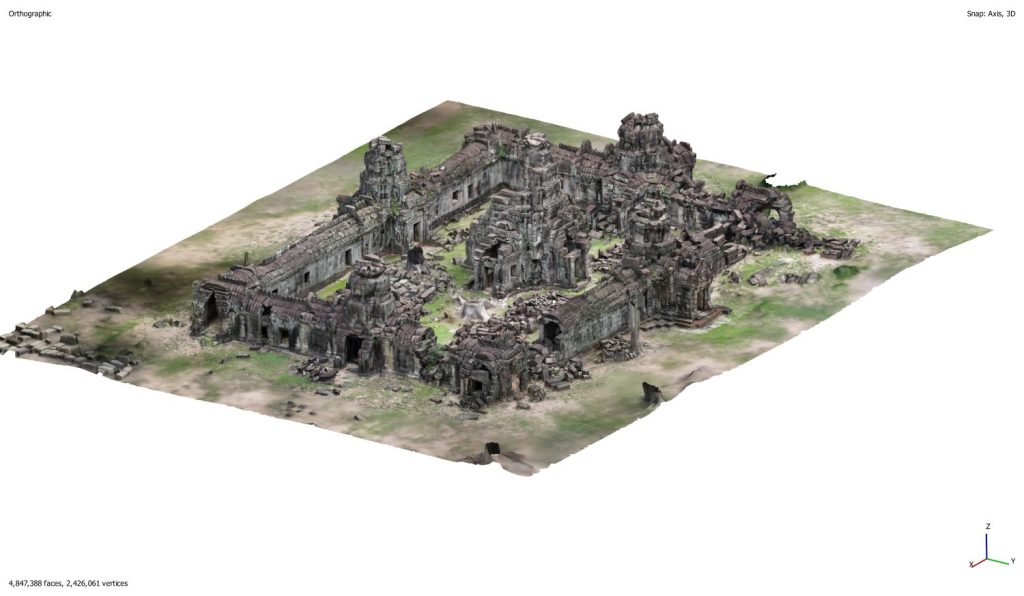
ការអភិរក្ស គឺជាសកម្មភាពនៃការថែរក្សា ការពារ គ្រប់គ្រង និងស្តារឡើងវិញនូវមរតកបុរាណដើម្បីរក្សាទុកកុំឱ្យបាត់បង់ ការបំផ្លាញ ឬរឹចរិលដោយប្រការផ្សេងៗ។ គោលដៅនៃការអភិរក្ស គឺធានាការប្រើប្រាស់កេរមរតកដូនតាប្រកបដោយនិរន្តរភាព ដើម្បីបំពេញតម្រូវការមនុស្សបច្ចុប្បន្ន និងអ្នកជំនាន់ក្រោយ។ ឧទាហរណ៍ ការអភិរក្សសំណង់ប្រវត្តិសាស្ត្រ គឺថែរក្សាមរតករូបី ដូចជាប្រាសាទ បារាយណ៍ ស្ពានថ្នល់បុរាណ និងអរូបី ដោយផ្តោតលើចំណេះដឹង ទំនៀមទម្លាប់ប្រពៃណី និងទំនាក់ទំនងជាដើម។ ដូច្នេះការចងក្រងឯកសារទាំងមុន និងក្រោយជួសជុលសំណង់ប្រាសាទបុរាណ គឺជាកត្តាដ៏សំខាន់នៅក្នុងផ្នែកនេះ។
លោក ជា សារិទ្ធិ បុរាណវិទូ និងជាអ្នកគ្រប់គ្រងកិច្ចការអភិរក្សនៅប្រាសាទបន្ទាយប្រី លើកឡើងថា ការអភិរក្ស គឺថែរក្សា និងប្រើប្រាស់មរតកបុរាណដោយភាពឈ្លាសវៃ និងប្រុងប្រយ័ត្នខ្ពស់។ លោក សារិទ្ធិ បញ្ជាក់ថា ក្នុងនោះកិច្ចការចងក្រង និងរក្សាទុកឯកសារ គឺមានសារសំខាន់ខ្លាំងចំពោះវិស័យអភិរក្សធនធានវប្បធម៌ ដូចជា÷
- កំណត់អត្តសញ្ញាណសំណង់បុរាណ
- រៀបចំផែនការជួសជុល និងថែទាំ
- អ្នកអភិរក្សត្រូវមានវិជ្ជាជីវៈ ក្រមសីលធម៌ និងការទទួលខុសត្រូវខ្ពស់ដើម្បីធានាថា ការជួសជុលសំណង់បុរាណអាចរក្សាបាននូវភាពដើម។
- តម្លាភាព និងការផ្ទេរចំចំណេះដឹង របាយការណ៍ រូបថតមុន និងក្រោយជួសជុល ព្រមទាំងបញ្ជីសម្ភារ គឺជាប្រភពព័ត៌មានសំខាន់ចំពោះអ្នកសិក្សាស្រាវ និងអភិរក្សជំនាន់ក្រោយ។
- ការពារ និងផ្សព្វផ្សាយ ករណីមានគ្រោះមហន្តរាយ បាត់បង់ដោយធម្មជាតិ ឬចៃដន្យ ឯកសារដែលបានចងក្រង គឺជាកំណត់ត្រាចុងក្រោយដែលអាចប្រើប្រាស់សម្រាប់ការជួសជុលឡើងវិញ និងភស្តុតាងដ៏មានតម្លៃសម្រាប់មនុស្សជំនាន់ក្រោយ។
- ឧបករណ៍អប់រំ ដែលបកស្រាយពីសារសំខាន់នៃបេតិកភណ្ឌទៅកាន់សាធារណជនទូទៅ និងជួយបង្កើនស្មារតីស្រឡាញ់ និងចូលរួមថែរក្សាពីសហគមន៍។
សរុបមក ការសិក្សាស្រាវជ្រាវ ចងក្រង និងរក្សាទុកឯកសារ គឺជារឿងមិនអាចខ្វះបាន ចំពោះវិស័យអភិរក្សព្រោះអាចធានាបាននូវភាពត្រឹមត្រូវ និរន្តរភាព ក្រមសីលធម៌ និងវិជ្ជាជីវៈនៃការអភិរក្ស និងជួសជុលសំណង់បេតិកភណ្ឌ ហើយធានាថា សម្បត្តិបេតិកភណ្ឌត្រូវបានថែរក្សានូវតម្លៃដើមរបស់វាយ៉ាងពិតប្រាកដ៕
អត្ថបទ: យី សុថា
រូបភាព: ជា សារិទ្ធិ/ ស៊ិន ប្រណី
Conservation is the practice of preserving, protecting, managing, and restoring ancient heritage to prevent loss, damage, or deterioration caused by natural or human factors. Its primary goal is to ensure the sustainable use of ancestral heritage for the benefit of present and future generations. This includes safeguarding both tangible heritage—such as barays, temples, ancient bridges, and historic roads—and intangible heritage, including traditional knowledge, practices, and cultural relationships. For this reason, comprehensive documentation before, during, and after restoration is essential in the conservation of ancient temples.
Mr. Chea Sarith, archaeologist and head of the conservation team at Banteay Prei Temple, emphasized that conservation requires wisdom, responsibility, and careful decision-making. He highlighted the significance of documentation in cultural resource conservation, noting that it supports:
- Identification of ancient structures, providing accurate references for future study.
- Planning for restoration and maintenance, helping experts determine appropriate conservation methods.
- Professionalism, ethics, and accountability, ensuring that restoration work respects and preserves original structures.
- Transparency and knowledge transfer, as reports, photographs, and material lists serve as valuable resources for future researchers and conservators.
- Protection and dissemination, since in the event of natural disasters or accidental damage, compiled documents serve as essential evidence and guidance for future restoration efforts.
- Education and public awareness, offering tools that help communities understand the value of heritage and encouraging broader participation in its protection.
In summary, research, documentation, and archiving are indispensable components of heritage conservation. They ensure accuracy, sustainability, ethical practice, and professionalism in the restoration of heritage structures, thereby safeguarding their true historical value for future generations.
Article by: Yi Sotha
Photos by: Chea Sarith / Sin Broney
Translation by: Net Phirun