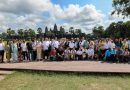
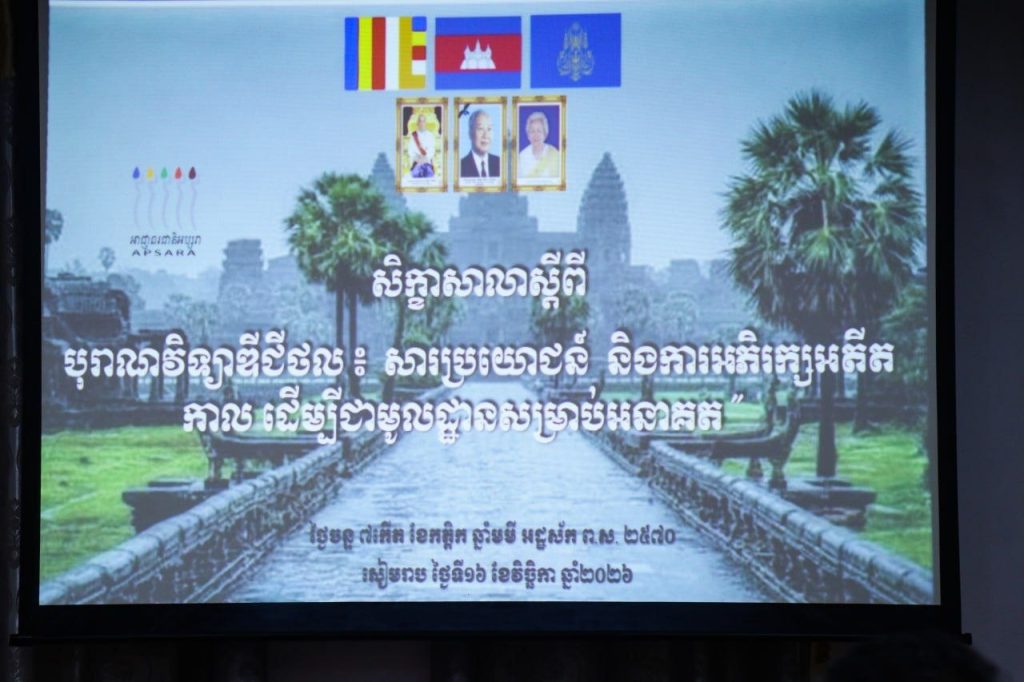
ព្រឹកថ្ងៃទី១៦ ខែវិច្ឆិកា ឆ្នាំ២០២៦ នៅមជ្ឈមណ្ឌលបណ្តុះបណ្តាលអង្គរនៃអាជ្ញាធរជាតិអប្សរា បានរៀបចំសិក្ខាសាលាស្តីពី « បុរាណវិទ្យាឌីជីថល៖ សារប្រយោជន៍ និងការអភិរក្សអតីតកាល ដើម្បីជាមូលដ្ឋានសម្រាប់អនាគត » ដែលមានការសម្របសម្រួលដោយលោក អ៊ឹម សុខរិទ្ធី ប្រធាននាយកដ្ឋានស្រាវជ្រាវ បណ្តុះបណ្តាល និងផ្សព្វផ្សាយ មានការអញ្ជើញចូលរួមជាវាគ្មិនដោយលោក អន សុភាព អនុប្រធានការិយាល័យនៃនាយកដ្ឋានអភិរក្សប្រាសាទ និងបុរាណវិទ្យា លោកបណ្ឌិត រស់ សយម្ភូ អ្នកស្រាវជ្រាវនៃសាកលវិទ្យាល័យខេមតិចនៅរាជធានីភ្នំពេញ ព្រមទាំងសិក្ខាកាមចំនួន ៥០នាក់ ជាមន្ត្រី បុគ្គលិកអាជ្ញាធរជាតិអប្សរា មន្ទីរវប្បធម៌ និងវិចិត្រសិល្បៈខេត្តសៀមរាប រួមទាំងអ្នកសារព័ត៌មានមកពីស្ថាប័នខាងក្រៅ។
លោក អ៊ឹម សុខរិទ្ធី បានបញ្ជាក់ថា សិក្ខាសាលានេះ រៀបចំឡើងក្នុងគោលបំណងចែករំលែកចំណេះដឹង និងព័ត៌មានទាក់ទងនឹងការប្រើប្រាស់បច្ចេកវិទ្យាឌីជីថលសម្រាប់កិច្ចការអភិរក្សបេតិកភណ្ឌ និងការស្រាវជ្រាវបុរាណវិទ្យា ប្រវត្តិសាស្ត្រ បង្កើនប្រសិទ្ធភាពនៃការស្រាវជ្រាវជាមួយបច្ចេកវិទ្យាទំនើបដល់អ្នកស្រាវជ្រាវ មន្ត្រី បុគ្គលិក ដើម្បីងាយស្រួលរៀបចំគ្រប់គ្រងទិន្នន័យបេតិកភណ្ឌដោយសុវត្ថិភាពលើកិច្ចគាំពារ និងអភិវឌ្ឍន៍រមណីយដ្ឋានអង្គរប្រកបដោយចីរភាព និងប្រសិទ្ធភាព ដើម្បីចូលរួមអភិរក្សអតីតកាល បង្កើតមូលដ្ឋានសម្រាប់អនាគត។ លោកបានបន្តថា ទោះបីជាការប្រើប្រាស់បច្ចេកវិទ្យាឌីជីថលមានភាពងាយស្រួលសម្រាប់កិច្ចការអភិរក្សបេតិកភណ្ឌ និងការស្រាវជ្រាវបុរាណវិទ្យា ប្រវត្តិសាស្ត្រយ៉ាងណាក៏ដោយ ក៏យើងនៅតែចាំបាច់ត្រូវការសិក្សា ស្រាវជ្រាវអំពីនរវិទ្យាជាមួយសហគមន៍មនុស្សផ្ទាល់ ដើម្បីទទួលបានព័ត៌មានពិត និងជាក់លាក់ ក្នុងការគ្រប់គ្រងទិន្នន័យបេតិកភណ្ឌដោយសុវត្ថិភាព។
លោក អន សុភាព អនុប្រធានការិយាល័យនៃនាយកដ្ឋានអភិរក្សប្រាសាទ និងបុរាណវិទ្យា បានបង្ហាញពី លទ្ធផលនានានៃកិច្ចការងារអភិរក្ស ស្រាវជ្រាវផ្នែកបុរាណវិទ្យា តាមរយៈមនុស្ស និងបច្ចេកវិទ្យាឌីជីថល ដែលអាជ្ញាធរជាតិអប្សរាបានអនុវត្តកន្លងមក។ លោកបានកត់សម្គាល់ឃើញថា ការដែលមានជំនួយពីបច្ចេកវិទ្យាឌីជីថលធ្វើឱ្យយើងចំណេញពេល តែក៏មិនអាចសន្និដ្ឋានជាក់លាក់បានដូចនឹងការស្រាវជ្រាវរបស់មនុស្សដែរ យើងនៅតែបន្តសិក្សាស្រាវជ្រាវតាមរយៈក្រុមបុរាណវិទូ និងអ្នកជំនាញនានា ដើម្បីសន្និដ្ឋានថាព័ត៌មាននោះមានភាពពិតប្រាកដ។ លោកក៏បានលើកអំពីការស្រាវជ្រាវជាក់ស្តែងមួយនៃការសិក្សាស្រាវជ្រាវនៅប្រាសាទទរ តាមរយៈបច្ចេកវិទ្យាឌីជីថលLIDAR ឃើញថាមានទួលតូចៗចំនួន 100 នៅក្បែរប្រាសាទនោះ ហើយដល់ពេលនេះក៏មិនទាន់អាចសន្និដ្ឋានបានថា តើទួលទាំងនោះ មានន័យយ៉ាងដូចម្ដេចនៅឡើយ ពោលគឺត្រូវតែចាំបាច់បន្តស្រាវជ្រាវបន្ថែមជាមួយក្រុមជំនាញ និងពីសហគមន៍មនុស្សដែលជាម្ចាស់ស្រុក។
លោកបណ្ឌិត រស់ សយម្ភូ អ្នកស្រាវជ្រាវនៃសាកលវិទ្យាល័យខេមតិចនៅរាជធានីភ្នំពេញ ក៏បានបង្ហាញ អំពីបច្ចេកវិទ្យាទំនើបៗនានា និងបច្ចេកវិទ្យាបញ្ញាសិប្បនិមិត្តAI ពិតជាមានប្រយោជន៍ក្នុងការជួយឱ្យការងារសិក្សាស្រាវជ្រាវមិនប្រើប្រាស់ពេលវេលាយូរ និងមានភាពងាយស្រួលក៏ដោយក្តី ប៉ុន្តែក៏មិនមែនមានន័យថាអាចជំនួសការសិក្សាស្រាវជ្រាវ និងការសន្និដ្ឋានរបស់មនុស្សទាំងស្រុងបានដែរ។ ក្នុងកិច្ចការងារអភិរក្ស ការស្រាវជ្រាវ និងការកំណាយនានាផ្នែកបុរាណវិទ្យា ក៏ចាំបាច់ត្រូវតែសហការផ្ទៀងផ្ទាត់ទិន្នន័យជាមួយនឹងអ្នកជំនាញ ឬសហគមន៍មនុស្សផ្ទាល់ ដើម្បីឱ្យទិន្នន័យ ទាំងនោះច្បាស់លាស់ពិតប្រាកដ៕
On the morning of November 16, 2026, the APSARA National Authority organized a workshop on “Digital Archaeology: Benefits and Preserving the Past as a Foundation for the Future” at the Angkor Training Center.
The workshop was moderated by Mr. Im Sokrithy, Director of the Department of Research, Training and Communication. The speakers included Mr. An Sopheap, Deputy Head of Office of the Department of Conservation of Monuments and Preventive Archaeology, and Dr. Ros Sayumphu, a researcher from CamTech University in Phnom Penh. The event was attended by 50 participants, including APSARA National Authority officials and staff, representatives of the Siem Reap Provincial Department of Culture and Fine Arts, and journalists from external media organizations.
Mr. Im Sokrithy explained that the workshop aimed to share knowledge and information on the application of digital technology in heritage conservation, archaeological research, and historical studies. It also sought to enhance researchers’ and officials’ capacity to use modern technologies to improve research efficiency and facilitate the secure management of heritage data. These efforts contribute to the effective and sustainable protection and development of the Angkor site, preserving the past while laying a foundation for the future.
He further emphasized that although digital technology offers significant convenience in heritage conservation and archaeological and historical research, direct anthropological studies involving local communities remain essential to obtaining accurate and reliable information and ensuring the secure management of heritage data.
Mr. An Sopheap presented the results of conservation and archaeological research conducted by the APSARA National Authority through the combined use of human expertise and digital technology. He noted that digital tools help save time and improve efficiency; however, their findings cannot always provide definitive conclusions comparable to those reached through human research and analysis. Therefore, continued investigations by archaeologists and specialists are necessary to verify the accuracy of the information.
As an example, he referred to archaeological research at Tor Temple, where LiDAR technology revealed approximately 100 small mounds around the temple. However, their significance has yet to be determined. Further investigations involving specialists and local communities, who possess valuable knowledge of the area, are therefore necessary to understand these findings.
Dr. Ros Sayumphu also introduced various advanced technologies, including Artificial Intelligence (AI), highlighting their benefits in making research faster and more convenient. Nevertheless, he stressed that these technologies cannot completely replace human research, expertise, and judgment.
He added that in heritage conservation, archaeological research, and excavation work, it remains essential to collaborate with specialists and local communities to cross-check and verify data, ensuring that research findings are accurate and reliable.
The workshop highlighted the important role of digital technology in advancing archaeological research and heritage conservation, while reaffirming that human expertise and community knowledge remain indispensable in understanding, protecting, and preserving cultural heritage for future generations.
Article: Sengly Siliya
Photos: Phouk Chea
Translation: Net Phirun