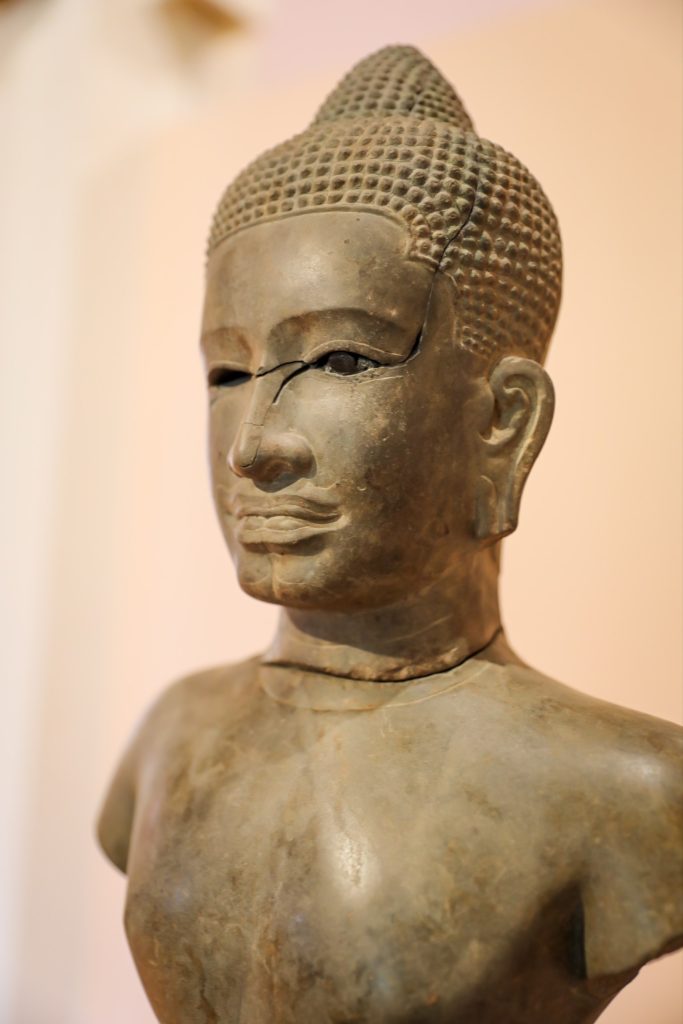
ព្រះពុទ្ធបដិមាចំនួន ២៧៤បំណែក ដែលឆ្លាក់ពីថ្មភក់ក្នុងសម័យអង្គរ ចំនួន៣ រចនាបថ គឺរចនាបថបាភួន រចនាបថអង្គរវត្ត និងរចនាបថបាយ័ន មានដាក់តាំងបង្ហាញក្នុងសារមន្ទីរព្រះនរោត្តម សីហនុ-អង្គរ ដែលសាធារណជនអាចចូលទស្សនា និងសិក្សាស្រាវជ្រាវស្វែងយល់។
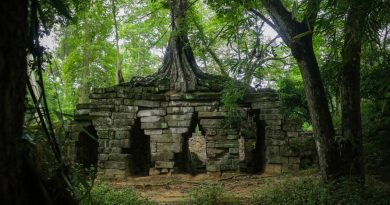
ព្រះពុទ្ធបដិមាទាំងនេះ មានអាយុកាលប្រហែលនៅចុងសតវត្សរ៍ទី១៣។ ក្រុមអ្នកស្រាវជ្រាវបុរាណវិទ្យាបានរកឃើញបំណែកសិល្បៈខ្មែរដ៏សម្បូរបែបទាំងនេះ ក្នុងពេលធ្វើកំណាយនៅប្រាសាទបន្ទាយក្តី ហើយជាបន្តបន្ទាប់ក្រុមអ្នកជំនាញបានសម្អាត និងជួសជុលវត្ថុបុរាណទាំងនោះឱ្យស្អាតឡើងវិញ និងដាក់បង្ហាញជូនសាធារណជនបានទស្សនាជាអចិន្ត្រៃយ៍។
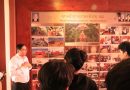
លោក វឿន វិបុលសុខុម បុគ្គលិកបច្ចេកទេសនៅសារមន្ទីរព្រះនរោត្តមសីហនុ-អង្គរ បានឱ្យដឹងថា សារមន្ទីរព្រះនរោត្តមសីហនុ-អង្គរ បានដាក់តាំងបង្ហាញរូបព្រះពុទ្ធបដិមា ដែលនៅមានទ្រង់ទ្រាយពេញលេញមួយចំនួន ក្នុងចំណោមព្រះពុទ្ធបដិមាទាំង ២៧៤បំណែក។ លោកពន្យល់ថា ក្នុងសម័យអង្គរ មានការបែងចែករចនាបថចម្លាក់សិល្បៈទាំងអស់ចំនួន១០ រចនាបថ ប៉ុន្តែដោយឡែកចំពោះការរកឃើញតាមរយៈកំណាយនៅប្រាសាទបន្ទាយក្តី គឺចម្លាក់ព្រះពុទ្ធសាសនាមហាយាន សម័យអង្គរ គឺឃើញមានការឆ្លាក់ក្នុងទម្រង់តែ៣ រចនាបថប៉ុណ្ណោះ។ រចនាបថទាំងនោះមានដូចជា រចនាបថបាភួន រចនាបថអង្គរវត្ត និងរចនាបថបាយ័ន។
រូបព្រះពុទ្ធបដិមាទាំង៣ រចនាបថនេះ មានលក្ខណៈសម្គាល់ផ្សេងៗពីគ្នា ដោយព្រះពុទ្ធបដិមា ក្នុងរចនាបថបាភួន មានលក្ខណៈសម្គាល់ជាទូទៅ គឺព្រះពុទ្ធគង់សមាធិប្រក់នាគ បើកព្រះនេត្រ ហើយបដិមាខ្លះមានទាំងដាំត្យូង បដិមាខ្លះពុំមានដាំត្បូងទេ។ ចំណែកនៅលើភ្នួងសក់ គឺមានរចនាដូចគ្រាប់ពោត ឬគ្រាប់ឈូក មានពុកមាត់ ពុកចង្កា ហើយចំពោះការគ្រងស្បង់វិញ គឺគ្របជិតលើស្មាទាំងសងខាង ហើយដើមទ្រូងបើក និងចង្កេះរៀវតូច។ រីឯព្រះពុទ្ធបដិមារចនាបថអង្គរវត្ត មានលក្ខណៈសម្គាល់ដោយរូបព្រះពុទ្ធគង់សមាធិបើកព្រះនេត្រ មានពាក់មកុដលើសិរសា និងទ្រង់គ្រឿងអលង្ការនៅលើព្រះកាយ ពាក់ក្រវិល សុរងក មានពាក់កងនៅដើមដៃ កដៃ កងជើង ដូចគ្នានឹងចម្លាក់ដែលមាននៅក្នុងប្រាសាទអង្គរវត្តដែរ។
ចំពោះព្រះពុទ្ធបដិមាក្នុងរចនាបថបាយ័នវិញ គឺមានលក្ខណៈសម្គាល់ ដោយព្រះពុទ្ធគង់ក្នុងកាយវិការសមាធិបិទព្រះនេត្រ។ សិល្បៈរចនាបថនេះ មានការឆ្លាក់ព្រះពុទ្ធមានភ្នួងសក់រាងថ្នាក់ៗ ឯការគ្រងស្បង់ចីវរវិញ មានតែមួយចំហៀងប៉ុណ្ណោះ គឺគ្របនៅលើស្មាខាងឆ្វេង។
ទម្រង់សិល្បៈព្រះពុទ្ធអង្គទាំង៣ រចនាបថ ក្នុងសម័យអង្គរនេះ សរបញ្ជាក់ឱ្យឃើញថា សិល្បៈខ្មែរពីសម័យកាលមួយទៅសម័យកាលមួយមានការវិវត្ត ហើយសម្បូរបែប និងមានភាពច្នៃប្រឌិតខ្ពស់ខុសៗគ្នា។
ចំពោះសិស្សនិស្សិត អ្នកស្រាវជ្រាវទាំងឡាយ ដែលចង់សិក្សានិងស្រាវជ្រាវស្វែងយល់ពីភស្ដុតាងដ៏សំខាន់នៃសិល្បៈខ្មែរដ៏សម្បូរបែបទាំងនេះ អាចអញ្ជើញទៅទស្សនាសារមន្ទីរព្រះនរោត្តមសីហនុ-អង្គរ ដែលជាសារមន្ទីរបុរាណវិទ្យាទី១ ប្រចាំប្រទេស។ នៅក្នុងសារមន្ទីរព្រះនរោត្តមសីហនុ-អង្គរ ក្រៅតែពីតាំងបង្ហាញនូវរូបព្រះពុទ្ធបដិមាសម័យអង្គរទាំង៣ រចនាបថនេះ ក៏នៅមានតាំងបង្ហាញចម្លាក់សិល្បៈបុរាណជាច្រើនផ្សេងទៀតដូចជា ពុទ្ធបដិមាភៃសជ្យគុរុ ឬព្រះពុទ្ធជាគ្រូថ្នាំ ថ្មគោលពុទ្ធសាសនាដែលមានរូបព្រះពុទ្ធ១០០៨អង្គជាដើម៕
អត្ថបទ៖ ឆាយ ផាន់នី
រូបភាព៖ ស៊ិន ប្រណី
A remarkable collection of 274 sandstone Buddha statue fragments dating to approximately the late 13th century is on display at the Preah Norodom Sihanouk-Angkor Museum. Discovered during archaeological excavations at Banteay Kdei Temple, the sculptures represent three distinctive artistic styles of the Angkor period: Baphuon, Angkor Wat, and Bayon.
Following their discovery, museum specialists carefully cleaned and restored the fragments. Selected intact Buddha images are now permanently exhibited, allowing visitors, students, and researchers to appreciate the diversity and development of Khmer Buddhist art.
According to Mr. Voeun Vibolsokhum, a technical staff member at the museum, the sculptures discovered at Banteay Kdei represent Mahayana Buddhist art in three of the ten artistic styles associated with the Angkor period.
Three Styles, Three Distinctive Expressions
Baphuon Style
Baphuon-style Buddha images generally depict the Buddha seated in meditation beneath the protection of a naga, with open eyes. The hair is shaped like a corn kernel or lotus seed, while some images feature a mustache and beard. The monastic robe covers both shoulders, leaving the chest exposed, and the figure has a slender waist. Some statues were also decorated with gemstone inlays.
Angkor Wat Style
Angkor Wat-style Buddha images depict the Buddha seated in meditation with open eyes, wearing a crown and elaborate jewelry, including earrings, necklaces, and bracelets on the arms, wrists, and ankles. These characteristics closely correspond to Buddhist sculptures and decorative motifs found at Angkor Wat.
Bayon Style
Bayon-style Buddha images are typically shown seated in meditation with closed eyes. The Buddha has a distinctive tiered hair bun, while the monastic robe is worn over one shoulder, covering the left shoulder.
Together, these three artistic styles reflect the evolution, diversity, and remarkable creativity of Khmer Buddhist art during the Angkor period.
The Preah Norodom Sihanouk-Angkor Museum, Cambodia’s first archaeological museum, welcomes students, researchers, and visitors interested in exploring the country’s rich cultural heritage. Beyond these three styles of Angkor-era Buddha images, the museum also houses numerous important ancient artworks, including Bhaisajyaguru, the Buddha of Healing, and a Buddhist boundary stone carved with 1,008 Buddha figures.
Article by Chhay Phanny
Photos by Sin Broney
Translation by Net Phirun