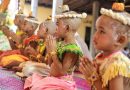
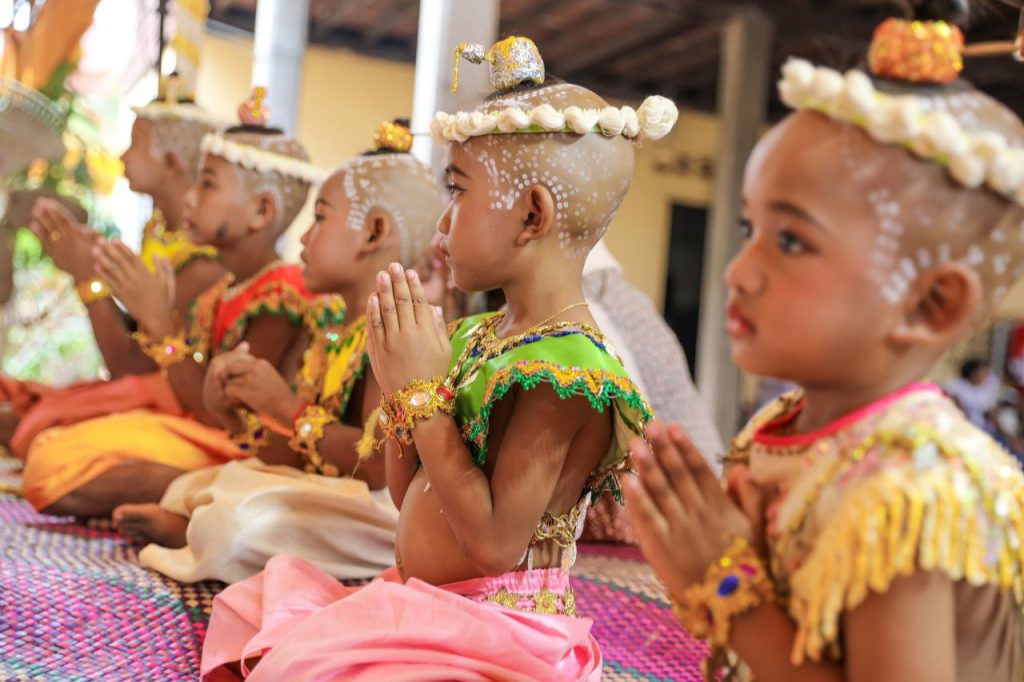
ទោះបីជាចរន្តនៃសម័យកាលមានការប្រែប្រួលយ៉ាងណាក្តី ប៉ុន្តែសម្រាប់អ្នកស្រុកអង្គរ នៅតែបន្តថែរក្សាទំនៀមទម្លាប់ពីដូនតា ដែលប្រៀបនឹងកាតព្វកិច្ចដ៏វិសេសវិសាលរបស់ខ្លួន។ កាលពីថ្ងៃព្រហស្បតិ៍ ៩រោច ខែផល្គុន ឆ្នាំម្សាញ់ សប្តស័ក ពុទ្ធសករាជ ២៥៦៩ (ត្រូវនឹងថ្ងៃទី១២ ខែមីនា ឆ្នាំ២០២៦) គ្រួសារមួយរស់នៅភូមិក្រសាំងរលើង សង្កាត់សៀមរាប (ខាងលិចប្រាសាទវត្តអាធ្វា) បានរៀបចំពិធីកោរជុកយ៉ាងពេញទម្រង់តាមបែបបុរាណ ដែលបង្កឱ្យមានការចាប់អារម្មណ៍យ៉ាងខ្លាំងពីមជ្ឈដ្ឋានទូទាំងប្រទេស។
នេះជាការបន្តវេនពីជំនាន់មួយទៅជំនាន់មួយ។ នៅក្នុងពិធីដ៏ឱឡារិកនេះ មានក្មេងប្រុសចំនួន៥នាក់ បានចូលរួមក្នុងកិច្ចពិធីកោរជុក ក្រោមការជ្រោមជ្រែងយ៉ាងយកចិត្តទុកដាក់ពីលោកយាយ ពៅ ថូ ចាស់ទុំក្នុងសហគមន៍ម្នាក់។ លោកយាយបានរៀបរាប់ទាំងក្តីរំភើបថា នេះជាប្រពៃណីដែលគ្រួសារលោកយាយអនុវត្តតៗគ្នាមកជាច្រើនជំនាន់។ លោកយាយផ្ទាល់ក៏ធ្លាប់បានកោរជុកកាលពីអាយុ១១ឆ្នាំដែរ។ «ទោះដឹងថាត្រូវចំណាយធនធានច្រើន ហើយក្មេងៗដែលទុកជុកអាចនឹងរងការបង្អាប់ ឬរើសអើងពីមិត្តភក្តិដែលមិនយល់ពីតម្លៃវប្បធម៌ក៏ដោយ ក៏ខ្ញុំនៅតែជម្នះធ្វើវា ព្រោះមិនចង់ឱ្យទំនៀមនេះបាត់បង់ត្រឹមជំនាន់ខ្ញុំឡើយ»។ នេះជាសម្តីរបស់លោកយាយ ពៅ ថូ។
កិច្ចពិធីបានប្រារព្ធតាមក្បួនខ្នាតបុរាណយ៉ាងត្រឹមត្រូវ។ លោកតា ម៉ក់ សារ៉ម ព្រឹទ្ធាចារ្យ និងជាអាចារ្យដឹកនាំកម្មវិធីក្នុងវ័យ៧៧ឆ្នាំ បានពន្យល់ថា ពិធីកោរជុកត្រូវរៀបចំឡើងរយៈពេល២ថ្ងៃ ១យប់ ដោយជ្រើសរើសយកថ្ងៃក្នុង «ខែពេញ» (ខែខ្នើត) ដែលជាពេលាមានសិរីសួស្តី៖ ថ្ងៃទី១ ជាការរៀបចំគ្រឿងសក្ការៈ បាយស្រី រានម៉ា និងនិមន្តព្រះសង្ឃចម្រើនព្រះបរិត្ត សែនដូនតា បង្វិលពពិល និងកិច្ចដេកអង្កររាប។ ថ្ងៃទី២ បានចាប់ផ្តើមតាំងពីម៉ោង៤ព្រឹក មានកិច្ចសារអង្កររាប ធ្វើធ្មេញបំពេញលក្ខណ៍ សំពះព្រះអាទិត្យ និងឈានដល់កិច្ចកោរសក់ និងស្រោចទឹកមន្តដំឡើងសិរីសួស្តី។
កិច្ចពិធីដ៏មានអត្ថន័យទាក់ទងនឹង «ការឆ្លងវ័យ» នៅក្នុងប្រពៃណីវប្បធម៌ខ្មែរ។ តាមការបកស្រាយរបស់ លោក តូច សុភះ បុរាណវិទូ និងអ្នកស្រាវជ្រាវវប្បធម៌អរូបីនៃអាជ្ញាធរជាតិអប្សរា ពិធីកោរជុកមិនមែនគ្រាន់តែជាការកាត់សក់នោះទេ ប៉ុន្តែវាគឺជា «ពិធីឆ្លងវ័យ» (Rites of Passage) ដែលបញ្ជាក់ពីការផ្លាស់ប្តូរជីវិតពីកុមារភាព ឈានចូលដល់វ័យយុវជនពេញលក្ខណៈ។ លោកបានបន្ថែមថា ក្រៅពីអ្នកស្រុកអង្គរ ទំនៀមនេះក៏មានអនុវត្តនៅខេត្តភាគខាងជើង និងខាងលិច ដូចជាឧត្តរមានជ័យ និងបន្ទាយមានជ័យដែរ។ ចំពោះគ្រួសារដែលខ្វះខាតធនធាន ពួកគេអាចយកកូនចៅមកផ្ញើធ្វើពិធីរួមជាមួយគ្រួសារដែលមានលទ្ធភាព (ក្នុងចំនួនសេស) ឬនាំកូនទៅកាត់កំប៉ោយនៅប្រាសាទអង្គរវត្ត (លើកំពូលបាកាន្ត) ដែលតំណាងឱ្យភ្នំកៃលាស ក្រោមសក្ខីភាពពីព្រះសង្ឃ និងទេវតា។
បច្ចុប្បន្ន ពិធីកោរជុក បានក្លាយជាពិធីដ៏កម្រមួយនៅក្នុងប្រទេស។ ប៉ុន្តែសហគមន៍នៅតែបន្តរៀបចំខ្លះៗជានិច្ច។ ការស្ម័គ្រចិត្តរក្សាសក់ជុករបស់ក្មេងៗ និងការលះបង់ធនធានរបស់ចាស់ទុំក្នុងភូមិក្រសាំងរលើងនៅពេលនេះ គឺជាសញ្ញាណវិជ្ជមានមួយបង្ហាញថា ស្មារតីស្រឡាញ់វប្បធម៌ដូនតានៅតែស្ថិតក្នុងដូងចិត្តអ្នកស្រុកអង្គរជាប្រចាំ ទោះជាស្ថិតក្នុងយុគសម័យទំនើបកម្មក៏ដោយ៕
អត្ថបទ៖ យី សុថា
រូបភាព៖ ស៊ិន ប្រណី/ យី សុថា
Despite changing times, for Angkor residents, preserving ancestral traditions remains a special duty. On Thursday, March 12, 2026, a family in Krasang Roluang Village, Siem Reap Province (west of Wat Athvea) organized a full-scale Kor Chuk ceremony in the traditional style, drawing great attention from the local community.
This is a generational tradition. During the solemn ceremony, five boys participated in the Kor Chuk ritual under the careful guidance of Grandma Pov Tho, an elder in the community. She explained that the tradition has been practiced in her family for generations. She herself underwent the Kor Chuk ceremony when she was 11 years old.
“Even though I know it costs a lot of money and that children who keep the chuk may sometimes be teased or misunderstood by friends who do not understand its cultural value, I still continue the tradition because I do not want it to disappear in my generation,” Grandma Pov Tho said.
The ceremony was conducted according to ancient rules. Mr. Mak Saram, a 77-year-old senior priest and the ceremony leader, explained that the chuk-cutting ritual lasts two days and one night and is usually scheduled during the full moon, which is considered an auspicious time.
A meaningful ceremony related to “coming of age” in Khmer culture. According to Mr. Toch Sopheak, an archaeologist and researcher of intangible cultural heritage at the APSARA National Authority, the Kor Chuk ceremony is not merely a haircut but a rite of passage marking the transition from childhood to adulthood.
He added that, in addition to Angkor residents, this tradition is also practiced in northern and western provinces such as Oddar Meanchey and Banteay Meanchey. For families with limited resources, they may send their children to join the ceremony organized by other families (in odd-numbered groups), or take their children to have their hair cut at the upper level of Angkor Wat—the Bakan—which symbolizes Mount Kailash, under the witness of monks and deities.
Today, the Kor Chuk ceremony has become a rare event in Cambodia, yet some communities continue to organize it. The voluntary preservation of the children’s hair and the dedication of elders in Krasang Roluang Village are encouraging signs that the spirit of love for ancestral culture still lives in the hearts of Angkor residents, even in the modern era.
Article by: Yi Sotha
Photos by: Sin Broney / Yi Sotha
Translation by: Net Phirun