ពលរដ្ឋខ្មែរភាគច្រើនមិនទាន់បានស្គាល់ ឬធ្លាប់ឮព្រះនាម«ព្រះភៃសជ្យគុរុ» ឬ«ព្រះពុទ្ធគ្រូថ្នាំ» នៅឡើយទេ។ ក្នុងចំណោមអ្នកស្រាវជ្រាវ និងប្រជាជនមួយចំនួនដែលស្គាល់ព្រះអង្គ តែងមានជំនឿមុតមាំថា ព្រះអង្គគឺជាព្រះទេពសង្គ្រោះជីវិត និងជាអ្នកព្យាបាលរាល់ជំងឺតម្កាត់ទាំងឡាយរបស់មនុស្សលោក។ ក្នុងសម័យបុរាណ ការគោរពបូជាព្រះភៃសជ្យគុរុ ត្រូវបានផ្សព្វផ្សាយយ៉ាងទូលំទូលាយ ជាពិសេស ក្នុងរជ្ជកាលព្រះបាទជ័យវរ្ម័នទី៧។
យោងតាមសិលាចារឹកប្រាសាទតាព្រហ្មបានបញ្ជាក់ថា ក្នុងរជ្ជកាលព្រះបាទជ័យវរ្ម័នទី៧ ព្រះអង្គបានកសាងមន្ទីរពេទ្យ (អរោគ្យសាលា) ចំនួន ១០២កន្លែង ដែលសុទ្ធសឹងតែមានតម្កល់រូបព្រះបដិមាភៃសជ្យគុរុសម្រាប់គោរពបូជា។ «ភៃសជ្យគុរុ» ជាភាសាសំស្ក្រឹត មានន័យថា «ព្រះពុទ្ធជាគ្រូថ្នាំ» ឬ «ព្រះពុទ្ធជាអ្នកព្យាបាលជំងឺ» ដែលជាជំនឿដ៏សំខាន់នៅក្នុងព្រះពុទ្ធសាសនាមហាយាន។
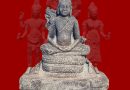
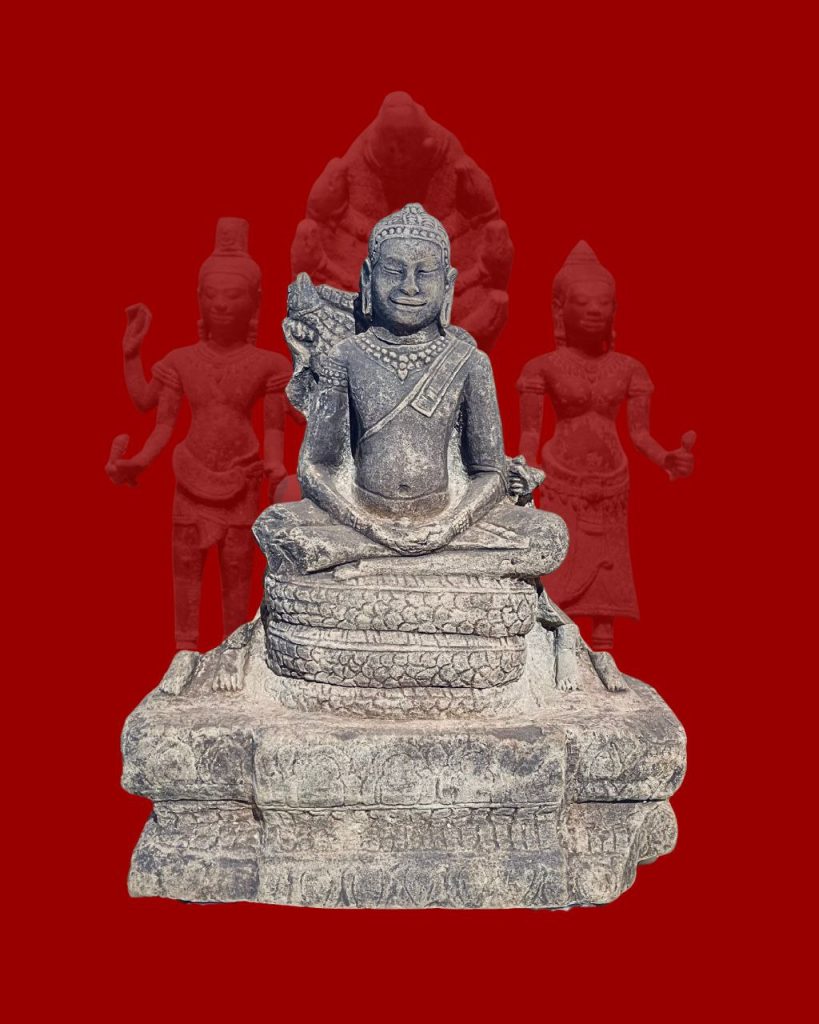
លោកស្រី ជន ចន្ទណារ័ត្ន មគ្គទ្ទេសក៍នៅសារមន្ទីរព្រះនរោត្តម សីហនុ-អង្គរ បានឱ្យដឹងថា ព្រះបដិមាភៃសជ្យគុរុ គឺជាទម្រង់នៃព្រះពុទ្ធដែលគង់ភ្នែនក្នុងកាយវិការសមាធិ ដោយមានទ្រវត្ថុស័ក្តិសិទ្ធិម្យ៉ាងនៅលើបាតព្រះហត្ថ។ ព្រះប្រដិមាខ្លះមានទ្រផ្លែឈើរាងមូលទ្រវែង ដែលគេជឿថា ជាផ្លែស្រម៉ និងខ្លះទៀតមានរាងជាដន្លាប់ ឬភាជន៍ ដែលអ្នកស្រាវជ្រាវមានការសន្និដ្ឋានខុសៗគ្នាទៅលើវត្ថុទាំងនោះ។
ក្នុងសិល្បៈខ្មែរ ព្រះភៃសជ្យគុរុត្រូវបានបង្ហាញតាម៣ទម្រង់សំខាន់ៗ៖
-ទម្រង់ទី១៖ ព្រះបដិមាព្រះពុទ្ធគង់ភ្នែនតែឯង (បដិមាទោល)។
-ទម្រង់ទី២៖ ព្រះបដិមាព្រះពុទ្ធគង់ភ្នែន អមដោយព្រះពោធិសត្វ២អង្គ គឺព្រះលោកេសូរនៅខាងស្តាំ និងព្រះនាងប្រាជ្ញាបារមីនៅខាងឆ្វេង។
-ទម្រង់ទី៣៖ ចម្លាក់ក្រឡោតខ្ពស់លើផ្ទាំងថ្ម បង្ហាញពីព្រះពុទ្ធគង់ភ្នែនលើបល្ល័ង្កនាគ ដោយមានព្រះលោកេសូរខាងស្តាំ និងព្រះនាងប្រាជ្ញាបារមីនៅខាងឆ្វេង។
កាលពីឆ្នាំ២០០១ អាជ្ញាធរជាតិអប្សរា សហការជាមួយសាកលវិទ្យាល័យសូហ្វីយ៉ា (Sophia University) នៃប្រទេសជប៉ុន បានធ្វើកំណាយស្រាវជ្រាវនៅបរិវេណប្រាសាទបន្ទាយក្តី និងបានរកឃើញបំណែកព្រះបដិមាចំនួន២៧៤បំណែក។ ក្នុងនោះមានបំណែកចម្លាក់ចំនួន២៤អង្គ ជាព្រះភៃសជ្យគុរុ។ ក្នុងចំណោមនោះ មានព្រះបដិមាមួយអង្គមានលក្ខណៈពិសេសលើសគេ ដោយមានចម្លាក់ព្រះលោកេសូរ និងព្រះនាងប្រាជ្ញាបារមីអមសងខាង ប៉ុន្តែគួរឱ្យស្តាយ ចម្លាក់អមសងខាងនោះ ត្រូវបានខូចខាតបាត់បង់រូបរាង។
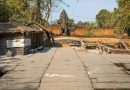
ដោយឡែក កាលពីខែសីហា ឆ្នាំ២០១៧ អាជ្ញាធរជាតិអប្សរា សហការជាមួយសាកលវិទ្យាល័យជាតិសិង្ហបុរី (NUS) ក៏បានធ្វើកំណាយនៅប្រាសាទទន្លេស្ងួត ដែលជាសំណង់មន្ទីរពេទ្យបុរាណក្នុងរជ្ជកាលព្រះបាទជ័យវរ្ម័នទី៧ និងបានរកឃើញព្រះបដិមាភៃសជ្យគុរុផងដែរ។
បច្ចុប្បន្ន ព្រះបដិមាភៃសជ្យគុរុទាំងនោះ ត្រូវបានថែរក្សា និងដាក់តាំងបង្ហាញយ៉ាងយកចិត្តទុកដាក់នៅសារមន្ទីរព្រះនរោត្តម សីហនុ-អង្គរ ដើម្បីឱ្យសាធារណជនបានទស្សនា និងសិក្សាស្វែងយល់៕
អត្ថបទ៖ ឆាយ ផាន់នី
រូបភាព៖ ស៊ិន ប្រណី,សារមន្ទីរព្រះនរោត្តមសីហនុ-អង្គរ
Most Cambodians have not yet heard of the name “Bhaiṣajyaguru,” also known as the Medicine Buddha. However, among researchers and those familiar with Buddhist studies, he is strongly believed to be a life-saving deity and a healer of human diseases. In ancient times, the worship of Bhaiṣajyaguru was widespread, particularly during the reign of Jayavarman VII.
According to inscriptions at Ta Prohm, King Jayavarman VII built 102 hospitals throughout his kingdom. Each of these hospitals housed a statue of Bhaiṣajyaguru for worship. The name “Bhaiṣajyaguru” originates from Sanskrit and means “Medicine Buddha” or “Master of Healing,” reflecting an important belief in Mahayana Buddhism that emphasizes compassion and the relief of suffering.
Ms. Channarath, a guide at the Preah Norodom Sihanouk-Angkor Museum, explained that Bhaiṣajyaguru is depicted as the Buddha seated in meditation, holding a sacred object in the palm of his hand. In some statues, this object appears as a long, round fruit—believed by some scholars to represent a pomegranate—while in others it resembles a bowl or vessel. Researchers have offered differing interpretations regarding its exact symbolism.
In Khmer art, Bhaiṣajyaguru is portrayed in three principal forms. The first is a solitary seated Buddha statue. The second form shows the Buddha seated and accompanied by two bodhisattvas: Avalokiteśvara on the right and Prajnaparamita on the left. The third form appears as a high relief carving on a stone slab, depicting the Buddha seated on a Naga throne, again flanked by Avalokiteśvara and Prajnaparamita.
In 2001, the APSARA National Authority, in collaboration with Sophia University, excavated the grounds of Banteay Kdei and discovered 274 statue fragments. Among these were 24 statues identified as Bhaiṣajyaguru. One particularly remarkable piece depicts Bhaiṣajyaguru accompanied by Avalokiteśvara and Prajnaparamita; however, the side sculptures have been severely damaged and have lost much of their original form.
In August 2017, the APSARA National Authority, in collaboration with the National University of Singapore, conducted further excavations at Tonle Snguot Temple—an ancient hospital structure dating to the reign of Jayavarman VII—where another statue of Bhaiṣajyaguru was uncovered.
Today, these Bhaiṣajyaguru statues are carefully preserved and displayed at the Preah Norodom Sihanouk-Angkor Museum, where they are accessible to the public for viewing and study.
Article by Chhay Phanny
Photos by Yi Sotha / Sin Broney
Translation by Net Phirun