បន្ទាប់ពីការជួសជុលរួចរាល់
បច្ចុប្បន្ននេះ ដំណើរការគម្រោងជួសជុលប្រាសាទមេបុណ្យខាងលិច ទ្រង់ទ្រាយធំក្រោមកិច្ចសហប្រតិបត្តិការស្មើភាពគ្នារវាងកម្ពុជា និងបារាំង បានបញ្ចប់ហើយ ក្រោយចំណាយរយៈពេលជួសជុលដ៏លំបាកអស់១៤ឆ្នាំ ដោយចំណាយទឹកប្រាក់ចំនួន១២លានដុល្លារ។
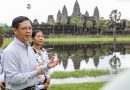
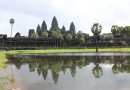
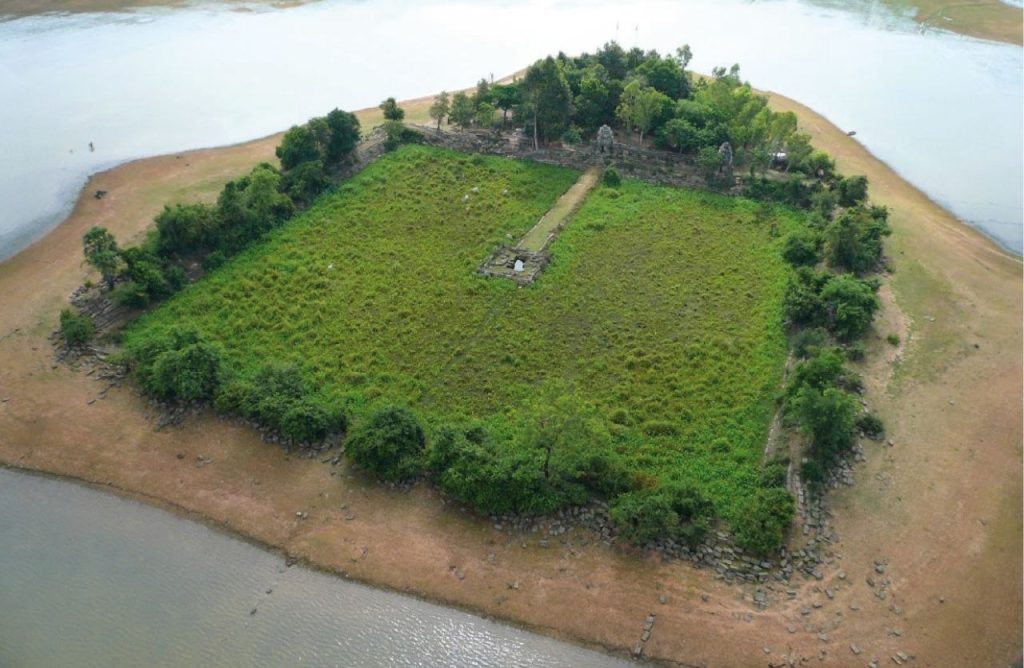
តួប្រាង្គចំនួន១៦ ព័ទ្ធជុំវិញដោយកំពែងប្រវែង១០០ម៉ែត្របួនជ្រុង និងរចនាសម្ព័ន្ធតួស្ពានហាលឆ្ពោះបល្ល័ង្គព្រះវិស្ណុផ្ទុំនៅកណ្ដាលប្រាសាទ ដែលធ្លាប់តែបែកបាក់ និងដួលរលំស្ទើរតែទាំងស្រុង បានឈរបង្ហាញខ្លួនយ៉ាងរឹងមាំឡើងវិញជាថ្មី នៅកណ្តាលមហាសាគរដ៏ធំល្វឹងល្វើយនៃបារាយណ៍ទឹកថ្លា ដែលជាអាងស្ដុកទឹកយ៉ាងសំខាន់មួយនៅសម័យអង្គរ។
អគ្គនាយកនៃអាជ្ញាធរជាតិអប្សរា ឯកឧត្តមបណ្ឌិត ហង់ ពៅ មានប្រសាសន៍ពោរពេញដោយក្តីជឿជាក់ថា តាមបច្ចេកទេសជួសជុលប្រាសាទមេបុណ្យខាងលិច ជាទ្រង់ទ្រាយធំ ក្រោមកិច្ចសហប្រតិបត្តិការរវាងកម្ពុជា-បារាំងពេលនេះ គឺកំពែង និងតួប្រាង្គរបស់ប្រាសាទអាចនឹងនៅឈររឹងមាំបង្ហាញភ្នែកទេសចរ និងទុកឱ្យកូនខ្មែរជំនាន់ក្រោយបានឃើញ គោរពបូជា យ៉ាងហោចណាស់ក៏៥០ ទៅ១៥០ឆ្នាំខាងមុខ និងលើសនេះ បើមានការថែទាំជាប្រចាំ។
ឯកឧត្តម ហង់ ពៅ បញ្ជាក់ទៀតថា រយៈពេល១៤ឆ្នាំមកនេះ ក្រុមការងារបារាំង-ខ្មែរ បានប្រឹងប្រែង និងតស៊ូជួសជុលប្រាសាទមេបុណ្យខាងលិចយ៉ាងលំបាក រួមមានការសិក្សារៀបចំឯកសារ ការស្វែងរកថ្មដែលបាត់មកដាក់បំពេញនៅតាមកន្លែងដើមវិញ ការដឹកជញ្ជូនសម្ភារគ្រឿងចក្រធំៗ និងថ្មភក់តាមទូកពីកន្លែងផ្សេងមកដាក់នៅការដ្ឋាន រួមទាំងការដឹកជញ្ជូន និងគ្រប់គ្រងកម្លាំងកម្មករជួសជុលជាដើម។ លើសពីនេះទៅទៀតអាជ្ញាធរជាតិអប្សរា ត្រូវការគ្រប់គ្រងទឹកនៅរដូវវស្សាជាចាំបាច់ ដើម្បីធានាឱ្យការដ្ឋានជួសជុលនោះ អាចដំណើរការទៅបានពេញលេញក្នុងមួយឆ្នាំ១២ខែ មិនឱ្យទឹកចូលមករំខានបាន និងធានាឱ្យបានការស្រោចស្រពស្រែជាង៧០០០ ហិកតា ព្រមទាំងផ្គត់ផ្គងក្នុងការផលិតទឹកស្អាតសម្រាប់ក្រុងសៀមរាប។
ប្រាសាទមេបុណ្យខាងលិច កសាងឡើងនៅអំឡុងពាក់កណ្តាលសតវត្សរ៍ទី១១នៃគ្រីស្តសករាជក្នុងរាជ្យព្រះបាទឧទយាទិត្យវរ្ម័នទី២ ទីតាំងស្ថិតនៅលើកោះចំកណ្តាលបារាយណ៍ទឹកថ្លា។ បច្ចុប្បន្ន ស្ថិតនៅភូមិបន្ទាយឈើ សង្កាត់ទឹកវិល ក្រុងសៀមរាប។ ភាពអស្ចារ្យ និងលេចធ្លោរបស់ប្រាសាទមេបុណ្យខាងលិច គឺមានរូបព្រះវិស្ណុផ្ទុំធ្វើពីសំរិទ្ធនៅចំកណ្ដាលស្រះនៃប្រាសាទ ដែលព័ទ្ធជុំវិញដោយកំពែង និងប្រាង្គចំនួន១៦។ ប្រាសាទមេបុណ្យខាងលិច ធ្លាប់បានជួសជុលម្ដងមកហើយ ដោយក្រុមអភិរក្សដ្ឋានបារាំងនៅក្នុងឆ្នាំ១៩៤០ ហើយនៅឆ្នាំ២០១២ បារាំងក៏បានសហប្រតិបត្តិការជាមួយកម្ពុជា លើគម្រោងជួសជុលម្ដងទៀត ជាទ្រង់ទ្រាយធំ និងទើបតែបានបញ្ចប់ជាស្ថាពរ។ ពិធីសម្ពោធបើកឱ្យចូលទស្សនាជាផ្លូវការ នៅប្រាសាទមេបុណ្យខាងលិច នាខែវិច្ឆិកា ឆ្នាំ២០២៦ ខាងមុខ។
ចំណែកឯកឧត្តម គឹម សុធិន អគ្គនាយករង នៃអាជ្ញាធរជាតិអប្សរា ទទួលបន្ទុកកិច្ចការអភិរក្ស និងជួសជុលប្រាសាទបុរាណនានា ឱ្យដឹងថា ការជួសជុលប្រាសាទមេបុណ្យខាងលិច រយៈពេល១៤ឆ្នាំមកនេះ គឺបានប្រើកម្លាំងកម្មករចំនួនប្រមាណជាង១០០នាក់ បំពេញកិច្ចការទៅតាមផ្នែកសំខាន់ៗ មានដូចជា ផ្នែកចម្លាក់ក្បាច់ ផ្នែកដាប់ថ្ម ផ្នែកកាត់ថ្ម ផ្នែករៀបចំផ្គុំថ្ម ផ្នែកដឹកជញ្ជូនថ្ម ឬសម្ភារៈផ្សេងៗ។ ចុងក្រោយក្រុមការងារផ្នែករៀបចំសោភ័ណភាពបរិស្ថាន និងរៀបចំផ្លូវដើរសម្រាប់ភ្ញៀវទេសចរទស្សនាជាដើម។ ឯកឧត្តម គឹម សុធិន បានបង្ហាញមោទនភាពយ៉ាងខ្លាំង នៅពេលឃើញប្រាសាទមេបុណ្យខាងលិច ដែលធ្លាប់តែបែកបាក់ បានបង្ហាញរូបរាងដ៏ស្រស់ស្អាតឡើងវិញ នៅកណ្ដាលផ្ទៃទឹកដ៏ធំល្វឹងល្វើយដូចនេះ៕
អត្ថបទ: យី សុថា
រូបភាព: រដ្ឋ ផល្លីន/ ស៊ិន ប្រណី និងក្រុមការងារជួសជុល
The large-scale restoration of West Mebon Temple, undertaken through Cambodian-French cooperation, has been completed after 14 years of painstaking work at a total cost of US$12 million.
The temple’s 16 towers, enclosed within a 100-meter-square perimeter wall, and the causeway leading to the pedestal of the reclining Vishnu statue, which had once suffered extensive deterioration and collapse, have now been restored to their former stability. The temple stands on an island amid the vast expanse of West Baray, an important reservoir dating from the Angkorian period.
H.E. Dr. Hang Peou, Director General of the APSARA National Authority, expressed confidence that the comprehensive technical restoration carried out through Cambodian-French cooperation would enable the temple’s walls and main structures to remain stable for at least another 50 to 150 years, or even longer, provided that regular maintenance is undertaken. This will allow visitors to appreciate the restored monument and ensure that future generations of Cambodians can continue to admire and pay tribute to this important cultural heritage.
H.E. Dr. Hang Peou further explained that, over the past 14 years, the joint Cambodian-French team has worked diligently to overcome numerous technical and logistical challenges. Their efforts included conducting research and preparing technical documentation, locating displaced stones and returning them to their original positions, transporting heavy machinery and sandstone blocks by boat to the island, and coordinating the workforce involved in the restoration.
He also emphasized the importance of water management during the rainy season. Effective management by the APSARA National Authority helps ensure that restoration activities can continue throughout the year without disruption from rising water levels. At the same time, it supports irrigation for more than 7,000 hectares of rice fields and contributes to the supply of clean water to Siem Reap city.
West Mebon Temple was constructed in the mid-11th century during the reign of King Udayadityavarman II. Located on an island in the center of West Baray, also known as Baray Teuk Thla, the temple is situated in Banteay Chheu village, Teuk Vil commune, Siem Reap city.
One of the temple’s most remarkable features is the bronze reclining statue of the Hindu god Vishnu, which was originally positioned in the center of the temple’s pool. The temple complex is surrounded by enclosure walls and features 16 towers. West Mebon was previously restored by a French conservation team in 1940. In 2012, France and Cambodia launched a comprehensive restoration project to safeguard the monument, which has now been completed. The official inauguration ceremony, marking the opening of the restored temple to visitors, is scheduled for November 2026.
H.E. Kim Sothin, Deputy Director General of the APSARA National Authority responsible for the conservation and restoration of ancient temples, stated that more than 100 people participated in the 14-year restoration project. Their specialized work included restoring intricate carvings, dressing and cutting stones, reassembling stone blocks, and transporting stones and other construction materials to the site. A dedicated team also worked on landscaping and developing walkways to facilitate visitor access.
H.E. Kim Sothin expressed his pride in witnessing West Mebon Temple, once severely damaged and largely in ruins, regain its architectural beauty and stability. Today, the restored temple stands majestically on an island surrounded by the expansive waters of West Baray, reflecting the successful collaboration between Cambodia and France in preserving the Kingdom’s invaluable cultural heritage.
Article by: Yi Sotha
Photos by: Rath Phallin, Sin Broney, and the restoration team
Translation by: Net Phirun