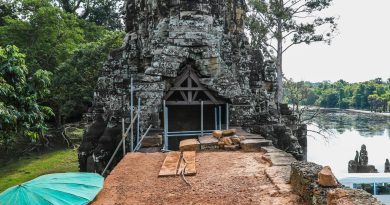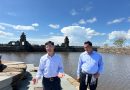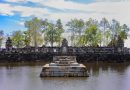
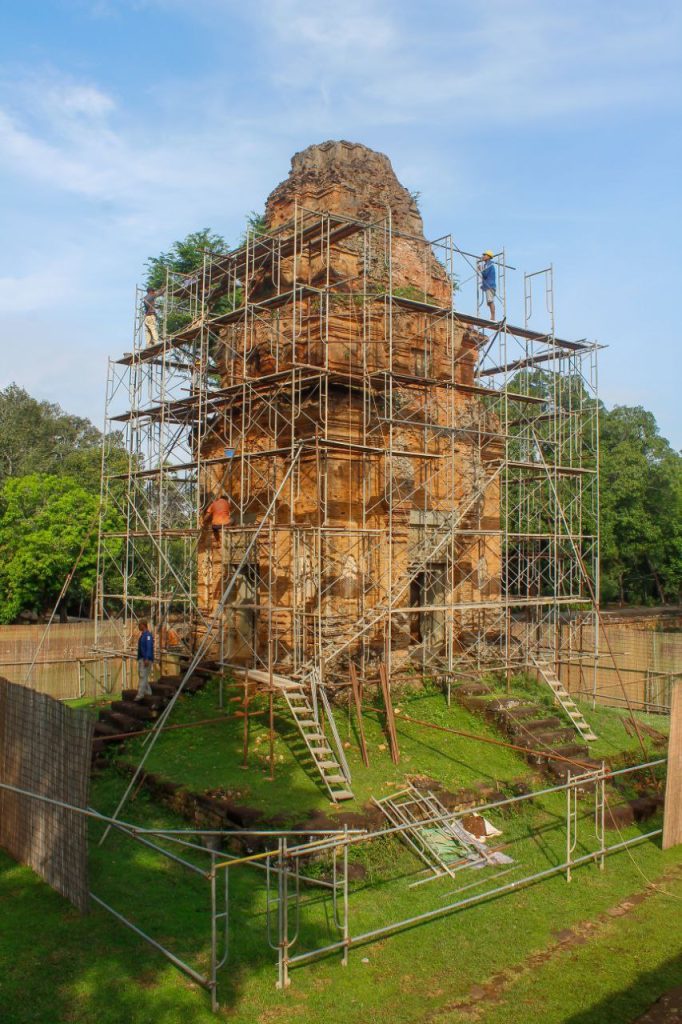
រយៈពេល៣០ឆ្នាំមកហើយ រាប់ចាប់ពីស្ថាប័នអាជ្ញាធរជាតិអប្សរាត្រូវបានបង្កើតឡើងនៅឆ្នាំ ១៩៩៥ ដែលធ្វើឱ្យចរន្តនៃការជួសជុល អភិរក្ស និងអភិវឌ្ឍន៍រមណីយដ្ឋានអង្គរ កាន់តែល្អប្រសើរ។ នៅតំបន់រលួស ដែលមានប្រាសាទលលៃ ប្រាសាទព្រះគោ និងក្រុមប្រាសាទបាគងជាដើម ក៏ទទួលបានការអភិរក្ស និងជួសជុលច្រើនផងដែរ។
លោក ហួន សុខជាតិ វិស្វករនៃអាជ្ញាធរជាតិអប្សរា ដែលកាន់ការងារអភិរក្ស និងជួសជុល តំបន់រលួសបានលើកឡើងថា ប៉ុន្មានឆ្នាំចុងក្រោយនេះ ក្រុមការងាររបស់លោកបានខិតខំប្រឹងប្រែង ដើម្បីចូលរួមជួយសង្រ្គោះប្រាសាទឥដ្ឋដែលមានហានិភ័យខ្លាំង ឱ្យងើបឈរ និងរឹងមាំឡើងវិញ។ លោក សុខជាតិ បន្ថែមថា ការងារជួសជុលប្រាសាទឥដ្ឋមានភាពលំបាកជាងការជួសជុលប្រាសាទថ្ម ហើយវាប្រឈមនឹងការបាត់បង់ ប្រសិនបើជួយសង្រ្គោះមិនទាន់ពេលវេលា។
ខុសពីប្រាសាទឥដ្ឋដែលធ្លាក់ថ្មរាយប៉ាយ ប៉ុន្តែគេនៅតែអាចរើសថ្មមួយដុំៗទាំងនោះមកផ្គុំ ជួសជុលឡើងវិញបានល្អ ចំណែកប្រាសាទឥដ្ឋវិញ ថ្មតូចមួយដុំៗដែលធ្វើដីឥដ្ឋនោះ វានឹងពុកផុយ ឬដួលបាក់បែកជាគំនរថ្ម ដែលការងារសង្រ្គោះវាមានភាពលំបាក។ ពេលខ្លះគេពិបាកនឹងសង្រ្គោះ នៅពេលដែលវាបានដួលរៀបដល់ដីហើយ។ លោក សុខជាតិ ពន្យល់ដូច្នេះថា៖« ចំពោះប្រាសាទឥដ្ឋនេះវាអត់អាចដូចប្រាសាទថ្មបានទេ ព្រោះវាកាន់តែខូចខាត កាន់តែបាត់បង់ពីមួយថ្ងៃទៅមួយថ្ងៃ ហើយប្រសិនយើងអត់ថែទាំ អភិរក្ស ទប់ស្កាត់ការបាត់បង់របស់វាទេ វានឹងបាត់បង់ជារៀងរហូត»។
ច្រើនឆ្នាំមកនេះ ក្នុងនាមអ្នកជំនាញការមួយរូប លោក សុខជាតិ បានបញ្ជាក់ថា ក្រុមការងារនៅតំបន់រលួស បានអភិរក្ស និងជួសជុលប្រាសាទមួយចំនួន ដូចជាប្រាសាទលលៃ ដែលបិទបញ្ចប់ហានិភ័យនៃតួប្រាង្គទាំងបួន។ ក្រៅពីនោះបានជួសជុលប្រាសាទតួប្រាង្គជ្រុងឦសាន និងខ្លោងទ្វារខាងកើត ប្រាសាទព្រះគោ។ នៅប្រាសាទបាគងវិញ ក្រុមការងារបានជួសជុលសម្រេចជួសជុលតួប្រាង្គលេខ៨ លេខ៧ និងលេខ៤ និងកំពុងជួសជុលប្រាង្គលេខ៥បន្តទៀត។
យ៉ាងណាមិញ វិស្វករគម្រោង លោក សុខជាតិ បញ្ជាក់ថា នៅមានប្រាសាទ ឬបុរាណដ្ឋានជាច្រើនទៀត ដែលត្រូវការអ្នកជំនាញរបស់អាជ្ញាធរជាតិអប្សរាអភិរក្ស និងជួសជុលបន្ត។
សម្រាប់អ្នកជំនាញ កិច្ចការងារអភិរក្សគឺតជាប់រហូតមិនដាច់ទេ។ ដ្បិតថា បញ្ហាប្រឈមរបស់ប្រាសាទ នៅមានជាដរាបដែលត្រូវការមនុស្សមើលថែរក្សា ដូចជាការងារសម្អាតរុក្ខជាតិជាដើម។ លោក សុខជាតិ បន្ថែមថា បញ្ហាសំណង់ខ្លួនឯងក៏ត្រូវការការអភិរក្សផងដែរ ព្រោះប្រាសាទនីមួយៗធ្វើពីគ្រឹះកម្រាល ហើយការសម្រុតមិនស្មើគ្នានេះ ដែលធ្វើឱ្យមានស្នាមប្រេះនៅលើជញ្ជាំងជាដើម។
លោកតា ស៊ឹម អឿម ចាស់ព្រឹទ្ធាចារ្យ និងជាអ្នកជួសជុលប្រាសាទឥដ្ឋជាង៣០ឆ្នាំមកហើយ បានបង្ហាញពីមោទកភាពជាខ្លាំង ក្នុងនាមអ្នកអង្គរមួយរូបដែលបានរួមចំណែកជួសជុលប្រាសាទ ឱ្យរឹងមាំឡើងវិញ។ លោកតារំឭកថា ធ្លាប់បានជួសជុលប្រាសាទឥដ្ឋមួយចំនួនដូចជា ប្រាសាទត្រពាំងផុង ព្រៃមន្ទីរ អកយំ បាតជុំ លលៃ និងប្រាសាទបាគងជាដើម។ល។
ធ្លាប់មានឪពុកជាអ្នកជួសជុលប្រាសាទនៅសម័យបារាំង លោក ស៊ឹម អឿម បានបង្ហាញអារម្មណ៍រីករាយ នៅពេលបានបន្តការងារពីឪពុក ក៏ដូចជាបានរួមចំណែកការពារមរតកវប្បធម៌ជាតិខ្មែរសម្រាប់កូនចៅ ជំនាន់ក្រោយ។ បន្ថែមពីនេះ បច្ចុប្បន្នលោកក៏កំពុងផ្ទេរចំណេះដឹងទៅកាន់អ្នកជំនាន់ក្រោយផងដែរ ដោយសង្ឃឹមថា ពួកគេនឹងបន្តការងារអភិរក្ស និងជួសជុលប្រាសាទឱ្យបានគង់វង្សជាដរាប៕
អត្ថបទ៖ នាង សំណាង
រូបភាព៖ ស៊ិន ប្រណី
For the past 30 years, since the establishment of the APSARA National Authority in 1995, the conservation, restoration, and development efforts at the Angkor site have steadily progressed. In the Roluos area—which includes Lolei, Preah Ko, and Bakong Temples—numerous structures have also benefited from dedicated preservation and restoration initiatives.
Mr. Huon Sokcheat, an engineer of the APSARA National Authority responsible for conservation and restoration in the Roluos area, stated that in recent years his team has worked tirelessly to save high-risk brick temples, helping them stand firm once again. He noted that restoring brick temples is more challenging than restoring stone temples, as brick structures face greater loss if interventions are not carried out promptly.
Unlike stone temples, where collapsed blocks can often be recovered and reassembled, brick temples deteriorate differently. The small stones and clay components that form the bricks gradually decay or disintegrate into fragments, making restoration more complex and sometimes impossible if the materials have completely collapsed. Mr. Sokcheat explained, “For brick temples, restoration cannot be treated the same as stone temples, because the damage progresses day by day. Without maintenance, conservation, and timely intervention, the structure will eventually be lost forever.”
Over the years, Mr. Sokcheat reported that the Roluos conservation team has successfully preserved and restored several temples. At Lolei Temple, the risks to all four towers have been fully eliminated. At Preah Ko Temple, the northeast tower and the east gate have been restored. At Bakong Temple, the team has completed restoration on towers No. 8, No. 7, and No. 4, and work is ongoing for Tower No. 5.
However, Mr. Sokcheat emphasized that many temples and ancient sites still require ongoing preservation and restoration by APSARA National Authority experts. Conservation work, he noted, is continuous, as temples face persistent challenges such as vegetation growth and structural vulnerabilities. These issues arise partly from the original construction methods, including foundation slabs that can cause uneven settling and cracks in the walls.
Mr. Sim Oeum, a brick-temple restorer with more than 30 years of experience, also expressed great pride in contributing to the strengthening and longevity of these ancient monuments. He recalled restoring numerous brick temples, including Trapeang Phong, Prei Monti, Ak Yum, Bat Chum, Lolei, and Bakong Temples. Following in the footsteps of his father, who was a restorer during the French era, Mr. Oeum said he is honored to continue the family legacy and to help safeguard Khmer cultural heritage for future generations. He is now actively passing on his knowledge to younger technicians, with the hope that they will continue the essential work of temple preservation.
Article by: Neang Samnang
Photos by: Sin Broney
Translation by: Net Phirun